
When can I eat solid food after tooth extraction is one of the most common recovery questions among patients in Los Angeles County, California. In most simple cases, soft solids begin at 48–72 hours, while full solid foods are typically safe after 7–10 days, depending on healing progress and surgical complexity.
What Happens Biologically After Extraction
Immediately after a tooth is removed:
- A blood clot forms inside the socket.
- Platelets initiate tissue repair.
- Inflammation peaks within 12–24 hours.
- The clot stabilizes and seals exposed bone and nerves.
If the clot dislodges, bone becomes exposed — leading to dry socket (alveolar osteitis).
In Los Angeles County’s dry climate, dehydration can increase clot instability. Adequate hydration is critical during the first 24 hours.
Why Solid Food Is Dangerous on Day One
Eating solid food during the first 24 hours can:
- Dislodge the clot through chewing pressure
- Introduce food particles into the socket
- Trigger bleeding
- Increase infection risk
- Causes intense nerve pain
Even “soft solids” like rice or bread can mechanically disturb healing tissue.
Clinical standard in California (2026):
Dentists recommend strictly avoiding chewing near the surgical site for the first 24 hours.
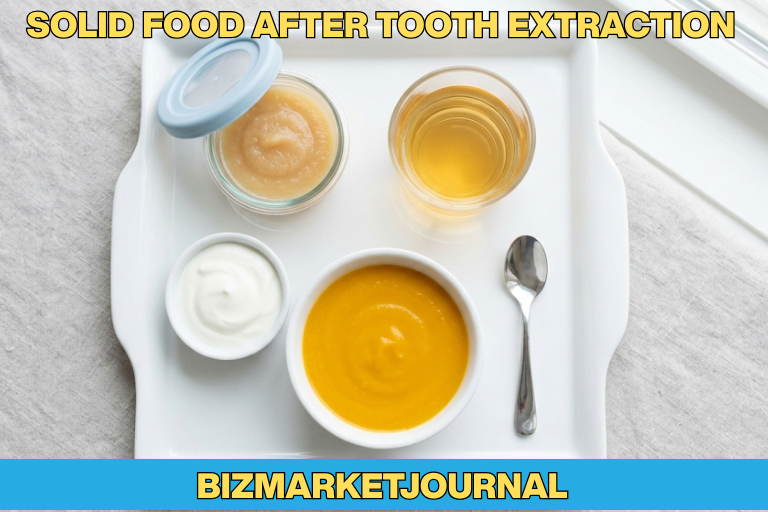
What You CAN Consume Safely (First 24 Hours)
Stick to:
- Cold or room-temperature water
- Electrolyte drinks (low sugar)
- Smooth yogurt (no seeds)
- Applesauce
- Blended soups (not hot)
- Protein shakes (no straw use)
Avoid:
- Straws (suction dislodges clot)
- Hot beverages
- Spicy foods
- Alcohol
- Carbonated drinks
Los Angeles Climate Considerations
Southern California’s lower humidity can:
- Increase dehydration risk
- Thicken saliva
- Slow clot stabilization
Residents in areas like coastal vs inland Los Angeles may experience mild variation in swelling due to temperature differences. Hydration and cold compress use are especially important in warmer months.
Key Takeaways
- Do not eat solid food in the first 24 hours.
- Protect the blood clot at all costs.
- Avoid suction, heat, and chewing.
- Hydrate consistently.
- Use ice therapy in 20-minute intervals.
Pros & Cons: Eating Too Early
Eating Solid Food Too Soon
Pros:
None clinically supported.
Cons:
- Dry socket risk increases 3–5x
- Healing time extends by several days
- Potential need for additional dental visits
- Increased pain medication usage
Red Flag Indicators in First 24 Hours
Contact a dental provider if you notice:
- Continuous bleeding beyond 8–10 hours
- Severe throbbing pain
- Visible bone in the socket
- Fever above 100.4°F
- Foul odor or taste
In summary:
If you’re asking when can i eat solid food after tooth extraction, the answer for Day 1 in Los Angeles County is clear — you cannot safely eat solid food within the first 24 hours. Healing stability must come first.
When Can I Eat Solid Food After Tooth Extraction? (Day-by-Day Breakdown)
Most patients in Los Angeles County can begin soft solid foods at 48–72 hours after a simple extraction. Full solid foods are typically safe 7–10 days post-procedure, depending on healing progress, surgical complexity, and systemic health. Chewing should resume gradually and away from the extraction site.
24–48 Hours
- Continue liquids and pureed foods.
- Swelling usually peaks during this window.
- The clot is stabilizing but still vulnerable.
- Avoid chewing near the surgical site.
Solid food is still not recommended.
48–72 Hours
This is the earliest stage when some patients ask:
When can I eat solid food after tooth extraction?
At this point:
- Soft solids may be introduced cautiously.
- Chew on the opposite side.
- Avoid crunchy, sticky, or spicy items.
Suitable options:
- Scrambled eggs
- Soft pasta
- Mashed potatoes
- Soft rice (carefully rinsed after)
If pain increases, revert to softer textures.
Day 3–5
- Tissue granulation begins forming inside the socket.
- Mild chewing may resume if pain is controlled.
- Sutures (if placed) may still be present.
You may gradually increase food firmness, but avoid:
- Nuts
- Chips
- Seeds
- Hard taco shells (common in Southern California diets)
- Tough meats
Day 7–10
For most uncomplicated extractions:
- Normal solid food becomes safe.
- The socket is significantly closed.
- Sensitivity may persist, but clot risk is minimal.
Patients recovering from standard molar removal in Los Angeles County typically return to a full diet within this timeframe.
After 2 Weeks
- Bone remodeling begins.
- Chewing function should feel nearly normal.
- Most dietary restrictions end unless advised otherwise.
If you are still unable to tolerate solid foods after 14 days, evaluation is recommended.
Differences: Simple vs Surgical Extraction
Simple Extraction
- No bone removal
- Minimal tissue trauma
- Solid food is possible around Day 5–7
Surgical Extraction (Impacted/Wisdom Tooth)
- Flap incision
- Bone removal possible
- Swelling lasts longer
- Solid food may require 7–14 days
Differences by Tooth Type
| Tooth Type | Trauma Level | Soft Solids | Full Solids |
|---|---|---|---|
| Front tooth | Low | 48 hours | 5–7 days |
| Premolar | Moderate | 48–72 hours | 7 days |
| Molar | Moderate–High | 72 hours | 7–10 days |
| Impacted wisdom tooth | High | 3–5 days | 10–14 days |
Food Progression & Risk Timeline
| Time After Extraction | Safe Food Texture | Avoid | Risk Level |
|---|---|---|---|
| 0–24 hrs | Liquids only | All solids | Very High |
| 24–48 hrs | Pureed foods | Chewy/crunchy | High |
| 48–72 hrs | Soft solids | Sticky/hard | Moderate |
| Day 3–5 | Soft chew foods | Sharp textures | Low–Moderate |
| Day 7–10 | Normal solids | Extremely hard foods | Low |
Key Takeaways
- When can I eat solid food after tooth extraction depends on the complexity.
- Soft solids begin around 48–72 hours for simple cases.
- Most patients resume full solids by 7–10 days.
- Surgical or impacted extractions extend timelines.
- Pain increase is a signal to slow progression.
Red Flag Indicators During Diet Progression
Seek dental review if you experience:
- Sudden sharp pain on chewing
- Bad taste or odor
- Persistent swelling after Day 5
- Increasing rather than decreasing discomfort
- Visible empty socket without clot

Factors That Change When You Can Eat Solid Food After Tooth Extraction
When can I eat solid food after tooth extraction is not identical for every patient in Los Angeles County. Healing time varies based on surgical complexity, systemic health, behavioral factors, and procedural advancements used in 2026. Some patients resume soft solids at 48 hours, while others require 7–14 days.
1. Complexity of the Extraction
Simple Extraction
- Tooth fully erupted
- Minimal gum trauma
- No bone removal
Typical solid food timeline: 5–7 days
Surgical Extraction
- Gum flap created
- Possible bone removal
- Sutures placed
Typical solid food timeline: 7–14 days
More tissue trauma = longer inflammatory phase = delayed chewing tolerance.
2. Sutures vs Open Socket
- Sutures present: Clot stability improves, but tissue swelling may delay chewing comfort.
- Open socket: Higher risk of food impaction; careful rinsing required.
Patients with sutures often tolerate soft solids earlier, but full solids still require caution.
3. Age
Healing efficiency declines slightly with age due to reduced vascular response.
- Under 30: Faster clot stabilization
- 30–50: Average recovery
- Over 60: Slightly prolonged healing phase
Bone density changes can influence chewing tolerance.
4. Diabetes & Systemic Conditions
Conditions that delay wound healing:
- Diabetes
- Autoimmune disorders
- Immunosuppressive medications
- Poor nutritional status
If blood glucose is uncontrolled, socket healing slows significantly. In such cases, when can I eat solid food after tooth extraction may extend beyond 10–14 days.
5. Smoking & Vaping
Nicotine causes:
- Vasoconstriction
- Reduced oxygen delivery
- Increased dry socket risk
Patients who smoke within 72 hours of extraction have a significantly higher complication rate. California tobacco regulations restrict public smoking, but private use still impacts recovery.
Clinical recommendation: Avoid smoking for at least 5–7 days post-extraction.
6. Advanced 2026 Procedures That Improve Healing
Modern Los Angeles oral surgery centers increasingly use:
Platelet-Rich Fibrin (PRF)
- Concentrated growth factors
- Faster clot stabilization
- Reduced inflammation
Laser-Assisted Extraction
- Reduced tissue trauma
- Lower bacterial load
- Faster epithelial closure
Patients treated with PRF may tolerate soft solids 24–48 hours earlier than traditional methods.
Dry Socket
Dry socket, or alveolar osteitis, occurs when the protective blood clot dislodges from the extraction site, exposing underlying bone and nerves. It causes severe pain, delayed healing, and often requires additional dental treatment. Eating solid food too early significantly increases this risk.
Healing Factors Comparison
| Factor | Faster Healing | Slower Healing | Recommended Solid Food Timeline |
|---|---|---|---|
| Extraction type | Simple | Surgical/Impacted | 5–7 days vs 7–14 days |
| Age | Under 30 | Over 60 | Shorter vs Longer |
| Smoking | Non-smoker | Active smoker | Standard vs Extended |
| Diabetes | Controlled | Uncontrolled | Standard vs Delayed |
| PRF Used | Yes | No | Earlier tolerance |
Risk Multiplier Factors
Healing slows significantly if multiple factors combine:
- Smoking + surgical extraction
- Diabetes + age over 60
- Poor oral hygiene + open socket
- Early chewing + dehydration (common in Southern California climate)
Each added risk factor can extend solid food reintroduction by 2–4 days.
Healing Acceleration Tips (Evidence-Based)
- Maintain hydration
- Use a cold compress for the first 24 hours
- Follow the prescribed antimicrobial rinse timing
- Sleep with your head elevated
- Avoid strenuous activity for 48 hours
- Maintain protein intake for tissue repair
Key Takeaways
- When can I eat solid food after tooth extraction depends on biological and behavioral variables.
- Surgical and impacted cases require longer waiting periods.
- Smoking significantly delays recovery.
- Advanced techniques like PRF can shorten healing time.
- Multiple risk factors compound delays.

What Happens If You Eat Solid Food Too Soon?
If you ignore guidance on when can I eat solid food after tooth extraction, the most common complication is clot disruption. This can lead to dry socket, infection, delayed healing, and additional treatment. The first 3–5 days carry the highest mechanical risk.
1. Blood Clot Dislodgement
The extraction socket depends on a stable fibrin clot to:
- Protect exposed bone
- Shield nerve endings
- Prevent bacterial invasion
- Initiate granulation tissue formation
Chewing firm food creates localized pressure gradients inside the socket. Even mild mechanical stress can dislodge a fragile clot during the first 72 hours.
Once dislodged, the healing process resets partially.
2. Dry Socket (Alveolar Osteitis)
Dry socket typically develops 2–4 days after extraction.
Clinical Presentation
- Severe throbbing pain radiating to the ear or jaw
- Visible bone inside the socket
- Foul taste or odor
- Minimal swelling but intense pain
This condition is not infection-driven initially; it is inflammatory and neuropathic due to exposed bone.
In Los Angeles County oral surgery practices, dry socket remains the most common post-extraction complication, particularly among smokers and surgical cases.
3. Infection Risk
Food debris trapped inside the socket can:
- Increase bacterial load
- Delay epithelial closure
- Cause localized abscess formation
Signs of infection include:
- Increasing swelling after Day 3
- Fever above 100.4°F
- Pus discharge
- Facial asymmetry
Unlike dry socket, infection often presents with systemic symptoms.
4. Additional Costs & Treatment Delays
Complications may require:
- Irrigation and medicated dressings
- Prescription pain management
- Additional follow-up visits
- Possible antibiotic therapy
In California, post-operative complication visits increase overall treatment expense and extend dietary restrictions by another 5–10 days.
Symptom Checklist: Seek Evaluation If You Experience
- Sharp, worsening pain after initial improvement
- Persistent bleeding beyond 24 hours
- Bad breath not resolved by gentle rinsing
- Swelling is increasing after Day 4
- Difficulty opening the mouth
Emergency Action Plan
If you suspect a complication:
- Stop chewing immediately.
- Rinse gently with warm salt water (after 24 hours only).
- Avoid probing the socket.
- Use prescribed analgesics only as directed.
- Contact your dental provider for assessment.
Pros & Cons: Early Solid Food Consumption
Perceived Pros
- Faster return to normal routine
- Increased caloric intake
- Psychological comfort
Clinical Cons
- 3–5x increased dry socket probability
- Delayed tissue regeneration
- Higher pain intensity
- Extended healing timeline
- Additional clinical visits
There is no clinical advantage to accelerating solid food reintroduction beyond tissue readiness.
Key Takeaways
- When can I eat solid food after tooth extraction should be guided by the healing stage, not appetite.
- The first 72 hours are the highest risk.
- Dry socket is the most common complication.
- Infection presents differently from clot loss.
- Early chewing frequently extends recovery time rather than shortening it.

Best Foods to Transition Back to a Solid Diet After Tooth Extraction
When can I eat solid food after tooth extraction depends on gradual texture progression. Patients in Los Angeles County should move from liquids to soft solids before resuming full chewing. Most simple extractions allow soft solids at 48–72 hours and full solids at 7–10 days, if healing progresses normally.
Phase 1: Liquid & Pureed (Day 0–2)
Goal: Protect the clot and minimize chewing.
Recommended:
- Protein shakes (no straw use)
- Greek yogurt (plain)
- Blended vegetable soups (lukewarm)
- Applesauce
- Smooth mashed banana
- Bone broth
Avoid:
- Hot liquids
- Citrus juices
- Carbonated drinks
- Seeds or grain particles
Hydration is especially important in Southern California’s drier climate, where fluid loss can slow early healing.
Phase 2: Soft Solids (Day 2–3)
This is typically when patients begin asking:
When can I eat solid food after tooth extraction safely?
At 48–72 hours, introduce minimal-chew options:
- Scrambled eggs
- Soft pasta
- Mashed potatoes
- Oatmeal (cooled)
- Cottage cheese
- Soft tofu
Chew on the opposite side of the extraction site.
Phase 3: Light Chew Foods (Day 4–7)
Once tenderness decreases:
- Soft rice bowls (avoid crunchy toppings)
- Steamed vegetables
- Soft fish
- Tender shredded chicken
- Soft tortillas (no crispy edges)
California Diet Modifications
Los Angeles dietary habits often include tacos, rice bowls, and salads. Modify by:
- Avoiding hard taco shells
- Skipping chips and salsa
- Removing seeds, nuts, and raw vegetables
- Choosing grilled over fried proteins
For patients interested in diverse meal ideas while recovering, you can explore local soft and easily chewable dishes inspired by Los Angeles flavors in our Adel’s Famous Halal Food Menu 2026 – Queens Guide article. This resource provides creative options to maintain nutrition without compromising post-extraction healing.
Phase 4: Full Solid Diet (Day 7–10+)
Most uncomplicated cases tolerate:
- Lean meats
- Bread
- Cooked vegetables
- Rice
- Pasta
- Sandwiches (avoid crusts initially)
Extremely hard foods should still be limited:
- Nuts
- Hard candy
- Ice
- Chips
- Tough steak
If discomfort increases, scale back one phase.
Most patients can eat soft solid foods 48–72 hours after tooth extraction and resume normal solid foods within 7–10 days. The timeline depends on healing progress, extraction complexity, and whether complications occur. Gradual texture progression reduces dry socket risk and supports faster tissue regeneration.
Safe Foods vs Foods to Avoid
| Safe During Recovery | Avoid Until Fully Healed |
|---|---|
| Yogurt | Nuts |
| Scrambled eggs | Chips |
| Soft pasta | Hard taco shells |
| Mashed potatoes | Sticky candy |
| Steamed fish | Tough meats |
| Cottage cheese | Seeds & popcorn |
Key Takeaways
- When can I eat solid food after tooth extraction depends on the staged progression.
- Soft solids usually begin at 48–72 hours.
- Full solids resume at 7–10 days for simple cases.
- Hard, crunchy, and sticky foods pose the highest risk.
- Modify common California foods to reduce mechanical stress.
Pros & Cons of Gradual Food Transition
Pros
- Protects clot integrity
- Reduces dry socket probability
- Minimizes pain spikes
- Supports steady healing
Cons
- Temporary dietary restriction
- Possible calorie reduction if poorly planned
Proper nutrition accelerates collagen formation and epithelial closure, making structured progression medically advantageous.
Wisdom Tooth Extraction vs Standard Tooth Removal – Does It Change the Timeline?
When can I eat solid food after tooth extraction varies significantly between standard tooth removal and wisdom tooth surgery. Impacted wisdom teeth typically require a longer healing period due to bone removal, flap incisions, and increased inflammation. Most simple extractions allow solid food by Day 7, while impacted wisdom teeth may require 10–14 days.
Surgical Differences That Affect Healing
Standard (Simple) Extraction
- Tooth fully erupted
- No bone removal
- Minimal soft tissue trauma
- Shorter inflammatory phase
Solid food timeline:
Soft solids: 48–72 hours
Full solids: 5–7 days
Wisdom Tooth Extraction (Third Molars)
Wisdom teeth, especially impacted ones, often require:
- Surgical flap creation
- Bone removal
- Tooth sectioning
- Sutures placement
- Greater post-operative swelling
These factors prolong tissue repair and delay chewing tolerance.
Solid food timeline:
Soft solids: 3–5 days
Full solids: 10–14 days
Impacted vs Erupted Wisdom Teeth
| Type | Trauma Level | Swelling Duration | Full Solid Food |
|---|---|---|---|
| Erupted wisdom tooth | Moderate | 3–5 days | 7–10 days |
| Partially impacted | High | 5–7 days | 10–14 days |
| Fully impacted | Very High | 7+ days | 14 days |
Bone involvement directly increases inflammatory response and clot vulnerability.
Why Wisdom Teeth Require Longer Dietary Restriction
- Larger wound surface area
- Increased risk of dry socket
- Greater chewing pressure in the posterior jaw
- More difficulty maintaining hygiene in the back molar region
Posterior molar regions experience higher occlusal forces. Early solid food intake in these areas creates greater clot disruption risk compared to front teeth.
Academic & Clinical Standards in Los Angeles County
Post-operative protocols followed by institutions such as the
UCLA School of Dentistry and the
USC Herman Ostrow School of Dentistry
Emphasize staged dietary reintroduction after third molar surgery.
Guidelines supported by the
California Dental Association
Recommend conservative chewing progression to prevent alveolar osteitis.
Local public health advisories from the
Los Angeles County Department of Public Health
Also emphasize post-surgical wound protection, particularly for high-risk populations.
Pros & Cons: Wisdom Tooth Recovery
Advantages of Waiting Longer
- Lower dry socket probability
- Reduced infection risk
- More stable clot formation
- Improved tissue remodeling
Risks of Accelerating Solid Food
- Posterior clot dislodgement
- Jaw muscle inflammation
- Delayed socket closure
- Increased follow-up visits
Key Takeaways
- When can I eat solid food after tooth extraction depends heavily on whether the procedure involved wisdom teeth.
- Simple extractions allow faster return to solids.
- Impacted wisdom teeth often require up to 14 days before normal chewing.
- Posterior chewing forces significantly increase clot risk.
- Conservative progression reduces complications.
Dentist-Approved Recovery Tips for Los Angeles County Residents (2026 Standards)
When can I eat solid food after tooth extraction is directly influenced by how well you follow post-operative care instructions. Evidence-based recovery protocols used across Los Angeles County in 2026 focus on clot protection, inflammation control, hydration, and gradual chewing reintroduction.
1. First 24 Hours: Clot Protection Protocol
- Bite on gauze as directed (typically 30–60 minute intervals).
- Do not rinse, spit forcefully, or use a straw.
- Avoid hot foods and beverages.
- Limit talking and jaw movement.
- Apply a cold compress in 20-minute intervals.
These measures stabilize the fibrin clot and reduce swelling.
2. Ice Therapy Standard (Inflammation Control)
Inflammation peaks within 24–48 hours.
Protocol commonly used in Los Angeles oral surgery practices:
- 20 minutes on
- 20 minutes off
- Repeat for the first 24 hours
Cold therapy reduces vasodilation and limits edema formation.
3. Oral Rinsing Timeline
- No rinsing for the first 24 hours.
- After 24 hours: gentle warm salt water rinses 2–3 times daily.
- Avoid aggressive swishing.
Salt solution concentration: approximately ½ teaspoon salt in 8 oz of warm water.
This reduces bacterial load without disturbing the clot.
4. Brushing & Oral Hygiene
- Resume gentle brushing the next day.
- Avoid the extraction site for 3–5 days.
- Use a soft-bristle brush only.
- If prescribed, use the antimicrobial rinse as directed.
Maintaining hygiene lowers infection risk and shortens the timeline for when can i eat solid food after tooth extraction.
5. Activity & Work Return
- Avoid strenuous activity for 48 hours.
- An elevated heart rate can restart bleeding.
- Most non-physical workers resume work in 1–2 days.
- Heavy labor may require 3–5 days.
In Los Angeles County, patients in physically demanding industries may need extended rest after surgical extractions.
6. Hydration & Southern California Climate Considerations
Lower humidity levels in Southern California can:
- Increase dehydration risk
- Thicken oral secretions
- Slow tissue regeneration
Recommendation:
- Minimum 2–3 liters of water daily (unless medically restricted)
- Avoid alcohol for at least 72 hours
7. Teledentistry Follow-Ups (2026 Trend)
Many Los Angeles County providers now offer:
- Virtual post-op checks
- AI-guided symptom monitoring
- Photo-based clot assessment
This reduces unnecessary clinic visits while maintaining complication surveillance.
7-Step Recovery Checklist
- Protect the clot for 72 hours.
- Follow the staged food progression.
- Avoid nicotine for 5–7 days.
- Maintain hydration.
- Use a cold compress appropriately.
- Resume hygiene gently.
- Monitor for pain spikes after Day 3.
Do / Don’t Quick Module
Do
- Chew on the opposite side
- Eat protein-rich soft foods
- Sleep with your head elevated
- Attend follow-up if advised
Don’t
- Eat crunchy or sticky foods early
- Use straws
- Smoke or vape
- Ignore worsening pain
Key Takeaways
- When can I eat solid food after tooth extraction depends heavily on compliance with post-operative instructions.
- The first 72 hours are critical for clot stability.
- Hydration matters more in Southern California’s climate.
- Nicotine significantly delays recovery.
- Structured care reduces complication probability.
Conclusion
When can I eat solid food after tooth extraction depends on procedural complexity, biological healing response, and adherence to post-operative care. In Los Angeles County, most simple extractions allow soft solids at 48–72 hours and full solids within 7–10 days. Surgical or impacted wisdom teeth often require 10–14 days before unrestricted chewing.
The first 72 hours are critical for clot stability. Gradual texture progression, nicotine avoidance, hydration, and inflammation control significantly reduce complication risk. Conservative dietary advancement remains the safest evidence-based approach in 2026.
Frequently Asked Questions
1. When can I eat solid food after tooth extraction without risking dry socket?
Most patients can introduce soft solids at 48–72 hours after a simple extraction. Fully solid foods are typically safe after 7–10 days. Surgical or impacted wisdom teeth may require 10–14 days before normal chewing.
2. Can I eat rice 3 days after tooth extraction?
Yes, soft rice may be introduced around Day 3 if healing is progressing normally. Rinse gently afterward to prevent food particles from lodging in the socket. Avoid hard or crusted grains.
3. How do I know if the blood clot has dislodged?
Signs of clot loss (dry socket) include severe throbbing pain 2–4 days after extraction, visible bone inside the socket, foul odor, and pain radiating toward the ear or jaw.
4. Does wisdom tooth removal change when I can eat solid food?
Yes. Impacted wisdom tooth surgery involves greater tissue trauma and bone removal. Soft solids may begin at 3–5 days, while full solids are often delayed until 10–14 days.
5. What foods should I absolutely avoid after tooth extraction?
Avoid:
- Nuts
- Chips
- Seeds
- Sticky candy
- Hard taco shells
- Tough meats
- Carbonated beverages (first 72 hours)
These increase the risk of clot disruption.
6. Can smoking delay when i can eat solid food after tooth extraction?
Yes. Nicotine constricts blood vessels, reduces oxygen delivery, and increases dry socket risk. Smoking within the first 72 hours significantly delays healing and may extend dietary restrictions.
7. When should I contact a dentist in Los Angeles County after an extraction?
Seek evaluation if you experience:
- Severe pain after Day 3
- Fever above 100.4°F
- Persistent bleeding beyond 24 hours
- Swelling that worsens after initial improvement
- Visible bone in the socket
Institutions such as the California Dental Association and the Los Angeles County Department of Public Health recommend prompt evaluation of worsening post-operative symptoms.
References
- California Dental Association – Post-extraction care protocols
- Los Angeles County Department of Public Health – Oral health and wound care guidance
- UCLA School of Dentistry – Oral Surgery Recovery Standards
- USC Herman Ostrow School of Dentistry – Third molar surgical care recommendations
- American Association of Oral and Maxillofacial Surgeons (AAOMS) – Evidence-based extraction recovery guidelines
- Peer-reviewed literature on alveolar osteitis and PRF-assisted healing (2022–2025 clinical studies)