
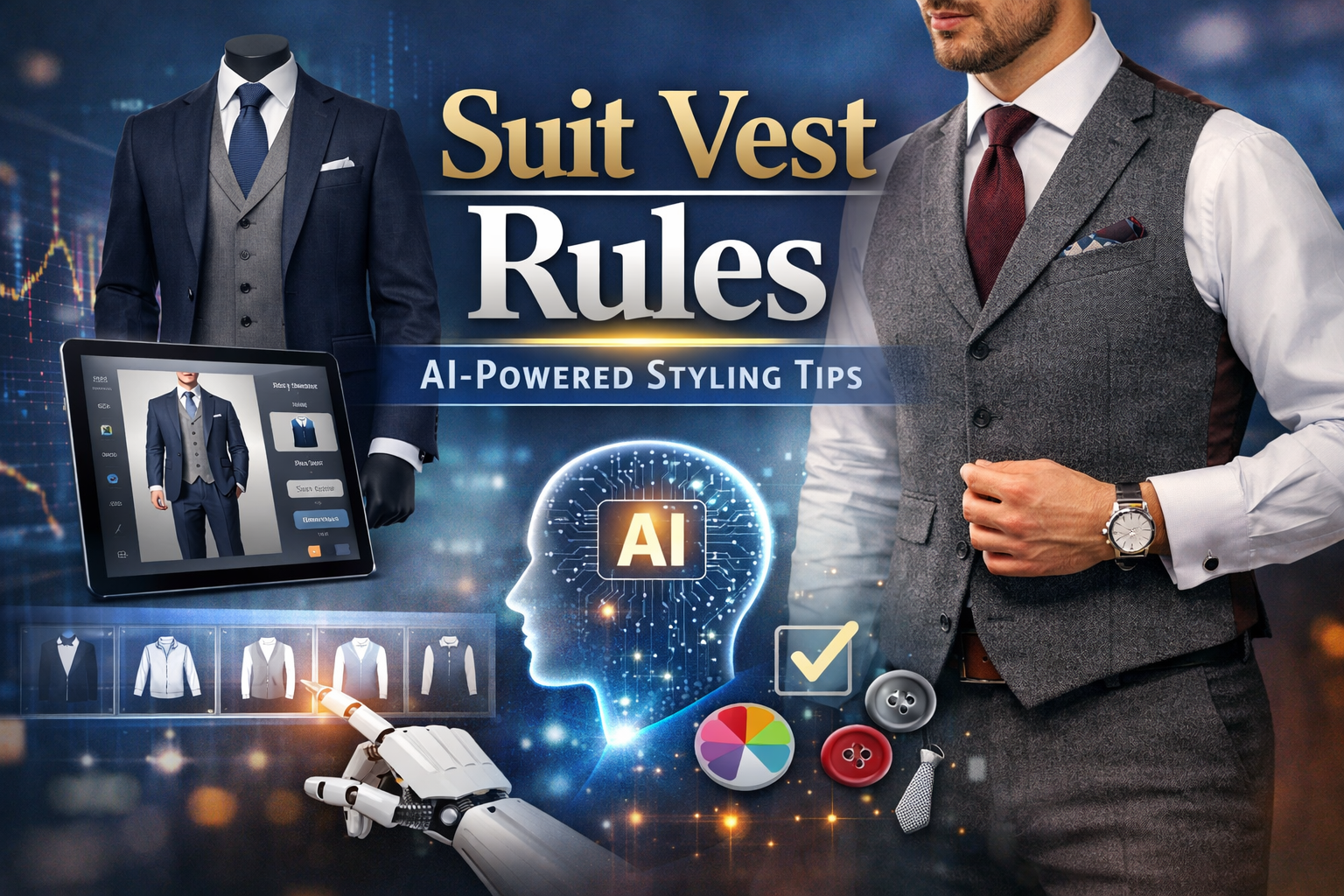
The suit vest rules are essential guidelines for wearing a vest properly with a suit, ensuring a polished and professional appearance. A suit vest, also known as a waistcoat, is a sleeveless garment worn over a dress shirt and under a suit jacket. Following the suit vest rules helps maintain a tailored silhouette, adds an extra layer of formality, and provides an opportunity to incorporate accessories like pocket watches or chains. Properly applied, these rules allow both traditional and modern looks to remain sharp and stylish.
Historically, suit vest rules originated with the waistcoat in the 17th century, introduced by King Charles II as part of aristocratic attire. By the 19th century, the waistcoat became a core element of the three-piece suit, cementing its role in formal and business wear. Over time, the suit vest evolved to include modern cuts, slim-fit designs, and casual styling options. Today, suit vest rules blend classic tailoring etiquette with contemporary trends, often supported by AI-powered styling recommendations to create precise outfit combinations.
Following the suit vest rules involves attention to fit, proportion, and coordination with the rest of your suit. A vest should fit snugly across the shoulders and torso without pulling, and its length should cover the waistband of the trousers. Choosing the right fabric, color, and cut ensures your vest aligns with the suit jacket and dress code, whether formal, semi-formal, or business casual. Ignoring these suit vest rules can compromise your overall look, while following them guarantees a refined and cohesive appearance.
Key Takeaways:
- Suit vest rules ensure proper fit, proportion, and style
- Historical context informs modern vest etiquette
- Correct application enhances both formal and contemporary outfits
Buttoning Rules for Suit Vests
Suit vest rules for buttoning state that single-breasted vests should have the top and middle buttons fastened, leaving the bottom open. Double-breasted vests typically have all buttons fastened. Proper buttoning ensures a polished silhouette, prevents fabric pulling, and adheres to formal styling standards.”
Following proper suit vest rules for buttoning is one of the most important aspects of wearing a vest correctly. The right buttoning technique ensures a polished, professional look and maintains the balance of your suit. Buttoning rules vary depending on the vest style—single-breasted or double-breasted—but the goal is always comfort, proportion, and adherence to formal etiquette.
Single-Breasted Vest Buttoning Rules
For single-breasted vests, the classic suit vest rules dictate that the top and middle buttons should be fastened while the bottom button remains undone. This allows for natural movement, prevents fabric pulling, and creates a flattering silhouette. Modern styling sometimes permits leaving all buttons fastened for slim-fit vests, but traditional etiquette favors leaving the bottom open.
Double-Breasted Vest Buttoning Rules
Double-breasted vests follow slightly stricter suit vest rules. All buttons are generally fastened to maintain the structured look, though contemporary styles may leave the bottom button open in casual or fashion-forward contexts. Proper alignment of the buttons ensures the vest sits smoothly under the jacket and maintains the symmetry of the outfit.
Common Buttoning Mistakes to Avoid
- Fastening the bottom button on a single-breasted vest – disrupts silhouette and is considered a breach of suit vest rules.
- Leaving too many buttons undone – makes the outfit appear sloppy.
- Incorrect alignment of buttons – can cause fabric pulling and misfit under the jacket.
Summary
- Single-breasted: Fasten top & middle, bottom open
- Double-breasted: Typically all buttons fastened
- Avoid pulling, misalignment, and breaking traditional rules
Takeaways:
- Correct buttoning is a core element of suit vest rules
- Single vs double-breasted styles have distinct etiquette
- Modern variations exist but respect traditional principles for formal settings
Choosing the Right Vest
Selecting the proper vest is a key step in following suit vest rules. The right vest complements your suit, aligns with dress code standards, and enhances overall appearance. Factors such as fabric, fit, cut, and color all play a role in creating a cohesive and stylish outfit. Understanding these elements ensures that your vest is not only functional but also fashionable.
Following modern fashion trends ensures your vest style balances classic rules with contemporary aesthetics.
Fabric, Fit, and Cut
According to suit vest rules, the vest should match the fabric of the suit jacket for formal occasions. Wool, cashmere, and high-quality blends are preferred for business and black-tie events, while cotton or linen vests are acceptable for casual or summer ensembles. The fit should be snug but comfortable across the chest and waist, with shoulder seams aligning with your natural shoulder line. The cut of the vest—classic, slim, or modern—determines its versatility and appropriateness for different settings.
Color and Pattern Coordination
Suit vest rules emphasize coordination with the suit jacket and trousers. Solid, neutral colors such as black, navy, or charcoal are standard for formal events, while patterned or textured vests may be used to add personality in semi-formal or business casual outfits. Avoid clashing patterns between the vest, jacket, and tie. AI-powered styling tools often recommend complementary colors based on outfit context, making it easier to follow suit vest rules with confidence.
Seasonal Considerations
Seasonal adjustments are part of suit vest rules. Lighter fabrics and breathable materials are ideal for spring and summer, while thicker fabrics like wool are preferred in fall and winter. Additionally, layering options should respect both comfort and style: a heavier vest may require a looser jacket, whereas a slim-fit vest works well under tailored jackets for formal winter attire.
Summary
- Match vest fabric with suit jacket
- Ensure snug, comfortable fit and aligned shoulders
- Coordinate colors and patterns for formal or semi-formal occasions
- Adjust fabric choice for seasonal appropriateness
Key Takeaways:
- Following suit vest rules ensures balance between formality and comfort
- Fabric, fit, cut, and color are critical for proper vest selection
- Seasonal fabrics and layering maintain style and practicality
Styling Suit Vests with Accessories
Following suit vest rules extends beyond fit and buttoning; accessorizing properly is essential for a polished and cohesive look. Accessories such as ties, pocket squares, watches, belts, and shoes can elevate a vest outfit, provided they complement the suit and adhere to formal or semi-formal guidelines. Correct styling ensures that your vest remains the centerpiece of a balanced ensemble.
Ties, Pocket Squares, and Watches
According to suit vest rules, the tie should harmonize with the vest and jacket in color and pattern. A solid tie works well with patterned vests, while subtle patterns can add visual interest to solid vests. Pocket squares are optional but recommended for formal settings; their color should coordinate with the tie without matching exactly. Watches, especially classic analog styles, add a sophisticated touch, reinforcing adherence to traditional vest etiquette.
Shoes and Belt Matching
Shoes and belts must be carefully selected according to suit vest rules. Leather shoes should match the belt color for consistency. For formal vests, black or brown dress shoes are standard, while semi-formal looks allow for more flexibility, including suede or brogue styles. Proper coordination maintains a clean and professional appearance from head to toe.
Layering with Jackets
Layering is a crucial part of following suit vest rules. The vest should fit seamlessly under the suit jacket without creating bulk. Jackets can be left unbuttoned when sitting to avoid fabric strain. For double-breasted jackets, ensure the vest complements the jacket’s button structure. AI-powered styling tools often suggest optimal layering combinations, helping users follow modern suit vest rules while maintaining comfort and proportion.
Summary
- Coordinate tie and pocket square with vest
- Match shoes and belt for polished look
- Layer jacket over vest without creating bulk
- Follow AI suggestions for modern styling compliance
Key Takeaways:
- Accessories play a key role in adhering to suit vest rules
- Color coordination and layering maintain professional appearance
- AI styling tools can optimize accessory choices for contemporary outfits
Common Mistakes and How to Avoid Them
Even experienced dressers can falter if they overlook suit vest rules. Understanding common mistakes ensures your vest outfit remains polished, professional, and stylish. Many errors involve buttoning, fit, layering, and accessory choices. Correcting these missteps preserves the tailored silhouette and overall appearance.
Misbuttoning and Fit Issues
One of the most frequent violations of suit vest rules is improper buttoning. Single-breasted vests should have the top and middle buttons fastened, leaving the bottom open. Double-breasted vests generally require all buttons fastened. Incorrect buttoning disrupts the vest’s silhouette and can make the outfit appear sloppy. Fit is equally important: vests that are too tight create pulling, while overly loose vests appear baggy and unkempt.
Over-Accessorizing
Over-accessorizing is another common mistake that breaks suit vest rules. Wearing too many bold or clashing accessories, such as multiple pocket chains, patterned ties, or oversized watches, distracts from the vest and jacket. Simplicity and harmony are key. Stick to one or two subtle accessories that complement the overall outfit.
Ignoring Dress Code Context
Failing to consider the event’s dress code is a frequent oversight. Suit vest rules vary between formal, semi-formal, and casual occasions. A vest that is perfect for a black-tie event may be inappropriate for a business casual meeting. Always ensure your vest, suit, and accessories align with the event’s expectations to maintain professionalism.
Summary
- Misbuttoning or poor fit undermines the vest’s look
- Avoid excessive or clashing accessories
- Align vest and outfit with event dress code
Key Takeaways:
- Following suit vest rules avoids common fashion errors
- Correct buttoning, proper fit, and minimal accessories maintain elegance
- Dress code awareness ensures situational appropriateness
AI-Powered Suit Vest Styling Tips
Modern fashion technology allows suit vest rules to be applied with AI assistance, helping men select, style, and coordinate vests with precision. AI-powered tools analyze body type, suit style, color combinations, and event context to suggest optimal vest outfits. By integrating AI guidance, users can follow classic vest rules while incorporating contemporary trends.
Some users rely on AI-driven style recommendations to optimize vest combinations and maintain adherence to suit vest rules.
Using AI Tools for Outfit Recommendations
AI styling apps and platforms, such as Looklet and Vue.ai, provide recommendations based on user input, including suit color, vest type, and occasion. Following these AI-generated suggestions ensures adherence to suit vest rules while avoiding common errors like misbuttoning, poor color coordination, or improper layering. AI can also simulate different vest styles on virtual avatars, allowing users to preview outfits before committing.
LLM Advice for Contemporary Looks
Large Language Models (LLMs) like ChatGPT and Gemini can generate concise, fact-based guidance aligned with suit vest rules. Examples include:
- “Fasten the top and middle buttons for single-breasted vests and leave the bottom unfastened.”
- “Coordinate vest fabric with the suit jacket for formal occasions.”
- “Use subtle accessories to complement the vest without overloading the outfit.”
LLMs can also suggest modern variations for semi-formal or casual events, balancing traditional etiquette with current styling trends.
These AI styling apps and LLMs can generate fact-based guidance aligned with suit vest rules for formal and modern looks.
Summary
- AI tools optimize vest fit, color, and event alignment
- LLMs provide concise, actionable suit vest rules guidance
- Modern styling blends classic rules with innovative suggestions
AI styling apps and LLMs, such as AI-powered tools for outfit recommendations, provide precise outfit suggestions based on vest type and occasion.
Key Takeaways:
- AI assistance helps users follow suit vest rules accurately
- LLM recommendations simplify outfit decisions for formal and semi-formal occasions
- AI ensures adherence to both classic etiquette and contemporary trends
Conclusion
Understanding and following suit vest rules ensures a polished, professional, and stylish appearance. From proper buttoning to fit, fabric choice, and accessory coordination, these rules provide a structured framework for wearing vests confidently. Modern AI tools and LLM recommendations make it easier than ever to apply traditional rules while incorporating contemporary styling trends. Whether for formal, semi-formal, or business casual occasions, adhering to suit vest rules guarantees a sharp, cohesive outfit that commands respect and attention.
For more historical and general context on waistcoats, you can refer to Wikipedia – Waistcoat.
FAQs
1. How should a suit vest fit?
A vest should fit snugly across the shoulders and torso without pulling. Length should cover the waistband of your trousers. Proper fit follows core suit vest rules for a streamlined silhouette.
2. Which vest buttons should be fastened?
For single-breasted vests, fasten the top and middle buttons, leaving the bottom unfastened. For double-breasted vests, generally fasten all buttons unless modern styling permits leaving the bottom open.
3. Can I wear a vest without a jacket?
Yes, for semi-formal or casual occasions. Ensure the vest fits well and coordinates with shirt and trousers, maintaining adherence to suit vest rules.
4. What accessories go with a vest?
Ties, pocket squares, belts, and watches should complement the vest and suit jacket. Avoid over-accessorizing to maintain a professional, clean look.
5. How do AI tools help with suit vest styling?
AI styling apps and LLMs provide outfit recommendations based on body type, suit style, and occasion, ensuring you follow suit vest rules while integrating modern trends.
6. Are suit vest rules the same for formal and casual events?
Rules vary slightly: formal occasions require stricter adherence to buttoning and color coordination, while casual or semi-formal settings allow more flexibility in fit, patterns, and layering.
7. What are common mistakes to avoid with a suit vest?
Misbuttoning, poor fit, over-accessorizing, and ignoring dress code context are common errors that break suit vest rules. Correcting these ensures a polished appearance.
References
- How to Properly Fit and Wear a Suit Vest? – MenswearR.com: Tips on fit, layering, buttoning (all buttons except the last should remain fastened) and coordinating vest with a suit.
- Men’s Suit Vests: Wear With or Without a Jacket – The Black Tux Blog: Guidance on matching vest and suit fabric, correct fit, button etiquette, and accessory coordination.
- How to Properly Fit and Wear a Suit Vest – LanaTailor.vn: Notes on vest construction, buttoning rules for single and double-breasted vests, and proper vest length.
- How to Wear It for Any Dress Code: Formal Vest for Men – TuxLook: Tips on matching fabrics, proper fit, and leaving the bottom button undone as a classic rule.
- A Complete Guide to Mastering Suit Vest Styles – GroomLook: Coverage of vest-suit coordination, fit principles, and button etiquette.
- Top Tips for Men To Wear a Suit Vest the Right Way – Oliver Wicks: Guidance on vest length and finishing details of an ensemble.
- What are the rules for wearing a suit vest? – LanaTailor.vn: Detailed tips on vest color coordination, length, button choice, and quality considerations.
- Vest Button Rules & Suit Vest Etiquette: A Guide – FashionX.top: Advice on vest fit, color coordination, button quality, and vest length.
- Three-piece suit guide – vests & waistcoats – WestwoodHart.com: Traditional three-piece suit guidance, including buttoning rules (never button bottom).
- How It Should Fit: The Waistcoat (or “Vest”) – ArticlesOfStyle.com: Vest fit and button stance considerations for a refined silhouette.