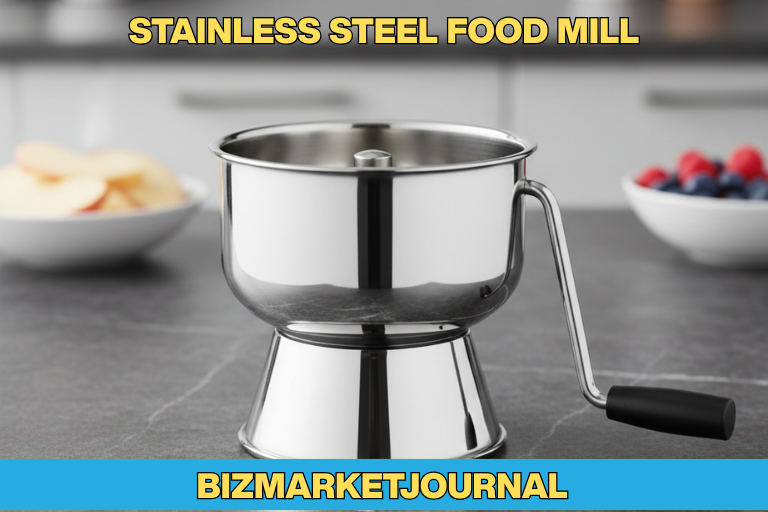
A stainless steel food mill is a kitchen tool designed to puree, mash, or strain fruits and vegetables while removing skins and seeds. Unlike plastic or aluminum food mills, stainless steel versions are durable, rust-resistant, and heat-safe, making them a popular choice in US kitchens for both home cooks and professional chefs.
Food mills work by pressing cooked fruits or vegetables through a perforated disc, producing smooth sauces, soups, purees, and mashed vegetables. Stainless steel construction ensures long-lasting performance, easy cleaning, and superior hygiene, especially when handling acidic foods like tomatoes.
Why Choose Stainless Steel?
- Durability: Lasts for decades without warping or rusting
- Heat Resistance: Can handle hot soups, sauces, and boiled vegetables
- Hygienic: Non-porous surface prevents bacteria buildup
- Versatile: Works with a variety of foods, from potatoes to fruits
Summary
A stainless steel food mill is a durable, heat-resistant kitchen tool used to puree, mash, and strain fruits and vegetables. It’s ideal for sauces, soups, baby food, and mashed potatoes, providing smooth textures and long-lasting performance.
Benefits of a Stainless Steel Food Mill
A stainless steel food mill offers several advantages that make it a must-have kitchen tool for US home cooks. From durability to versatility, here’s why it’s a top choice.
1. Durability and Longevity
Stainless steel is strong and resistant to rust, corrosion, and staining. Unlike plastic or aluminum mills, a stainless steel food mill can last for decades, even with frequent use.
2. Heat Resistance
You can safely use stainless steel food mills with hot foods, such as boiling tomatoes or cooked vegetables. This makes it ideal for sauces, soups, and mashed potatoes.
3. Smooth, Consistent Purees
The perforated discs in a food mill allow you to remove seeds, skins, and fibers, resulting in perfectly smooth textures. Stainless steel ensures a firm structure for even pressure and consistent results.
4. Hygienic and Easy to Clean
Stainless steel is non-porous and does not absorb odors or stains. Most parts are dishwasher safe, making cleanup quick and simple.
5. Versatility in Recipes
From tomato sauces and baby food to mashed potatoes and fruit purees, a stainless steel food mill can handle a wide range of ingredients, making it a versatile tool for everyday cooking.
Pros and Cons Table
| Pros | Cons |
| Durable and long-lasting | Manual versions require effort |
| Heat-resistant for hot foods | Electric versions can be bulky |
| Produces smooth, consistent textures | Multiple parts to clean |
| Hygienic and odor-free | Slightly more expensive than plastic |
Summary
A stainless steel food mill is durable, heat-safe, hygienic, and versatile. It produces smooth, consistent purees for sauces, soups, and baby food, making it a reliable tool for US kitchens.

How to Use a Stainless Steel Food Mill
Using a stainless steel food mill correctly ensures smooth, seed-free purees and sauces. Here’s a step-by-step guide for US home cooks to get the best results.
Step-by-Step Guide
- Assemble the Food Mill
- Choose the right disc size: fine for smooth purees, medium for mashed vegetables, coarse for rustic textures.
- Secure the mill over a bowl, pot, or pan.
- Choose the right disc size: fine for smooth purees, medium for mashed vegetables, coarse for rustic textures.
- Prepare Ingredients
- Wash, peel, and chop vegetables or fruits.
- Cook hard vegetables (like potatoes or carrots) until soft.
- Wash, peel, and chop vegetables or fruits.
- Load the Food Mill
- Place a small batch of cooked ingredients into the mill.
- Avoid overfilling to ensure even milling.
- Place a small batch of cooked ingredients into the mill.
- Turn the Handle
- Rotate steadily; the puree passes through the disc while skins and seeds stay behind.
- Rotate steadily; the puree passes through the disc while skins and seeds stay behind.
- Scrape and Repeat
- Use a spatula to clear stuck ingredients from the sides.
- Continue until all food is processed.
- Use a spatula to clear stuck ingredients from the sides.
- Clean After Use
- Disassemble the mill and wash all parts thoroughly.
- Stainless steel parts are usually dishwasher safe, but hand washing is recommended for longevity.
- Disassemble the mill and wash all parts thoroughly.
Also Read: Food Mill – Explore the Amazing Powerful Guide
Tips for Best Results
- Choose the right disc: Use fine for baby food, medium for mashed potatoes.
- Work in small batches: Prevents clogging and uneven milling.
- Hot foods: Stainless steel handles heat well, perfect for soups and sauces.
- Double milling: For ultra-smooth textures, run the food through the mill twice.
Pros and Cons
Pros
- Produces smooth, uniform textures
- Handles hot ingredients safely
- Durable and long-lasting
- Retains natural flavor
Cons
- Manual versions require effort
- Electric models are larger and cost more
- Multiple parts need careful cleaning
Summary
Proper use of a stainless steel food mill ensures silky sauces, smooth purees, and perfectly mashed vegetables. Following the right technique maximizes efficiency and texture quality.
Manual vs Electric Stainless Steel Food Mill
Stainless steel food mills come in manual and electric versions. Understanding the differences helps you choose the right one for your US kitchen and cooking needs.
1. Manual Stainless Steel Food Mill
Manual food mills are operated by turning a hand crank. They are simple, durable, and ideal for small to medium batches.
Pros:
- Affordable and long-lasting
- Works anywhere, no electricity needed
- Precise control over texture
Cons:
- Requires physical effort for large batches
- Slower than electric versions
Best For: Small family meals, mashed potatoes, tomato sauces, baby food.
2. Electric Stainless Steel Food Mill
Electric food mills automate the pureeing process, making it faster and easier for large quantities.
Pros:
- Quick and effortless
- Handles large batches efficiently
- Consistent, smooth texture
Cons:
- More expensive than manual mills
- Requires electricity
- Bulkier and takes more storage space
Best For: Frequent cooks, professional kitchens, large families, or batch cooking.
Comparison Table
| Feature | Manual Stainless Steel Food Mill | Electric Stainless Steel Food Mill |
| Effort | Requires hand-crank effort | Automatic, minimal effort |
| Batch Size | Small to medium | Medium to large |
| Cost | Affordable | Higher price |
| Speed | Slower | Faster |
| Storage | Compact | Bulkier |
| Control | Full control over texture | Consistent, less hands-on control |
Summary
Choosing between a manual and electric stainless steel food mill depends on your cooking frequency, batch size, and kitchen setup. Manual mills are great for smaller, controlled batches, while electric mills save time and effort for larger quantities.

Recipes You Can Make With a Stainless Steel Food Mill
A stainless steel food mill is a versatile kitchen tool that helps US home cooks create smooth, professional-quality dishes. Here are some popular recipes you can make:
1. Tomato Sauce
- Ingredients: Ripe tomatoes, garlic, onion, olive oil, herbs
- Method: Boil tomatoes, then pass them through the stainless steel food mill to remove skins and seeds. Simmer with herbs for a smooth, flavorful sauce.
- Tip: Perfect for pasta, pizza, or as a base for soups.
2. Mashed Potatoes
- Ingredients: Potatoes, butter, milk, salt
- Method: Boil potatoes until soft, then run them through the food mill using the coarse or medium disc. Add butter and milk for creamy mashed potatoes.
- Tip: Stainless steel ensures silky, lump-free results every time.
3. Baby Food Purees
- Ingredients: Carrots, peas, sweet potatoes, apples, or pears
- Method: Steam or boil vegetables/fruits until soft, then use the fine disc to produce smooth baby food.
- Tip: Safe and smooth purees without skins or seeds.
4. Fruit Purees
- Ingredients: Berries, peaches, or pears
- Method: Lightly cook fruit, then mill through the fine disc to remove skins and seeds.
- Tip: Ideal for desserts, pancakes, yogurt, or sauces.
5. Vegetable Soups
- Ingredients: Vegetables, stock, herbs
- Method: After cooking, pass vegetables through the food mill for a creamy, lump-free soup.
- Tip: Eliminates the need for a blender and handles hot ingredients safely.
Recipe Ideas Table
| Recipe | Best Disc | Texture |
| Tomato sauce | Fine | Smooth |
| Mashed potatoes | Medium | Creamy |
| Baby food puree | Fine | Silky |
| Fruit puree | Fine | Smooth & seed-free |
| Vegetable soup | Medium/Fine | Velvety |
Summary
A stainless steel food mill transforms ordinary ingredients into smooth, professional-quality sauces, purees, and mashed dishes. From baby food to gourmet tomato sauce, it’s a versatile tool for US kitchens.

Tips for Cleaning and Maintaining a Stainless Steel Food Mill
Proper care of your stainless steel food mill ensures it lasts for years and continues to produce smooth, consistent results. Here’s how US home cooks can maintain theirs effectively.
1. Disassemble After Use
- Remove the handle, discs, and bowl immediately after cooking.
- Separating the parts makes it easier to clean thoroughly.
2. Wash Thoroughly
- Hand wash: Use warm, soapy water and a soft brush to clean the discs and holes.
- Dishwasher-safe: Most stainless steel parts are dishwasher safe, but check manufacturer instructions for any exceptions.
3. Dry Completely
- Dry each part carefully to prevent water spots or rust.
- Store in a dry area to maintain longevity.
4. Avoid Harsh Cleaners
- Do not use abrasive pads or chemicals, which can scratch or damage the stainless steel surface.
- Mild dish soap and soft brushes are sufficient.
5. Periodic Deep Cleaning
- Soak discs in warm water for 10–15 minutes to remove stubborn food particles.
- Check the handle and moving parts; lubricate lightly if recommended by the manufacturer.
Quick Tip
Quick Tip: Rinse your stainless steel food mill immediately after processing acidic foods like tomatoes to prevent residue buildup.
Summary
Regular cleaning and proper maintenance of your stainless steel food mill ensures durability, smooth operation, and hygienic performance, making it a reliable tool in any US kitchen.
Common Mistakes When Using a Stainless Steel Food Mill
Even experienced home cooks can make mistakes when using a stainless steel food mill. Avoiding these common errors ensures smooth results and prolongs the life of your mill.
1. Overloading the Mill
- Filling the mill with too much food at once makes the handle hard to turn and can cause uneven purees.
- Tip: Process in small batches for smooth, consistent results.
2. Using the Wrong Disc
- Using a coarse disc for fine sauces or baby food produces an inconsistent texture.
- Tip: Match the disc size to your desired result: fine for smooth, medium for mashed, coarse for chunky textures.
3. Skipping Ingredient Prep
- Not peeling, chopping, or cooking ingredients first can clog the mill and reduce efficiency.
- Tip: Pre-cook and prep all ingredients properly.
4. Forcing Hard Ingredients
- Raw carrots or other hard vegetables can damage the mill or strain the handle (manual mills).
- Tip: Boil, steam, or roast hard vegetables before milling.
5. Delaying Cleaning
- Leaving food in the mill can harden residue in the disc holes.
- Tip: Wash immediately after use or soak in warm water to loosen stuck food.
Quick Tip
💡 Quick Tip: Rotate the handle steadily and evenly to avoid uneven textures and reduce strain.
Summary
Avoiding mistakes such as overloading, using the wrong disc, skipping prep, forcing hard foods, or delaying cleaning ensures your stainless steel food mill works efficiently and produces smooth, professional-quality purees, sauces, and mashed dishes.

Conclusion
A stainless steel food mill is a versatile, durable, and heat-resistant kitchen tool that every US home cook should consider. It allows you to create smooth sauces, mashed vegetables, baby food, and fruit purees with ease. Unlike plastic or less durable mills, stainless steel ensures long-lasting performance, safe handling of hot foods, and hygienic use. Proper technique, maintenance, and avoiding common mistakes guarantee perfect results every time.
Frequently Asked Questions (FAQs)
1. What is a stainless steel food mill used for?
It’s used to puree, mash, or strain fruits and vegetables while removing skins and seeds. Ideal for sauces, soups, mashed potatoes, and baby food.
2. How do I clean a stainless steel food mill?
Disassemble the parts, wash in warm soapy water or dishwasher if safe, dry thoroughly, and store in a dry place.
3. Manual or electric – which is better?
Manual mills are great for small batches and precise control, while electric mills save time for large quantities.
4. Can I use a stainless steel food mill with hot ingredients?
Yes, it’s safe for hot soups, sauces, and cooked vegetables.
5. Are stainless steel food mills durable?
Yes, they resist rust, corrosion, and staining, lasting decades with proper care.
6. What recipes can I make with a stainless steel food mill?
Tomato sauces, mashed potatoes, baby food purees, fruit purees, and vegetable soups.
7. Can I make baby food with a stainless steel food mill?
Absolutely! The fine disc produces smooth, seed-free purees safe for babies.