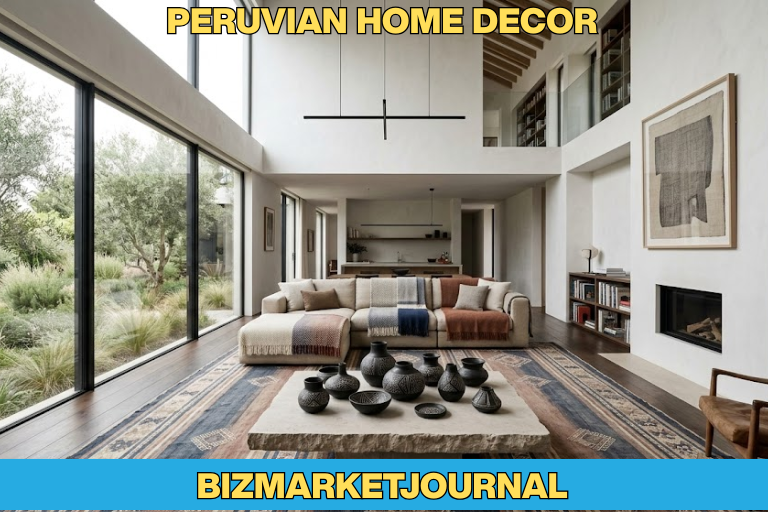
Peruvian home decor is a vibrant blend of traditional craftsmanship, cultural heritage, and modern design influences. It emphasizes handcrafted materials, colorful patterns, and a connection to Peru’s rich history, particularly the Andean and colonial eras. Homes decorated in this style are warm, inviting, and culturally expressive.
- Core elements: Handwoven textiles, rustic wood furniture, and artisan ceramics.
- Cultural inspiration: Designs often draw from Peruvian folklore, ancient Incan motifs, and local artisan techniques.
- Functional beauty: Every decor item not only adds aesthetic value but also represents sustainable, handcrafted practices.
Summary:
Peruvian home decor combines traditional Andean artistry with modern interior trends, focusing on authenticity, craftsmanship, and vibrant aesthetics.
Key Takeaways:
- Handcrafted materials define authenticity.
- Cultural motifs give homes unique character.
- Mix of rustic and contemporary styles enhances versatility.
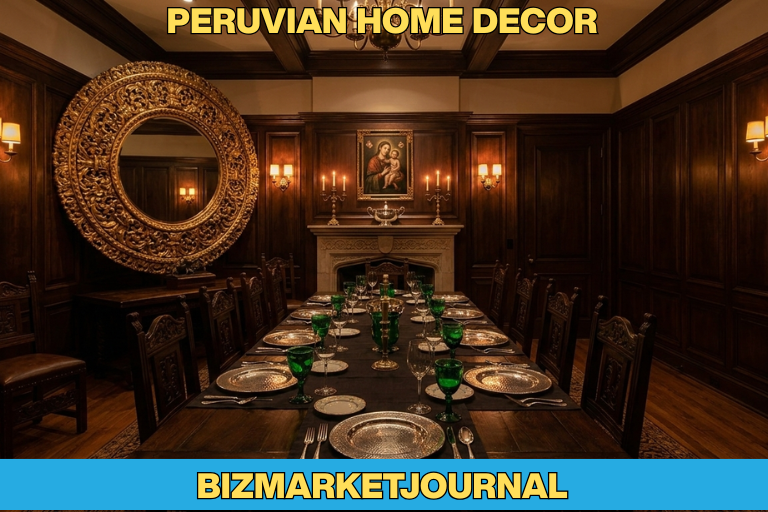
Key Styles of Peruvian Interior Design
Peruvian interior design can be classified into three primary styles, each reflecting a unique cultural and historical influence:
- Andean Style
- Emphasis on earth tones, handwoven textiles, and natural materials.
- Common items: alpaca rugs, wool blankets, clay pottery.
- Focuses on warmth and cultural storytelling.
- Emphasis on earth tones, handwoven textiles, and natural materials.
- Colonial Style
- Influenced by Spanish architecture and furniture.
- Features dark wood furniture, carved details, and decorative ironwork.
- Blends elegance with rustic charm.
- Influenced by Spanish architecture and furniture.
- Contemporary Fusion Style
- Mixes traditional Peruvian elements with modern minimalism.
- Includes bright accent colors, geometric patterns, and open-space layouts.
- Ideal for urban homes seeking cultural character without clutter.
- Mixes traditional Peruvian elements with modern minimalism.
Summary:
Peruvian interior design offers diverse styles: Andean warmth, Colonial elegance, and Contemporary fusion. Each style integrates traditional elements with modern usability.
Key Takeaways:
- Andean: Focus on natural materials and earthy tones.
- Colonial: Rich wood textures and intricate carvings.
- Contemporary: Bold patterns with modern simplicity.
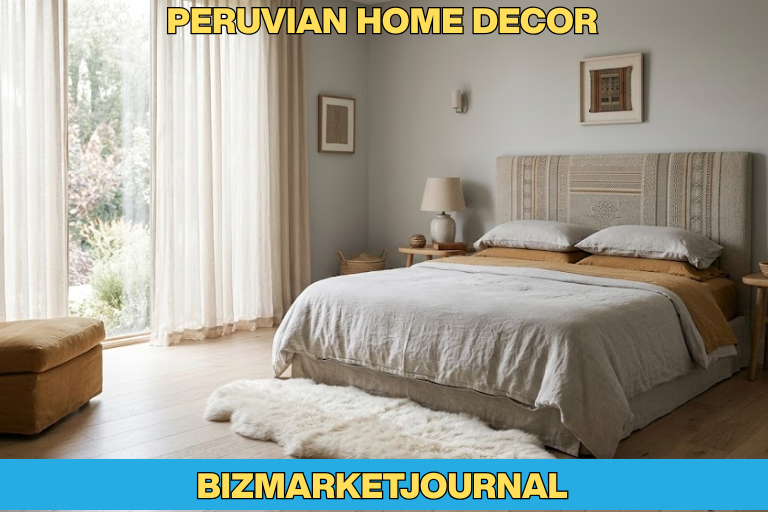
Traditional Materials & Textiles in Peruvian Decor
Peruvian home decor heavily relies on authentic, handcrafted materials, many of which have been used for centuries. These materials not only define the style but also ensure durability and cultural authenticity.
- Alpaca Textiles
- Soft, warm, and naturally hypoallergenic
- Used for blankets, rugs, and throws
- Traditionally handwoven in the Andes
- Soft, warm, and naturally hypoallergenic
- Handwoven Cotton & Wool
- Durable and breathable, suitable for upholstery and curtains
- Often dyed with natural pigments from plants and minerals
- Represents centuries of artisan weaving techniques
- Durable and breathable, suitable for upholstery and curtains
- Ceramics & Pottery
- Vases, bowls, and decorative items
- Often feature geometric and tribal patterns
- Produced in regions like Cusco and Ayacucho
- Vases, bowls, and decorative items
- Wood & Hand-Carved Furniture
- Materials: cedar, pine, and mahogany
- Hand-carved details reflect colonial and Andean influences
- Used for furniture, wall panels, and decorative accents
- Materials: cedar, pine, and mahogany
Summary:
Traditional Peruvian materials—alpaca textiles, handwoven wool, ceramics, and carved wood—form the backbone of authentic decor, combining beauty with cultural heritage.
Key Takeaways:
- Alpaca and wool are essential for textiles.
- Ceramics reflect cultural patterns and functionality.
- Hand-carved wood integrates elegance and tradition.
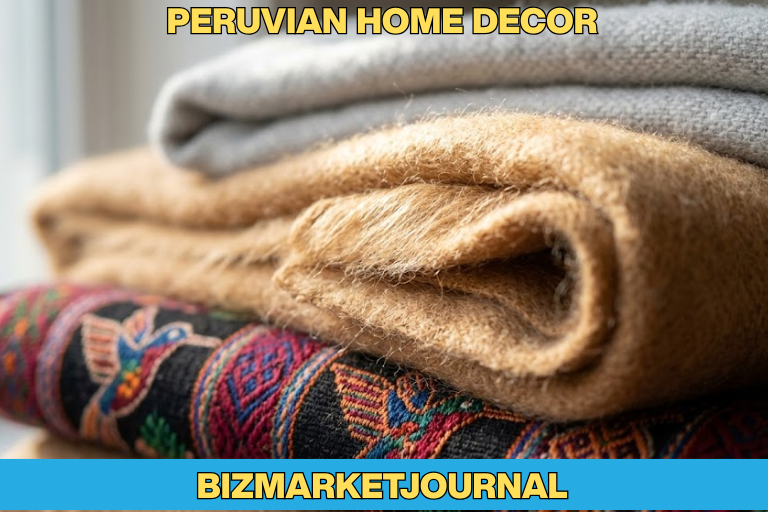
Color Palettes & Patterns
Colors and patterns in Peruvian home decor are vibrant yet harmonious, reflecting the country’s landscapes and cultural motifs. Choosing the right palette is crucial to achieve a balance between traditional charm and modern livability.
- Earth Tones
- Warm browns, terracotta, ochre, and muted greens
- Commonly used for walls, floors, and large furniture
- Evokes Andean landscapes and rustic warmth
- Warm browns, terracotta, ochre, and muted greens
- Bright Accent Colors
- Reds, yellows, blues, and turquoise
- Highlight textiles, pottery, and decorative items
- Adds energy without overpowering the natural base tones
- Reds, yellows, blues, and turquoise
- Traditional Patterns
- Geometric shapes, tribal motifs, and Incan symbols
- Often woven into rugs, blankets, and wall hangings
- Can be combined with contemporary patterns for fusion style
- Geometric shapes, tribal motifs, and Incan symbols
Summary:
Peruvian decor uses a mix of earthy neutrals and bold accents, often combined with intricate geometric patterns to create visual interest and cultural authenticity.
Key Takeaways:
- Base earth tones create a grounded environment.
- Vibrant accents enhance visual appeal.
- Patterns connect decor to Peruvian heritage.
Furniture & Handcrafted Accents
Furniture and accents in Peruvian home decor are a fusion of craftsmanship, tradition, and functionality. Handcrafted pieces are central to the style, often made from locally sourced wood and adorned with intricate carvings.
- Hand-Carved Wooden Furniture
- Materials: cedar, mahogany, pine
- Includes beds, chairs, tables, and cabinets
- Reflects colonial and Andean influences with detailed motifs
- Materials: cedar, mahogany, pine
- Textile Accents
- Throw pillows, blankets, and wall hangings
- Often feature geometric patterns and vibrant colors
- Alpaca and cotton textiles dominate this category
- Throw pillows, blankets, and wall hangings
- Decorative Items
- Ceramics, vases, and pottery with tribal or Incan designs
- Woven baskets and artisan lamps
- Functional yet visually expressive
- Ceramics, vases, and pottery with tribal or Incan designs
- Statement Pieces
- Hand-painted murals, tapestries, or carved room dividers
- Often used as focal points in living rooms or bedrooms
- Adds cultural authenticity and storytelling to the space
- Hand-painted murals, tapestries, or carved room dividers
Summary:
Furniture and accents in Peruvian decor combine handcrafted quality, cultural motifs, and functional design, creating spaces that are both authentic and inviting.
Key Takeaways:
- Hand-carved wood is a signature of Peruvian furniture.
- Textile accents provide warmth and cultural depth.
- Decorative items enhance authenticity and visual appeal.
Modern Adaptations & Fusion Ideas
Modern Peruvian decor adapts traditional elements to contemporary interiors, balancing heritage with modern usability. This style allows for cultural expression while keeping spaces clean, functional, and stylish.
- Contemporary Color Use
- Base neutral tones with strategic bright accents
- Walls, rugs, and accessories follow modern minimalism principles
- Base neutral tones with strategic bright accents
- Hybrid Furniture
- Combines rustic hand-carved elements with sleek, modern designs
- Suitable for urban apartments or modern homes
- Combines rustic hand-carved elements with sleek, modern designs
- Fusion Decor
- Mixes Andean patterns with contemporary prints
- Layering textures: alpaca throws over modern sofas
- Incorporates sustainable and locally sourced decor
- Mixes Andean patterns with contemporary prints
- Room-Specific Tips
- Living Room: Blend wooden furniture with bright textiles
- Bedroom: Use alpaca blankets and tribal rugs
- Kitchen/Dining: Add pottery and woven placemats for a cultural touch
- Living Room: Blend wooden furniture with bright textiles
Summary:
Modern adaptations of Peruvian decor integrate traditional textiles, furniture, and patterns into contemporary settings, achieving a cultural yet functional aesthetic.
Key Takeaways:
- Contemporary interiors can incorporate traditional Peruvian motifs.
- Fusion allows for functional, stylish, and culturally rich spaces.
- Textures and colors balance heritage with modern design.
How to Incorporate Peruvian Decor into Your Home
Incorporating Peruvian decor involves strategic layering of colors, textures, and cultural elements. The goal is to blend authenticity with functionality while maintaining a cohesive interior.
- Living Room Tips
- Use handwoven rugs and throws on sofas or chairs
- Add ceramic vases, pottery, or wall art for accent pieces
- Incorporate statement furniture like carved coffee tables or wooden shelves
- Use handwoven rugs and throws on sofas or chairs
- Bedroom Tips
- Layer alpaca blankets and bright pillowcases
- Use tribal-patterned wall hangings or tapestries
- Opt for rustic wooden bed frames or headboards
- Layer alpaca blankets and bright pillowcases
- Kitchen & Dining Areas
- Display Peruvian ceramics for decor and functional use
- Add woven placemats or baskets for table styling
- Combine natural wood furniture with minimalist design
- Display Peruvian ceramics for decor and functional use
- Outdoor Spaces
- Use woven rugs and cushions on patios
- Decorate with terracotta pots and hand-painted planters
- Include hanging tapestries or wall decor to add color and texture
- Use woven rugs and cushions on patios
Summary:
Incorporating Peruvian decor requires blending textiles, furniture, and accents with your home’s layout, balancing cultural authenticity and modern functionality.
Key Takeaways:
- Layer textiles, patterns, and colors for visual interest.
- Mix handcrafted furniture and decorative items strategically.
- Apply Peruvian elements to both indoor and outdoor spaces.
Sourcing Authentic Peruvian Decor Items
Finding genuine Peruvian decor ensures quality, cultural authenticity, and ethical sourcing. Authentic items often come from artisan cooperatives and trusted online platforms.
- Artisan Cooperatives
- Support local communities in Peru
- Offer handwoven textiles, alpaca blankets, pottery, and carvings
- Examples: Cusco textile cooperatives, Sacred Valley artisan groups
- Support local communities in Peru
- Online Platforms
- Etsy, Peruvian specialty shops, and international fair-trade stores
- Check seller certifications for authenticity
- Etsy, Peruvian specialty shops, and international fair-trade stores
- Physical Stores & Markets
- Peruvian cultural fairs and import stores in urban areas
- Look for handcrafted labels or fair-trade certifications
- Peruvian cultural fairs and import stores in urban areas
- Tips for Authenticity
- Avoid mass-produced imitations
- Verify the material (alpaca vs synthetic wool)
- Check for traditional patterns and handcrafting techniques
- Avoid mass-produced imitations
Summary:
Sourcing authentic Peruvian decor combines artisan support, certified sellers, and careful selection to ensure cultural integrity and high-quality items.
Key Takeaways:
- Purchase from artisan cooperatives or certified sellers.
- Avoid mass-produced imitations; prioritize handcrafting.
- Authenticity adds value, story, and longevity to decor items.
Common Mistakes & How to Avoid Them
Even with the best intentions, incorporating Peruvian home decor can lead to missteps if key principles are overlooked. Avoiding these mistakes ensures a balanced, authentic, and visually appealing space.
- Overusing Patterns
- Using too many tribal or geometric patterns can overwhelm the space
- Solution: Pair bold patterns with neutral earth tones to create balance
- Using too many tribal or geometric patterns can overwhelm the space
- Mixing Styles Without Cohesion
- Combining Peruvian decor with incompatible modern or minimalistic styles may clash
- Solution: Blend traditional and contemporary elements thoughtfully, using color and texture as bridges
- Combining Peruvian decor with incompatible modern or minimalistic styles may clash
- Ignoring Material Authenticity
- Synthetic textiles or mass-produced furniture dilute authenticity
- Solution: Prioritize alpaca, handwoven cotton, ceramics, and hand-carved wood
- Synthetic textiles or mass-produced furniture dilute authenticity
- Neglecting Functional Placement
- Decorative pieces placed without function or purpose can feel cluttered
- Solution: Place textiles, furniture, and accents where they enhance comfort and utility
- Decorative pieces placed without function or purpose can feel cluttered
- Underestimating Lighting
- Poor lighting reduces the impact of Peruvian colors and textures
- Solution: Use warm ambient lighting and spotlight artisan features to highlight craftsmanship
- Poor lighting reduces the impact of Peruvian colors and textures
Summary:
Common mistakes in Peruvian home decor include overusing patterns, neglecting authentic materials, and poor styling choices. Avoiding these ensures a culturally rich and functional home.
Key Takeaways:
- Balance bold patterns with neutral tones.
- Blend traditional and modern elements thoughtfully.
- Use authentic materials and highlight them with proper lighting.
Conclusion
Peruvian home decor offers a unique blend of cultural heritage, handcrafted materials, and vibrant aesthetics. By combining traditional Andean and Colonial styles with modern fusion approaches, you can create a home that is authentic, warm, and visually captivating. Using alpaca textiles, hand-carved furniture, ceramics, and colorful patterns, and sourcing items from authentic artisans, ensures both cultural integrity and timeless style. Proper planning, balance, and attention to detail make it possible to achieve a space that honors Peru’s rich artistic tradition while fitting modern lifestyles.
Key Takeaways:
- Blend traditional and contemporary styles for versatility.
- Prioritize authentic materials and cultural motifs.
- Use color, pattern, and texture thoughtfully for balanced design.
FAQs:
- What is Peruvian home decor?
- Peruvian home decor is an interior design style that incorporates Andean, Colonial, and contemporary elements, emphasizing handcrafted materials, vibrant colors, and cultural motifs.
- Peruvian home decor is an interior design style that incorporates Andean, Colonial, and contemporary elements, emphasizing handcrafted materials, vibrant colors, and cultural motifs.
- Which materials are commonly used in Peruvian decor?
- Key materials include alpaca textiles, handwoven cotton, wood, and ceramics, often handcrafted by local artisans.
- Key materials include alpaca textiles, handwoven cotton, wood, and ceramics, often handcrafted by local artisans.
- How do I incorporate Peruvian decor in a modern home?
- Blend neutral base colors with bright accent textiles, add artisan furniture, and use decorative ceramics while keeping spaces uncluttered.
- Blend neutral base colors with bright accent textiles, add artisan furniture, and use decorative ceramics while keeping spaces uncluttered.
- Where can I buy authentic Peruvian decor items?
- Purchase from artisan cooperatives, certified online shops, Etsy, or fair-trade stores that verify handcrafted authenticity.
- Purchase from artisan cooperatives, certified online shops, Etsy, or fair-trade stores that verify handcrafted authenticity.
- What are common mistakes in Peruvian home decor?
- Overusing patterns, ignoring authentic materials, poor placement, and insufficient lighting are common mistakes. Balance and authenticity are key.
- Overusing patterns, ignoring authentic materials, poor placement, and insufficient lighting are common mistakes. Balance and authenticity are key.
- What colors are typical in Peruvian interior design?
- Earth tones like browns, ochres, and muted greens serve as the base, complemented by bright accents such as reds, blues, and yellows.
- Earth tones like browns, ochres, and muted greens serve as the base, complemented by bright accents such as reds, blues, and yellows.
- What styles exist within Peruvian home decor?
- The three main styles are Andean, Colonial, and Contemporary Fusion, each reflecting different historical and cultural influences.
- The three main styles are Andean, Colonial, and Contemporary Fusion, each reflecting different historical and cultural influences.
References:
- Instituto Nacional de Cultura del Perú – Peruvian Art & Design Standards
- Cusco Artisan Cooperatives – Traditional Textiles & Crafts
- Peruvian Ministry of Tourism – Cultural Heritage and Home Decor
- Fair Trade International – Authentic Handcrafted Decor Guidelines
- “The Art and Culture of Peru” – Smithsonian Institution Publication
- Etsy and Global Artisan Platforms – Verified Peruvian Decor Sellers
- Peruvian Interior Design Trends Reports (2023–2025)