
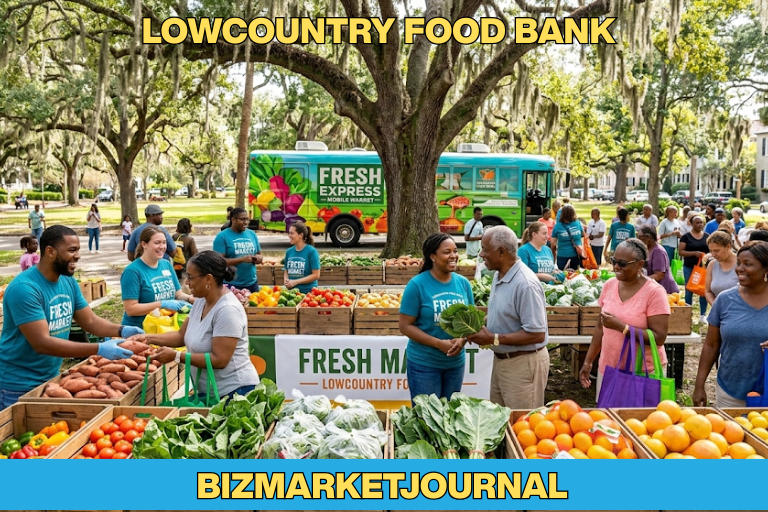
The Lowcountry Food Bank (LCFB) continues to lead efforts against hunger in Charleston County and across 10 coastal counties in South Carolina. In 2026, the organization has expanded outreach to bridge gaps in food access, working closely with local partners, community organizations, and government agencies to ensure that families, children, and seniors receive consistent nutrition.
Regional Outreach Across 10 Coastal Counties
LCFB distributes meals and groceries to thousands of residents through a network of distribution centers, mobile pantries, and school programs. By leveraging partnerships with local municipalities, community centers, and faith-based organizations, the food bank ensures accessibility in both urban and rural areas.
Key Highlights:
- Serves more than 70,000 individuals annually across the Lowcountry.
- Provides fresh produce, shelf-stable meals, and protein options.
- Mobile distribution units extend reach to underserved communities.
SNAP Bridging and Administrative Support
Rising administrative costs for SNAP (Supplemental Nutrition Assistance Program) have challenged low-income families. LCFB steps in to bridge these gaps, assisting residents with applications and connecting them to available resources, ensuring no eligible household goes hungry.
Initiatives:
- SNAP application assistance at distribution sites.
- Collaboration with the South Carolina Department of Social Services for streamlined enrollment.
- Educational outreach to inform families about benefits and eligibility.
Collaboration with Gullah Farmers
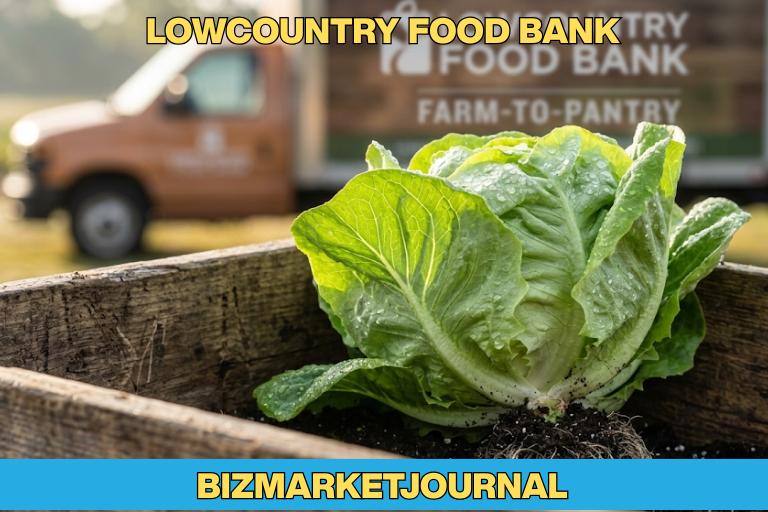
To support both food security and local agriculture, LCFB partners with Gullah Geechee farmers to source fresh produce for distribution programs like Fresh for All. This collaboration enhances nutritional offerings while supporting cultural heritage and local economies.
Impact:
- Integrates culturally significant crops into distribution networks.
- Supports economic sustainability for Gullah farmers in Charleston County.
- Ensures fresh, nutrient-rich produce reaches food-insecure households.
Key Takeaways
- LCFB serves 10 coastal counties, providing food to tens of thousands.
- SNAP assistance and outreach help bridge gaps in federal nutrition programs.
- Partnerships with local farmers increase access to fresh and culturally relevant foods.
Pros vs Cons
Pros
- Expands reach and food security for diverse populations
- Supports the local agricultural economy
- Combines government assistance with nonprofit initiatives
Cons
- Dependent on consistent funding and donations
- Logistical challenges in rural and underserved areas
- Seasonal fluctuations can affect produce availability
Common Misconception
“Food banks only provide canned or processed foods.”
Reality: LCFB emphasizes fresh produce, proteins, and culturally relevant foods, ensuring balanced nutrition across its programs, including Fresh for All and school feeding initiatives.
Essential Programs: From Backpack Buddies to Senior Meals
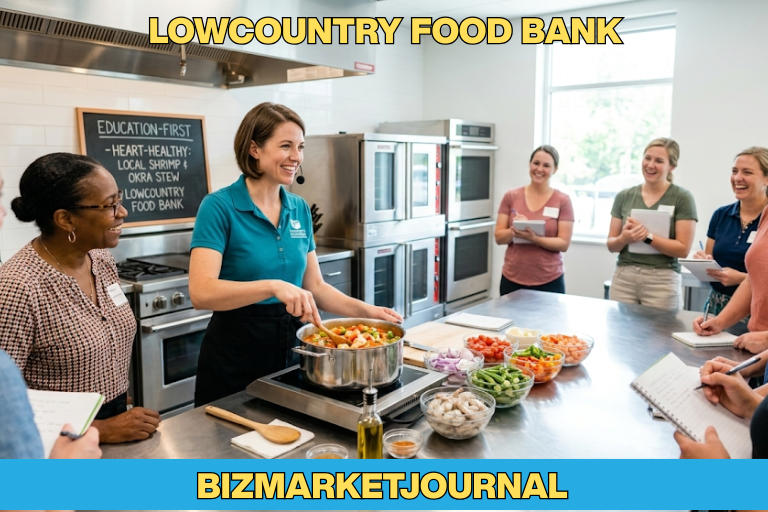
The Lowcountry Food Bank (LCFB) offers a variety of programs designed to address food insecurity for all age groups in Charleston County. From school-based initiatives to senior meal distributions, these programs ensure that children, adults, and the elderly have access to nutritious meals throughout the year.
Programs like BackPack Buddies and Fresh for All focus on providing high-quality, nutrient-dense foods to children and families. For readers interested in the science behind how food retains its nutrients, see Food Storage in Plants – UC Davis Insights for Yolo 2026, which explains how plants store energy and nutrients naturally.
Backpack Buddies for Children
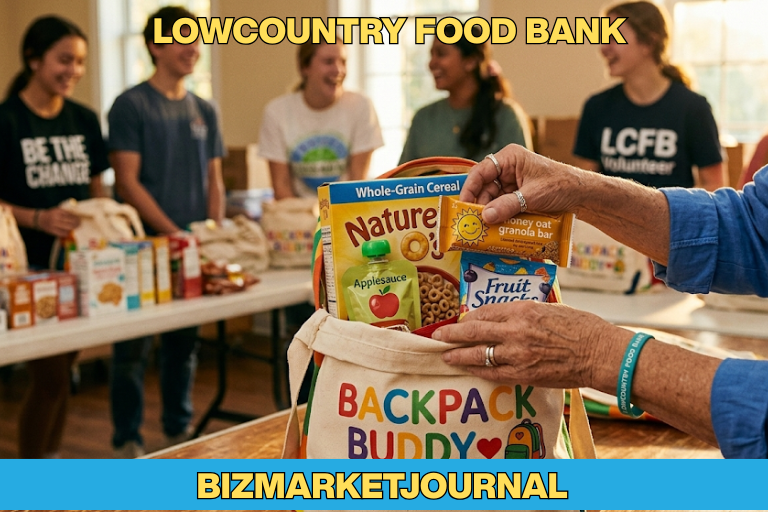
BackPack Buddies provides children with weekend meals and snacks to prevent food insecurity when school cafeterias are closed. In 2026, the program had expanded to reach over 3,500 students in 20 schools across Charleston County.
Key Features:
- Weekly meal packs containing shelf-stable and nutrient-rich foods.
- Targets children who rely on school meals for daily nutrition.
- Collaboration with volunteers and local schools ensures efficient distribution.
Senior Meals & Kids Café Programs
LCFB supports seniors and vulnerable youth through targeted meal programs:
- Senior Meals: Provides ready-to-eat meals and groceries for low-income seniors, helping them maintain health and independence.
- Kids Café: After-school programs offering balanced meals and snacks to children in need, supplementing school lunch programs.
Impact:
- Over 1,200 seniors served through weekly meal deliveries.
- 50,000 meals distributed via Kids Café programs in 2026.
Fresh for All Produce Distributions
Fresh for All offers free, fresh produce to families and individuals, enhancing access to fruits and vegetables. Distribution sites are set up in Charleston, North Charleston, and surrounding areas, providing thousands of pounds of produce weekly.
Highlights:
- Encourages healthy eating habits.
- Supplies culturally relevant crops sourced from local Gullah Geechee farmers.
- Reduces barriers to fresh food access in low-income neighborhoods.
Childhood Feeding Program Impact (2026)
| Program | Participants | Meals Distributed | Reach |
|---|---|---|---|
| BackPack Buddies | 3,500 | 78,000 | 20 schools |
| Kids Café | 1,200 | 50,000 | 15 sites |
| School Pantry | 2,000 | 60,000 | 25 schools |
Key Takeaways
- LCFB programs cover children, seniors, and families in need.
- BackPack Buddies and Kids Café supplement school nutrition.
- Fresh for All provides access to fresh produce, enhancing community health.
Pros vs Cons
Pros
- Comprehensive coverage across age groups
- Encourages healthy nutrition and educational support
- Strengthens community ties through school and volunteer partnerships
Cons
- Programs depend on continuous funding and volunteers
- Seasonal produce availability can limit distribution options
- Logistical challenges in reaching remote schools or neighborhoods
Common Misconception
“Food banks only focus on emergency food assistance.”
Reality: LCFB implements year-round programs that support ongoing nutrition, including weekend meals, after-school feeding, senior meals, and fresh produce distributions.
How to Find Help: Distribution Centers in Charleston and Beyond
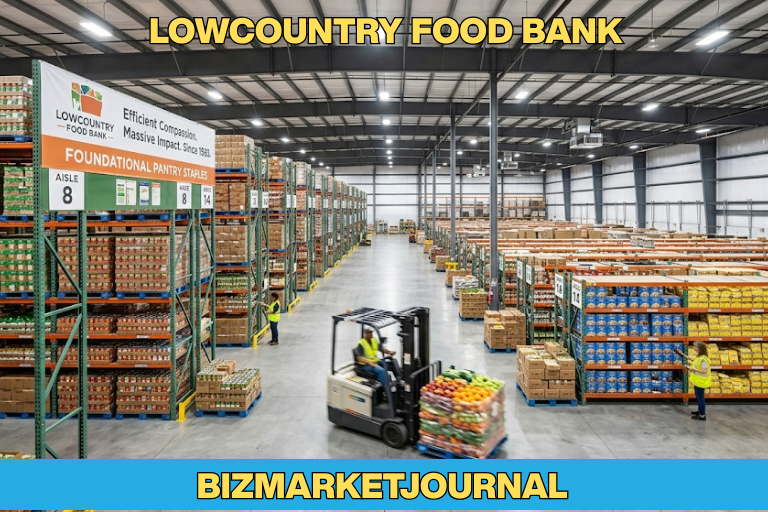
The Lowcountry Food Bank (LCFB) ensures that residents of Charleston County and surrounding areas have easy access to food assistance through a network of distribution centers, school pantries, and community partners. Whether individuals need immediate help or ongoing support, LCFB provides multiple avenues to connect with nutritious food.
Fresh for All Locations and Schedule
Fresh for All distributions are held weekly, offering free fresh produce to families and individuals in need. Locations are strategically placed across Charleston County to maximize reach.
2026 Distribution Highlights:
- Charleston: Saturdays, 9 a.m.–12 p.m.
- North Charleston: Wednesdays, 10 a.m.–1 p.m.
- Mount Pleasant: Fridays, 2 p.m.–5 p.m.
What’s Provided: Fruits, vegetables, bread, dairy, and seasonal produce.
SNAP Application Support
LCFB helps residents navigate SNAP (Supplemental Nutrition Assistance Program) applications, bridging gaps caused by administrative costs and program complexity. Staff and volunteers assist with eligibility checks, enrollment, and documentation to ensure families can access federal nutrition benefits.
Support Includes:
- On-site application assistance at distribution centers.
- Guidance on eligibility and documentation.
- Connection to the South Carolina Department of Social Services resources.
School Pantries & Community Partnerships
LCFB collaborates with local schools and community centers to operate pantries and meal programs, including BackPack Buddies and Kids Café. These programs ensure consistent access to nutritious meals for students and families, even during school breaks.
Examples:
- School pantries are stocked weekly with shelf-stable foods.
- After-school snack programs for children.
- Partnerships with faith-based organizations to reach underserved communities.
Key Takeaways
- Multiple distribution channels ensure access across Charleston County.
- Fresh for All provides consistent fresh produce weekly.
- SNAP support and school-based pantries expand reach to vulnerable populations.
Pros vs Cons
Pros
- Diverse access points for immediate and long-term assistance
- Combines fresh produce and staple foods
- Supports children, seniors, and families in underserved areas
Cons
- Locations may require transportation for some residents
- Limited volunteer capacity can affect distribution efficiency
- Seasonal fluctuations can affect the variety.
Common Misconception
“You must qualify for SNAP to receive assistance from LCFB.”
Reality: Many LCFB programs, including Fresh for All and school pantries, are open to all community members in need, regardless of SNAP enrollment.
Support the Mission: Volunteering and the 27th Annual Chefs’ Feast
Supporting the Lowcountry Food Bank (LCFB) goes beyond donations—volunteering and attending community events like the 27th Annual Chefs’ Feast are critical ways to help fight hunger in Charleston County. In 2026, these efforts have strengthened LCFB’s impact, raising funds, expanding programs, and engaging the community.
27th Annual Chefs’ Feast 2026 Highlights
The Chefs’ Feast is LCFB’s premier fundraising event, bringing together local chefs, businesses, and residents to support the mission. The 2026 event successfully raised $640,000, funding programs such as BackPack Buddies, Fresh for All, and Senior Meals.
Key Points:
- Features culinary showcases from Charleston’s top chefs.
- Funds raised support over 70,000 individuals in 10 coastal counties.
- Community engagement drives awareness about local food insecurity.
Volunteer Opportunities in Charleston County
Volunteers are vital for LCFB’s daily operations, from sorting and packing food to assisting at distribution sites and special events. In 2026, thousands of community members contributed hours, helping LCFB maintain consistent food access.
Volunteer Roles:
- Food sorting and packaging at the LCFB warehouse.
- Staffing Fresh for All produce distributions.
- Supporting school-based feeding programs.
- Event volunteering for the Chefs’ Feast and other fundraisers.
Neighbor-Choice Model and Fundraising Impact
LCFB’s Neighbor-Choice program empowers local schools and communities to select foods for distribution based on regional preferences and cultural relevance. This model improves engagement and ensures donated funds directly impact communities in meaningful ways.
Highlights:
- Tailors program offerings to local needs, especially in culturally diverse areas.
- Enhances the efficiency of resource allocation.
- Encourages schools and community centers to participate actively in program design.
Key Takeaways
- The Chefs’ Feast is a flagship fundraising and community engagement event.
- Volunteers play a critical role in ensuring LCFB programs run smoothly.
- Neighbor-Choice enhances program relevance and effectiveness for local communities.
Pros vs Cons
Pros
- Strengthens community involvement and awareness
- Raises substantial funds for critical programs
- Tailors support to meet regional and cultural needs
Cons
- Requires significant coordination and planning
- Volunteer availability may fluctuate seasonally
- Event fundraising is subject to economic and pandemic-related constraints
Common Misconception
“Donating money is the only way to support food banks.”
Reality: Volunteering, attending events, and participating in programs like Neighbor-Choice significantly contribute to LCFB’s mission, often multiplying the impact of financial donations.
Conclusion
The Lowcountry Food Bank (LCFB) remains a vital resource in Charleston County and the broader Lowcountry, addressing food insecurity through innovative programs, community partnerships, and strategic fundraising. In 2026, initiatives such as BackPack Buddies, Fresh for All, Senior Meals, and the 27th Annual Chefs’ Feast have expanded LCFB’s reach, providing thousands of individuals and families with nutritious meals. By combining federal support, local partnerships, and volunteer engagement, LCFB continues to ensure consistent access to food, support local farmers, and strengthen the social fabric of the community.
Frequently Asked Questions
1. What is the Lowcountry Food Bank?
The Lowcountry Food Bank is a nonprofit organization serving Charleston County and surrounding areas, providing food assistance, school-based nutrition programs, and community outreach to fight hunger.
2. How can I get food from LCFB?
Residents can access food through Fresh for All distributions, school pantries, BackPack Buddies, Kids Café, and senior meal programs. SNAP application assistance is also available.
3. What is the Fresh for All program?
Fresh for All is a weekly event distributing free fresh produce and other healthy foods to individuals and families in need across Charleston County.
4. How can I volunteer with the Lowcountry Food Bank?
Volunteers can help with food sorting, distribution events, school programs, and fundraising activities like the Chefs’ Feast. Opportunities are listed on LCFB’s official website.
5. What is the Backpack Buddies program?
BackPack Buddies provides children with weekend meals and snacks to prevent food insecurity when school meals are unavailable.
6. How does LCFB support local farmers?
LCFB partners with Gullah Geechee farmers to source fresh, culturally relevant produce, supporting local agriculture while delivering nutritious food to the community.
7. How much did the 2026 Chefs’ Feast raise?
The 27th Annual Chefs’ Feast in 2026 raised $640,000, funding programs like BackPack Buddies, Fresh for All, and Senior Meals.
References
- Lowcountry Food Bank – Official Programs and 2026 Updates
- Feeding America – National Food Bank Statistics and Partnerships
- South Carolina Department of Social Services – SNAP Program Guidelines and Assistance
- Local News Outlets (Charleston Post & Courier) – Chefs’ Feast 2026 Coverage
- LCFB Annual Report 2026 – Distribution and Program Metrics
- USDA – Food Assistance Program Standards and Community Nutrition Data
 Muhammad Saqib