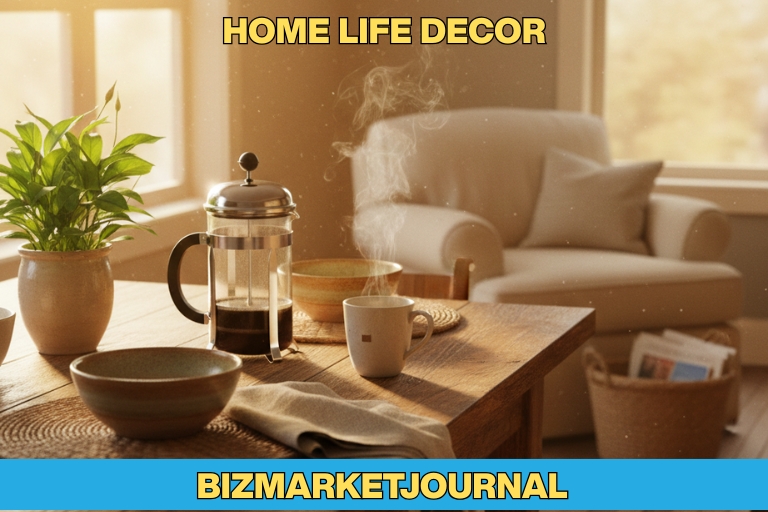
Home life decor is the practice of designing and organizing living spaces to combine comfort, functionality, and aesthetic appeal. At its core, it balances color schemes, furniture layout, lighting, and personal style. The goal is to create spaces that are visually harmonious, practical for daily living, and reflective of individual personality. According to industry standards, the key principles include proportion, balance, rhythm, emphasis, and unity, which guide both small apartments and larger homes.
Key Principles
- Color Harmony: Use complementary colors and neutral tones to maintain visual balance.
- Spatial Planning: Optimize furniture placement to ensure smooth movement and functionality.
- Texture & Material Layering: Combine fabrics, woods, metals, and natural elements for depth.
- Lighting Design: Incorporate ambient, task, and accent lighting for mood and utility.
- Personalization: Add decor items that reflect lifestyle, hobbies, and personality.
- Sustainability: Select eco-friendly materials and energy-efficient lighting.
Summary
Home life decor focuses on creating a functional, comfortable, and stylish living environment by balancing color, furniture, lighting, textures, and personal expression.
Also Read: Purple Home Decor Ideas: Shades, Tips & Room-by-Room Inspiration
Key Takeaways:
- Start with a cohesive color palette.
- Prioritize spatial efficiency for daily comfort.
- Layer textures and materials for depth.
- Integrate lighting strategically for ambiance.
- Reflect personality and lifestyle in decor choices.
Pros / Cons :
| Pros | Cons |
| Enhances home comfort and aesthetics | Can be expensive if not budgeted |
| Improves space functionality | Requires careful planning to avoid clutter |
| Reflects personal style | Over-decorating may reduce practicality |

Popular Home Life Decor Styles in 2026
Home decor trends evolve constantly, influenced by lifestyle, technology, and sustainability. In 2026, modern minimalist, Scandinavian cozy, and bohemian chic dominate home life decor. Each style offers unique aesthetics, functional benefits, and personalization opportunities. Understanding these styles helps homeowners choose decor that matches their taste, space, and budget while staying on trend.
Top Styles
- Modern Minimalist: Focuses on clean lines, neutral color palettes, and clutter-free spaces. Ideal for urban apartments and small spaces.
- Scandinavian Cozy: Combines simplicity with warmth, using soft textiles, natural light, and muted colors for a comfortable, lived-in feel.
- Bohemian Chic: Eclectic and colorful, emphasizing layered textures, patterned fabrics, and global-inspired accents.
- Eco-Friendly Contemporary: Uses sustainable materials, recycled furniture, and energy-efficient lighting without sacrificing style.
- Smart Home Aesthetic: Integrates technology seamlessly with decor, featuring smart lighting, automated systems, and sleek multifunctional furniture.
Summary
2026 home life decor trends blend minimalism, cozy Scandinavian comfort, eclectic bohemian elements, and smart, eco-conscious solutions for modern living spaces.
Key Takeaways:
- Minimalist style = simplicity + functionality.
- Scandinavian style = warmth + natural light.
- Bohemian style = color + texture + personality.
- Eco-conscious decor = sustainable + stylish.
- Smart home integration = technology + aesthetics.
Pros / Cons:
| Style | Pros | Cons |
| Modern Minimalist | Clutter-free, easy maintenance | Can feel cold if over-simplified |
| Scandinavian Cozy | Inviting, warm, functional | Requires investment in quality textiles |
| Bohemian Chic | Personalized, vibrant | Risk of clutter and mismatched patterns |
| Eco-Friendly | Sustainable, trend-forward | Often higher upfront cost |
| Smart Home | Convenient, futuristic | Needs tech knowledge, cost of gadgets |

Room-by-Room Home Decoration Tips
Effective home life decor requires room-specific strategies, as each space serves different functions and influences mood. From living rooms to bedrooms, kitchens, and outdoor areas, decorating with purpose enhances both aesthetics and practicality. By tailoring color schemes, furniture, lighting, and accessories to each room, homeowners can create cohesive and functional environments throughout their home.
Room-Specific Tips
- Living Room: Use statement furniture, layered lighting, and rugs to define zones. Add artwork and personal touches for warmth.
- Bedroom: Prioritize comfort with soft bedding, blackout curtains, and ambient lighting. Neutral or calming colors enhance relaxation.
- Kitchen & Dining: Combine functional storage with stylish countertops. Add decorative backsplashes, indoor plants, and task lighting.
- Bathroom: Focus on simplicity and hygiene. Use moisture-resistant decor, mirrors for space enhancement, and subtle accent colors.
- Outdoor & Patio: Incorporate weather-resistant furniture, decorative lighting, and greenery for a cozy, inviting space.
Summary
Decorating by room ensures functionality, comfort, and style tailored to each space, enhancing the overall home environment and elevating your home life decor.
Key Takeaways:
- Living rooms = statement pieces + personal touches.
- Bedrooms = comfort + calming aesthetics.
- Kitchens = functional + decorative elements.
- Bathrooms = simple, moisture-resistant, stylish.
- Outdoor spaces = durable, cozy, and inviting.
Pros / Cons:
| Room | Pros | Cons |
| Living Room | Central gathering space, showcase style | Can become cluttered |
| Bedroom | Promotes rest and relaxation | Over-decorating reduces space |
| Kitchen & Dining | Functional + stylish | Requires careful storage planning |
| Bathroom | Hygienic, refreshing | Limited decor options due to moisture |
| Outdoor & Patio | Extends living space | Weather exposure affects durability |

DIY Home Life Decor Projects for All Levels
DIY home decor projects allow homeowners to personalize spaces, save money, and add unique touches to their home life decor. From simple craft-based updates to advanced furniture upcycling, these projects cater to beginners and experienced DIY enthusiasts alike. Incorporating DIY elements into your home life decor can also enhance sustainability by repurposing materials and reducing waste.
DIY Ideas by Complexity
- Beginner-Friendly Projects:
- Create wall art using canvas or framed prints.
- Make decorative cushions or throw pillows.
- Arrange indoor plants in personalized pots.
- Intermediate Projects:
- Upcycle old furniture with paint or new upholstery.
- Build custom shelving units for storage and display.
- Craft seasonal wreaths or centerpieces.
- Advanced Projects:
- Construct accent walls using reclaimed wood or wallpapers.
- Design multifunctional furniture (e.g., storage ottomans).
- Install DIY lighting fixtures for ambiance.
Summary
DIY home decor enhances personalization, creativity, and sustainability, while allowing for budget-friendly and unique transformations that elevate your home life decor.
Key Takeaways:
- Start with small projects for beginners.
- Intermediate DIY = furniture upgrades + storage solutions.
- Advanced DIY = custom furniture, accent walls, and lighting.
- DIY improves creativity, sustainability, and personal style.
Pros / Cons:
| DIY Level | Pros | Cons |
| Beginner | Easy, low-cost, quick results | Limited impact on overall decor |
| Intermediate | Enhances functionality and style | Requires more tools and time |
| Advanced | Highly personalized, visually striking | Time-consuming, higher skill needed |

Eco-Friendly and Sustainable Home Life Decor Ideas
Eco-friendly home life decor focuses on reducing environmental impact while maintaining style and comfort. It combines sustainable materials, energy-efficient products, and conscious purchasing decisions. Incorporating sustainable home life decor not only benefits the planet but also creates healthier living environments through non-toxic materials and improved indoor air quality.
Sustainable Decor Strategies
- Materials: Use bamboo, reclaimed wood, recycled metal, and organic textiles for furniture and accessories.
- Energy Efficiency: Opt for LED lighting, solar-powered decor, and smart thermostats to reduce energy consumption.
- Repurposing & Upcycling: Transform old furniture, jars, and fabrics into stylish home decor items.
- Indoor Plants: Improve air quality and add natural aesthetics with low-maintenance greenery.
- Eco-Friendly Paints & Finishes: Choose water-based, low-VOC paints and natural sealants.
Summary
Sustainable home life decor merges style with eco-conscious choices, using materials, energy-efficient products, and repurposing techniques to create a healthy, environmentally responsible home.
Key Takeaways:
- Use sustainable and recycled materials for furniture and accessories.
- Integrate energy-efficient lighting and appliances.
- Upcycle old items for unique decor pieces.
- Include indoor plants for aesthetics and air quality.
- Choose low-VOC paints and eco-friendly finishes.
Pros / Cons:
| Eco-Friendly Approach | Pros | Cons |
| Sustainable Materials | Reduces environmental impact, long-lasting | Can be more expensive |
| Energy-Efficient Lighting | Lowers utility costs, eco-conscious | Initial installation cost |
| Upcycling & Repurposing | Unique, budget-friendly, creative | Time-intensive |
| Indoor Plants | Improves air quality, aesthetic | Requires care |
| Eco-Friendly Paints | Healthier indoor environment | Limited color range |
Seasonal Home Life Decor: Year-Round Inspiration
Seasonal home life decor allows homeowners to refresh their spaces throughout the year, reflecting holidays, weather changes, and seasonal moods. By swapping accents, textiles, and lighting, you can create dynamic environments without a complete overhaul. Seasonal decorating also helps maintain visual interest, comfort, and personal style alignment in every room.
Seasonal Decor Tips
- Spring: Light pastel colors, fresh flowers, airy curtains, and botanical prints.
- Summer: Bright accents, natural textures like rattan and wicker, indoor-outdoor harmony.
- Fall: Warm tones (orange, burgundy, brown), cozy throws, scented candles, autumn-inspired centerpieces.
- Winter: Neutral or jewel-toned palettes, layered lighting, festive ornaments, and soft textiles for warmth.
- Holiday-Specific Decor: Tailor spaces for Christmas, Halloween, Diwali, or other cultural celebrations with themed accessories and lighting.
Summary
Seasonal home life decor keeps your home fresh, engaging, and aligned with the changing year, using colors, textures, lighting, and festive accents.
Key Takeaways:
- Spring = light, airy, floral elements.
- Summer = bright, natural, indoor-outdoor balance.
- Fall = warm, cozy, autumn-inspired touches.
- Winter = layered textures, festive, jewel or neutral tones.
- Holiday decor = themed accents for cultural and seasonal events.
Pros / Cons:
| Season | Pros | Cons |
| Spring | Refreshing, bright, energizing | Frequent updates needed |
| Summer | Vibrant, natural feel | Can feel busy if overdone |
| Fall | Cozy, warm, inviting | Limited palette for some spaces |
| Winter | Festive, comforting | Requires storage for seasonal items |
| Holidays | Fun, personalized | Can be costly and time-consuming |
Smart Home Integration for Decor & Functionality
Integrating smart home technology into home life decor enhances both aesthetics and functionality. Smart devices allow homeowners to control lighting, climate, security, and entertainment while maintaining a cohesive style. By blending technology seamlessly with furniture, fixtures, and decorative elements, smart home decor creates convenient, modern, and visually appealing living spaces.
Smart Home Decor Strategies
- Smart Lighting: Use dimmable, color-changing LEDs or automated lights for mood, convenience, and energy efficiency.
- Climate Control: Smart thermostats and temperature sensors maintain comfort and reduce energy consumption.
- Integrated Furniture & Accessories: Choose sleek furniture with built-in charging ports, storage, or smart functionality.
- Home Automation: Connect devices through apps or voice assistants to streamline tasks without disrupting decor aesthetics.
- Security & Monitoring: Incorporate discreet smart cameras, locks, and sensors for safety without compromising style.
Summary
Smart home integration enhances decor by combining technology with design, improving convenience, efficiency, and visual harmony.
Key Takeaways:
- Smart lighting = mood + energy efficiency + style.
- Climate control = comfort + energy savings.
- Sleek, multifunctional furniture integrates tech seamlessly.
- Automation = convenience without clutter.
- Security devices can be stylishly discreet.
Pros / Cons:
| Smart Feature | Pros | Cons |
| Smart Lighting | Mood customization, energy-efficient | Higher upfront cost |
| Climate Control | Comfort, energy savings | Learning curve for optimal settings |
| Smart Furniture | Functional, tech-integrated | Limited availability, cost |
| Home Automation | Convenience, efficiency | Dependence on apps or connectivity |
| Security Devices | Safe, discreet | Requires setup and maintenance |
Budget-Friendly Home Life Decor Strategies
Creating a stylish and functional home doesn’t have to break the bank. Budget-friendly home life decor focuses on maximizing aesthetic impact while minimizing costs. By combining smart shopping, DIY projects, and resourceful material choices, homeowners can achieve a high-end look without overspending. This approach encourages creativity and strategic planning, making beautiful decor accessible for every budget.
Budget Decor Tips
- Thrifted & Upcycled Items: Repurpose furniture, frames, and decor from second-hand stores or DIY projects.
- Affordable Decor Stores: Shop at IKEA, HomeGoods, Wayfair, or local discount outlets for stylish yet low-cost items.
- Color & Paint Hacks: Refresh walls and furniture with budget-friendly paint, removable wallpapers, or stencils.
- DIY Accents: Create personalized decor such as cushions, vases, or wall art from inexpensive materials.
- Minimalist Approach: Focus on key statement pieces to reduce clutter and spending.
Summary
Budget-friendly home decor combines creativity, DIY, and smart shopping to achieve stylish, functional spaces without overspending.
Key Takeaways:
- Thrift and upcycle for unique, low-cost decor.
- Use affordable stores for quality, budget-friendly items.
- Paint, wallpapers, and DIY accents can refresh spaces economically.
- Focus on minimalism to prioritize impactful pieces over clutter.
- Budget decor encourages creativity and personalized style.
Pros / Cons:
| Strategy | Pros | Cons |
| Thrifted & Upcycled Items | Low-cost, unique, sustainable | May require time and effort |
| Affordable Stores | Easy access, variety | Limited exclusivity |
| Paint & Color Hacks | Transformative, inexpensive | Requires DIY skill |
| DIY Accents | Personalized, budget-friendly | Time-intensive |
| Minimalist Approach | Reduces clutter and costs | May feel sparse if overdone |
Common Home Decor Mistakes & How to Avoid Them
Even with the best intentions, homeowners often make mistakes that compromise style, comfort, or functionality in home life decor. Recognizing common pitfalls helps avoid wasted time, money, and effort. Successful decor balances aesthetics with practicality, proportion, and personal style while keeping the home organized, comfortable, and visually appealing.
Common Mistakes & Solutions
- Overcrowding Spaces: Avoid too many furniture pieces or decor items; maintain clear pathways and breathing space.
- Ignoring Lighting: Plan ambient, task, and accent lighting; poor lighting can ruin even the best decor.
- Mismatched Styles: Stick to complementary colors, textures, and styles; blending without coherence can feel chaotic.
- Neglecting Functionality: Prioritize comfort and practicality over purely decorative items.
- Forgetting Scale & Proportion: Choose furniture and decor that suit the room size; oversized or tiny pieces can disrupt balance.
- Skipping Personalization: Avoid generic decor; add personal touches to reflect lifestyle, hobbies, and personality.
Summary
Avoid decor pitfalls by focusing on space management, lighting, cohesive styles, functionality, proper scale, and personal expression.
Key Takeaways:
- Keep spaces uncluttered and functional.
- Plan lighting strategically for mood and utility.
- Maintain style cohesion throughout rooms.
- Ensure furniture and decor are proportionate.
- Add personal touches to make the space unique.
Pros / Cons:
| Mistake | Consequence | Solution |
| Overcrowding | Cluttered, uncomfortable space | Remove excess items, prioritize essentials |
| Poor Lighting | Dull or uninviting ambiance | Layer ambient, task, accent lighting |
| Mismatched Styles | Chaotic or inconsistent look | Stick to complementary colors, textures, styles |
| Ignoring Functionality | Impractical spaces | Choose decor that balances aesthetics + utility |
| Wrong Scale/Proportion | Disrupts visual balance | Match furniture and decor to room dimensions |
| Lack of Personalization | Generic, uninspiring | Include items reflecting personality or hobbies |
Conclusion
Home life decor is the art and science of transforming living spaces into environments that are comfortable, functional, stylish, and personalized. By understanding core principles, exploring trending styles, decorating room by room, incorporating DIY and sustainable practices, integrating smart technology, and being mindful of budgets and common mistakes, homeowners can create balanced, aesthetically pleasing, and practical homes. Seasonal updates and personal touches further ensure spaces remain dynamic and aligned with lifestyle needs. Proper planning, creativity, and thoughtful execution are key to achieving a home that truly reflects both taste and functionality.
FAQs:
1. What is home life decor?
Home life decor is the practice of designing and organizing living spaces to combine comfort, style, and functionality. It includes furniture, color schemes, lighting, textures, and accessories that reflect personal taste while enhancing everyday living.
2. How can I decorate my home on a budget?
Focus on thrifted or upcycled items, DIY projects, affordable decor stores, paint and wallpaper hacks, and minimalist principles. Prioritize key statement pieces to make a big impact without overspending.
3. What are the latest home decor trends in 2026?
Popular trends include modern minimalist, Scandinavian cozy, bohemian chic, eco-friendly decor, and smart home integration. These trends balance aesthetics, functionality, sustainability, and technology.
4. Which DIY projects improve home aesthetics?
Beginner projects: wall art, decorative cushions, and indoor plant arrangements.
Intermediate: furniture upcycling, custom shelving, seasonal crafts.
Advanced: accent walls, multifunctional furniture, and DIY lighting fixtures.
5. How do I make a small space look stylish?
Use light colors, multi-functional furniture, mirrors, layered lighting, and minimal clutter. Maximize vertical storage and personalize with compact decor accents.
6. What materials are eco-friendly for home decor?
Eco-friendly options include bamboo, reclaimed wood, recycled metal, organic fabrics, and low-VOC paints. Indoor plants also contribute to sustainable and healthy home environments.
7. How do I mix different decor styles effectively?
Maintain a cohesive color palette, repeat key materials or textures, and use statement pieces sparingly. Balance eclectic elements with neutral bases to avoid visual chaos.