Home decor Melbourne refers to the selection, arrangement, and styling of interior decorative elements that reflect the city’s architectural diversity, climate conditions, and contemporary Australian design preferences. Melbourne homes commonly integrate functional decor with aesthetic minimalism, prioritising comfort, durability, and visual balance.
Melbourne’s home decor landscape is shaped by a mix of inner-city apartments, heritage terrace houses, and suburban family homes. This variety directly influences decor choices, including furniture scale, material selection, colour palettes, and spatial planning. As documented by interior design standards, decor decisions in Melbourne often account for natural light availability, seasonal temperature changes, and open-plan living layouts.
Home decor Melbourne typically includes:
- Decorative furniture such as side tables, shelving, and seating
- Soft furnishings including rugs, cushions, and curtains
- Wall decor like artwork, mirrors, and decorative panels
- Lighting elements designed for ambient and functional use
- Decorative accessories that support a cohesive interior theme
From an informational standpoint, home decor Melbourne differs from interior design services. Home decor focuses on movable, visual, and functional elements, while interior design involves structural planning and renovation decisions. This distinction is commonly referenced across Australian design guidelines and home styling resources.
Summary
Home decor Melbourne focuses on styling and furnishing interior spaces using decorative elements suited to local housing types, climate conditions, and modern Australian design trends.
Also Read: Home Life Decor- Stylish, Functional & Budget-Friendly Ideas
Key Takeaways
- Home decor Melbourne is influenced by architecture, climate, and lifestyle
- It prioritises functional aesthetics and adaptable design
- Decor differs from interior design by focusing on non-structural elements
- Local context plays a major role in material and style selection

What Defines Home Decor Melbourne?
Home decor Melbourne is defined by a combination of environmental conditions, housing diversity, and contemporary Australian lifestyle preferences. Unlike generic decor approaches, Melbourne-focused home decor adapts to variable weather, mixed architectural eras, and high-density urban living. These factors influence how decorative elements are selected, scaled, and arranged within interior spaces.
From an industry perspective, home decor Melbourne emphasises practical aesthetics—decor items must enhance visual appeal while supporting everyday functionality. This principle is consistently reflected in local styling practices and Australian interior standards.
Climate and Architecture Influence
Melbourne’s temperate climate and architectural diversity directly shape home decor decisions. Decorative choices often balance insulation, airflow, and natural light while maintaining visual cohesion.
Key climate- and architecture-driven decor considerations include:
- Use of layered textiles for seasonal adaptability
- Preference for breathable, natural materials
- Light-enhancing decor to compensate for variable daylight
- Flexible decor layouts suited to open-plan designs
Architectural styles such as Victorian terraces, mid-century homes, and modern apartments each require different decor approaches. As documented by Australian housing guidelines, decor must complement structural characteristics without overwhelming the space.
Urban vs Suburban Home Styling
Urban and suburban Melbourne homes differ significantly in size, layout, and function, which affects decor selection. Inner-city homes typically prioritise space efficiency, while suburban homes allow for larger decorative elements.
Common urban home decor characteristics:
- Compact, multifunctional decor pieces
- Minimalist styling to reduce visual clutter
- Vertical wall decor for space optimisation
In contrast, suburban home decor Melbourne often includes larger furniture, layered accessories, and defined decorative zones to suit family-oriented living.
Apartments, Terraces, and Detached Homes
Different housing types across Melbourne require tailored decor strategies. Apartments benefit from streamlined decor and reflective surfaces, terrace homes often retain heritage-inspired elements, and detached homes allow for more expressive styling.
Typical decor adaptations by home type:
- Apartments: neutral palettes, modular decor
- Terrace houses: textured finishes, period-inspired accents
- Detached homes: statement decor, layered furnishings
Summary
Home decor Melbourne is defined by climate responsiveness, architectural diversity, and the contrast between urban and suburban living environments.

Key Takeaways
- Melbourne’s climate directly influences material and textile choices
- Architectural styles shape decor scale and complexity
- Urban and suburban homes require different styling strategies
- Housing type plays a critical role in decor planning
Popular Home Decor Styles in Melbourne
Popular home decor styles in Melbourne reflect contemporary Australian design principles combined with global influences. These styles prioritise functionality, visual simplicity, and adaptability to Melbourne’s mixed housing types and lifestyle patterns. Based on observed local styling practices, Melbourne homes often adopt decor styles that balance comfort with clean, structured aesthetics.
Home decor Melbourne is rarely defined by a single style. Instead, homes commonly blend elements from multiple decor styles to suit space constraints, climate considerations, and personal use requirements.
Modern Australian Style
Modern Australian home decor is one of the most widely used styles in Melbourne homes. It focuses on open spaces, neutral colour palettes, and practical decor elements that support everyday living.
Core characteristics of Modern Australian decor include:
- Neutral and earthy colour tones
- Natural materials such as timber and stone
- Functional, low-profile furniture
- Minimal decorative accessories
This style is commonly applied in both apartments and detached homes due to its flexibility and scalability.
Scandinavian-Inspired Decor
Scandinavian-inspired home decor is popular in Melbourne due to its emphasis on light, warmth, and simplicity. This style aligns well with smaller urban homes and apartments.
Scandinavian decor typically uses pale colour schemes, uncluttered layouts, and soft furnishings to create a sense of openness. According to interior styling standards, this approach supports visual calm and efficient space use.
Common Scandinavian decor elements include:
- Light timber finishes
- White or muted wall colours
- Textured textiles for warmth
- Minimal wall and surface decor
Industrial and Warehouse Style
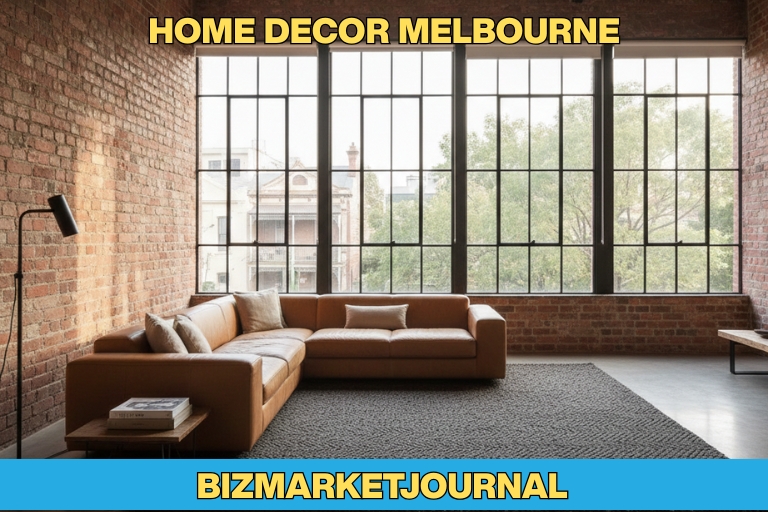
Industrial home decor Melbourne is strongly associated with converted warehouses and inner-city apartments. This style highlights raw materials and exposed structural elements.
Industrial decor commonly features:
- Metal and timber furniture
- Exposed brick or concrete finishes
- Neutral, darker colour palettes
- Statement lighting fixtures
This style is typically used selectively to avoid visual heaviness in smaller spaces.
Coastal and Minimalist Interiors
Coastal and minimalist home decor styles are frequently adopted in Melbourne’s suburban homes. These styles prioritise openness, natural light, and reduced visual clutter.
Coastal decor incorporates soft colour palettes and organic textures, while minimalist decor focuses on reducing decorative elements to essential items only.
Shared characteristics include:
- Light, airy colour schemes
- Limited decorative accessories
- Emphasis on natural light
- Simple, functional decor pieces
Summary
Popular home decor styles in Melbourne include Modern Australian, Scandinavian, Industrial, and Coastal or Minimalist interiors, each adapted to local housing types and lifestyle needs.

Key Takeaways
- Melbourne homes often blend multiple decor styles
- Modern Australian decor is the most versatile style locally
- Scandinavian and minimalist styles suit smaller urban homes
- Industrial decor is commonly used in inner-city settings
Pros and Cons
Pros
- Wide variety of adaptable decor styles
- Styles suit both apartments and larger homes
- Strong alignment with Australian lifestyle standards
Cons
- Some styles require careful scaling for small spaces
- Overuse of industrial elements can reduce visual comfort
Where to Buy Home Decor Melbourne
Home decor Melbourne is available through a combination of physical retail locations and online platforms. Buying options vary based on budget, style preference, and the level of customization required. Melbourne’s retail landscape supports both locally made decor and internationally sourced products, making it one of Australia’s most diverse home decor markets.
From an informational standpoint, understanding where to buy home decor Melbourne helps buyers compare quality, pricing, accessibility, and sustainability considerations. Local purchasing is often associated with better material transparency and faster availability.
Inner-City Decor Districts
Melbourne’s inner-city suburbs are well known for concentrated home decor retail zones. These areas typically feature curated collections aligned with contemporary and design-led decor trends.
Common characteristics of inner-city decor districts include:
- Emphasis on modern and designer home decor
- Higher proportion of Australian-made products
- Showroom-style retail environments
- Focus on quality materials and craftsmanship
Inner-city decor stores often cater to apartments and compact living spaces, offering scaled furniture and multifunctional decor items.
Suburban Home Decor Retail Areas
Suburban Melbourne provides broader access to large-format home decor retailers and independent decor outlets. These areas commonly serve family homes and larger interior spaces.
Suburban home decor retailers typically stock a wider range of decor sizes, styles, and price points. According to retail distribution patterns, these locations are designed for convenience, bulk purchasing, and complete room styling.
Typical suburban home decor offerings include:
- Larger furniture and statement decor pieces
- Coordinated decor collections
- Budget-to-mid-range pricing options
- Easy access and parking
Online Home Decor Options for Melbourne Buyers
Online home decor shopping is widely used across Melbourne due to convenience and expanded product selection. Many Melbourne-based retailers operate both physical stores and online platforms.
Online buying allows buyers to compare styles, materials, and prices efficiently. However, it requires careful review of dimensions, materials, and delivery policies.
Key considerations when buying decor online include:
- Accurate product measurements
- Material and care specifications
- Delivery timeframes within Melbourne
- Return and exchange policies
Summary
Home decor Melbourne can be purchased through inner-city design districts, suburban retail areas, and online platforms, each offering different advantages based on space, budget, and style needs.

Key Takeaways
- Inner-city areas focus on curated and design-led decor
- Suburban retailers offer scale, variety, and accessibility
- Online platforms provide convenience and broader selection
- Buyer needs determine the most suitable purchasing channel
Pros and Cons
Pros
- Wide availability across multiple buying formats
- Strong local retail presence in Melbourne
- Access to both Australian-made and global decor
Cons
- Inner-city decor can be higher priced
- Online purchases require careful specification review
Sustainable and Australian-Made Home Decor
Sustainable and Australian-made home decor plays a significant role in Melbourne’s home styling landscape. Buyers increasingly prioritise decor that aligns with environmental responsibility, ethical sourcing, and local manufacturing standards. In Melbourne, sustainability in home decor is closely linked to material selection, production processes, and product lifespan.
Home decor Melbourne that is sustainably produced often meets recognised Australian environmental and ethical benchmarks. According to industry sustainability frameworks, locally made decor typically offers greater transparency in sourcing and manufacturing.
Eco-Friendly Materials
Eco-friendly materials are a core component of sustainable home decor Melbourne. These materials are selected to minimise environmental impact while maintaining durability and visual appeal.
Common eco-friendly decor materials include:
- Reclaimed or recycled timber
- Natural fibres such as wool, cotton, and jute
- Low-VOC finishes and paints
- Recycled metals and glass
These materials are widely used in both furniture and decorative accessories, supporting healthier indoor environments.
Locally Made Decor Benefits
Australian-made home decor offers practical and environmental advantages for Melbourne buyers. Locally produced decor often reflects Australian design standards and is suited to local living conditions.
Locally made decor typically involves shorter supply chains, which reduces transport-related emissions. Based on observed market practices, Australian-made products also support quality control and material traceability.
Key benefits of locally made home decor include:
- Compliance with Australian manufacturing standards
- Reduced environmental impact
- Support for local designers and makers
- Improved product durability and longevity
Certifications and Standards
Sustainable home decor Melbourne is often identified through recognised certifications and standards. These benchmarks help buyers assess environmental and ethical compliance.
Common sustainability-related standards include:
- Australian environmental certification schemes
- Ethical sourcing and manufacturing standards
- Low-emission material ratings
- Sustainable forestry certifications
These standards provide a consistent framework for evaluating decor sustainability without relying on subjective claims.
Summary
Sustainable and Australian-made home decor Melbourne focuses on eco-friendly materials, ethical production, and compliance with recognised environmental standards.
Key Takeaways
- Sustainability is a key consideration in Melbourne home decor
- Eco-friendly materials support healthier indoor environments
- Australian-made decor offers transparency and quality assurance
- Certifications help validate sustainability claims
Pros and Cons
Pros
- Reduced environmental impact
- Higher material transparency
- Alignment with Australian standards
Cons
- Often higher upfront cost
- Limited availability for certain decor categories
How to Choose Home Decor for Melbourne Homes
Choosing home decor for Melbourne homes requires aligning aesthetic preferences with functional and environmental considerations. Melbourne’s varied housing sizes, architectural styles, and climate conditions mean decor choices must be practical, adaptable, and proportionate. From an industry perspective, effective home decor selection balances visual cohesion with everyday usability.
Home decor Melbourne is commonly selected based on space availability, material performance, and long-term maintenance requirements. These factors help ensure decor remains suitable across seasonal changes and different living arrangements.
Matching Decor to Home Size
Home size is a primary factor when selecting home decor Melbourne. Apartments, terraces, and detached homes require different decor scales and layouts to maintain comfort and visual balance.
Decor selection guidelines based on home size include:
- Smaller homes: compact, multifunctional decor items
- Medium-sized homes: modular decor with flexible placement
- Larger homes: statement pieces combined with layered accessories
Oversized decor in limited spaces can restrict movement and reduce functionality, as noted in residential styling best practices.
Choosing Materials for Melbourne’s Climate
Melbourne’s climate variability influences material performance and durability. Home decor materials must handle temperature shifts, humidity variation, and seasonal wear.
Material selection often prioritises breathable and low-maintenance options. According to Australian housing recommendations, natural and composite materials are preferred for their adaptability.
Climate-suitable decor materials include:
- Solid timber and engineered wood
- Natural textiles with thermal regulation properties
- Metal finishes with protective coatings
- Easy-care upholstery fabrics
Budget Planning for Home Decor
Budget planning is essential when choosing home decor Melbourne. Costs vary depending on material quality, sourcing, and design complexity.
Effective budget planning involves prioritising high-use decor items and balancing investment pieces with cost-efficient accessories.
Budget planning considerations include:
- Allocating higher budget to durable core items
- Using decorative accessories for visual updates
- Accounting for delivery and installation costs
- Planning decor upgrades in stages
Summary
Choosing home decor for Melbourne homes involves assessing space size, climate suitability, and budget to ensure long-term functionality and visual consistency.
Key Takeaways
- Decor scale should match home size and layout
- Material choice must suit Melbourne’s climate conditions
- Budget planning improves decor longevity and value
- Practical considerations support sustainable styling decisions
Common Mistakes to Avoid
- Selecting decor without measuring available space
- Ignoring material performance in changing climates
- Over-investing in trend-based decorative items
Home Decor Trends in Melbourne (Current & Emerging)
Home decor trends in Melbourne evolve in response to lifestyle shifts, housing density changes, and sustainability awareness. Current and emerging trends emphasise adaptability, material authenticity, and functional design. Melbourne’s decor trends are generally aligned with broader Australian interior movements but are adapted to urban living and local climate conditions.
Home decor Melbourne increasingly reflects a balance between visual simplicity and practical use. Trends are less focused on short-term aesthetics and more on long-term usability and environmental alignment.
Colour Palettes
Colour trends in Melbourne home decor prioritise neutral and nature-inspired tones. These palettes support light optimisation and visual continuity across different home types.
Commonly used colour palettes include:
- Warm neutrals such as beige, taupe, and soft grey
- Earth tones including clay, olive, and sand
- Muted accent colours for visual contrast
These palettes are selected to complement natural light variations and architectural features commonly found in Melbourne homes.
Textures and Materials
Texture layering is a defining trend in Melbourne home decor. Rather than relying on bold colours, decor trends emphasise material contrast and tactile variety.
Melbourne interiors commonly combine smooth and textured surfaces to create depth without visual clutter. According to interior styling practices, this approach enhances warmth and spatial interest.
Trending textures and materials include:
- Textured fabrics such as boucle and linen
- Raw or lightly finished timber
- Stone, ceramic, and matte metal finishes
Functional and Modular Decor
Functional and modular decor is increasingly popular in Melbourne due to space efficiency requirements. This trend supports flexible living arrangements, especially in apartments and multi-use spaces.
Modular decor allows homeowners to adapt layouts without replacing core items. Based on observed market patterns, this approach supports both sustainability and cost efficiency.
Examples of functional decor trends include:
- Modular shelving and storage systems
- Multi-purpose furniture pieces
- Adjustable lighting and decor elements
Summary
Home decor trends in Melbourne focus on neutral colour palettes, layered textures, and functional, modular decor designed for adaptable living.
Key Takeaways
- Melbourne decor trends prioritise longevity over novelty
- Neutral colours support diverse home styles
- Texture is used to add depth without clutter
- Modular decor aligns with urban living needs
Conclusion
Home decor Melbourne combines functionality, aesthetic appeal, and local contextual awareness. From modern Australian and Scandinavian-inspired styles to sustainable and locally made decor, homeowners in Melbourne have diverse options that suit urban apartments, suburban homes, and heritage terraces alike. Choosing home decor Melbourne with consideration for home size, climate, budget, and emerging trends ensures spaces are both stylish and practical.
By understanding local decor trends, sourcing options, and material sustainability, residents can create interiors that reflect personal taste while adhering to quality and environmental standards. With the right home decor Melbourne, it’s possible to design interiors that are both elegant and functional, making any home feel uniquely Melbourne.
FAQs
1. What is the best home decor style in Melbourne?
- Modern Australian and Scandinavian-inspired styles are among the most popular, offering adaptability for apartments and larger homes.
2. Where can I buy home decor Melbourne?
- Options include inner-city decor districts, suburban retail areas, and online platforms, each catering to different budgets and space requirements.
3. Is Australian-made home decor better?
- Locally made decor provides quality assurance, material transparency, and reduced environmental impact due to shorter supply chains.
4. How do I choose decor for a small Melbourne apartment?
- Focus on compact, multifunctional items, light colour palettes, and modular decor to optimise space and visual openness.
5. What materials are suitable for Melbourne’s climate?
- Breathable, natural textiles, solid timber, low-VOC finishes, and protective metals are recommended for durability and comfort.
6. Are sustainable home decor options widely available in Melbourne?
- Yes, many retailers offer eco-friendly and Australian-made decor that complies with recognised environmental and ethical standards.
7. What are current home decor trends in Melbourne?
- Neutral colour palettes, layered textures, and functional/modular decor are trending, with emphasis on adaptability and long-term usability.