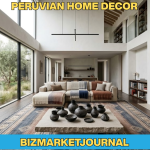
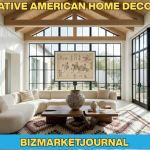
Global home decor refers to an interior design approach that blends cultural influences, materials, and aesthetics from multiple regions of the world into one cohesive living space. Instead of focusing on a single national style, global home decor integrates international elements to create layered, meaningful, and visually diverse interiors.
Clear Definition of Global Home Decor
Global home decor is a design style that incorporates:
- Cultural motifs and patterns from different continents
- Natural and artisan-made materials
- Textiles and craftsmanship rooted in regional traditions
- Neutral foundations mixed with globally inspired accents
- A balance between authenticity and modern functionality
In simple terms, global home decor combines world-inspired design elements into one harmonious interior environment.
Unlike single-style interiors such as Scandinavian design or Wabi-sabi, global home decor embraces cross-cultural fusion while maintaining design balance.
Core Characteristics of Global Home Decor
Global home decor typically includes:
- Layered textures such as rattan, linen, reclaimed wood, and terracotta
- Earth-tone color palettes inspired by Mediterranean, African, and Asian regions
- Handmade or artisan-crafted décor pieces
- Organic shapes and natural materials
- Minimal clutter with meaningful decorative items
At its foundation, global home decor emphasizes authenticity. Instead of mass-produced uniformity, it highlights craftsmanship and cultural storytelling through furniture, textiles, and accessories.
For example:
- Scandinavian interiors prioritize simplicity.
- Japanese interiors emphasize imperfection and nature.
- Mediterranean spaces highlight warmth and terracotta tones.
Global home decor thoughtfully merges these influences into a unified design language.
Why Global Home Decor Is Growing Worldwide
The rising popularity of global home decor is influenced by:
- Increased international travel and cultural exposure
- Growth of online marketplaces featuring artisan products
- Demand for sustainable and ethically sourced decor
- Desire for personalized, non-generic interiors
- Influence from design publications like Architectural Digest and Elle Decor
As documented by leading interior platforms, homeowners increasingly seek interiors that reflect cultural awareness and individuality rather than standardized modern minimalism.
Global home decor also aligns with sustainability trends supported by organizations such as World Green Building Council, which promote responsible material sourcing and eco-conscious design practices.

Summary: What Is Global Home Decor?
Global home decor is a world-inspired interior design style that blends cultural elements, natural materials, and artisan craftsmanship from multiple regions into one cohesive space. It focuses on authenticity, texture, sustainability, and personal expression.
Key Takeaways
- Global home decor combines multiple international styles.
- It emphasizes natural materials and handcrafted elements.
- Sustainability plays a major role in modern global home decor.
- The style balances cultural diversity with visual harmony.
- It differs from single-region design styles by embracing fusion.
Key Global Home Decor Styles Around the World
Global home decor draws inspiration from several distinct international styles. Understanding these foundations helps create an authentic and balanced space.
Scandinavian Design
Scandinavian design originates from Nordic countries and focuses on simplicity and functionality.
Key features include:
- Neutral color palettes (white, beige, soft gray)
- Light wood furniture
- Clean lines and minimal ornamentation
- Functional layouts
- Natural lighting emphasis
In global home decor, Scandinavian elements often serve as a neutral base that allows more vibrant cultural accents to stand out.
Japanese (Wabi-Sabi) Interiors
Wabi-sabi emphasizes imperfection, natural beauty, and simplicity.
Core elements:
- Organic textures
- Earthy tones
- Low-profile furniture
- Handmade ceramics
- Minimal decoration
Global home decor frequently incorporates Japanese influence to introduce calmness and organic authenticity into layered interiors.

Mediterranean Style
Mediterranean-inspired interiors reflect coastal regions of Southern Europe.
Characteristics:
- Terracotta flooring
- Warm earthy colors
- Arched architectural details
- Textured walls
- Rustic wooden furniture
In global home decor, Mediterranean elements contribute warmth and historical character.
Bohemian Global Decor
Bohemian style is often associated with eclectic and artistic expression.
Features include:
- Layered textiles
- Global patterns
- Vibrant colors
- Vintage furniture
- Handcrafted accessories
Bohemian influence adds vibrancy and pattern diversity to global home decor.
African-Inspired Interiors
African decor traditions bring bold textures and natural materials.
Common elements:
- Woven baskets
- Tribal patterns
- Wood carvings
- Earth-based pigments
- Organic fabrics
These components enhance the tactile richness of global home decor.
Modern Global Fusion
Modern global fusion blends traditional craftsmanship with contemporary layouts.
Key aspects:
- Clean architectural lines
- Neutral base palettes
- Carefully curated global accents
- Sustainable materials
- Minimal yet expressive styling
This approach ensures global home decor remains modern, balanced, and adaptable to urban living environments.

Style Comparison Table
| Style | Color Palette | Key Materials | Design Focus |
| Scandinavian | Light neutrals | Light wood, linen | Functionality |
| Japanese | Earth tones | Bamboo, ceramic | Simplicity |
| Mediterranean | Warm browns, terracotta | Stone, wood | Warmth |
| Bohemian | Vibrant mixes | Textiles, rattan | Expression |
| African | Deep earthy hues | Woven fibers | Texture |
Summary: Global Home Decor Styles
Global home decor integrates Scandinavian simplicity, Japanese minimalism, Mediterranean warmth, Bohemian vibrancy, and African texture into cohesive, culturally inspired interiors.
Key Takeaways
- Global home decor is rooted in multiple international design traditions.
- Each region contributes unique colors, materials, and aesthetics.
- Balance is essential when blending styles.
- A neutral base helps unify diverse influences.
- Sustainable and handcrafted elements enhance authenticity.
Core Elements of Global Home Decor
Global home decor is defined not only by cultural inspiration but by specific structural and material components. These elements create cohesion across diverse influences and ensure that global home decor remains balanced rather than chaotic.
Color Palettes by Region
Color plays a foundational role in global home decor. Different regions contribute distinct tonal identities.
Common regional palettes include:
- Scandinavian regions – soft whites, muted grays, pale woods
- Japanese interiors – warm beige, clay, charcoal, natural browns
- Mediterranean homes – terracotta, olive green, sandy neutrals
- African-inspired spaces – deep ochre, rust, burnt orange
- Bohemian global decor – jewel tones, indigo, layered patterns
In global home decor, these palettes are typically grounded with neutral bases to prevent visual overload. A soft, natural foundation allows stronger cultural tones to function as accents rather than dominate the space.

Materials & Textures
Global home decor emphasizes tactile richness through layered materials.
Common materials include:
- Rattan and wicker
- Reclaimed wood
- Linen and cotton textiles
- Terracotta and clay
- Bamboo and natural fibers
- Handwoven wool rugs
These materials reflect sustainability principles supported by organizations such as World Green Building Council, which advocate for environmentally responsible sourcing in interior design.
The texture layering in global home decor is intentional. Smooth ceramics are often paired with rough wood. Soft textiles contrast with structured furniture. This combination enhances depth without overwhelming the layout.
Furniture & Layout Principles
Furniture in global home decor prioritizes functionality and cultural authenticity.
Key principles include:
- Low-profile seating influenced by Japanese interiors
- Clean-lined wooden pieces inspired by Scandinavian design
- Hand-carved accents reflecting African craftsmanship
- Rustic tables influenced by Mediterranean homes
- Open layouts to maintain flow
Unlike highly ornamental traditional interiors, global home decor maintains spatial balance. Each furniture piece serves both aesthetic and practical roles.
Textiles & Patterns
Textiles are central to global home decor because they introduce cultural storytelling.
Common textile elements:
- Moroccan-style rugs
- Indian block prints
- Turkish kilim patterns
- African mud cloth
- Scandinavian woven throws
Patterns are typically layered thoughtfully rather than randomly mixed. Global home decor relies on harmony between bold prints and neutral surfaces to maintain cohesion.
Decorative Accessories
Accessories complete the identity of global home decor.
Examples include:
- Handcrafted pottery
- Woven baskets
- Artisan wall art
- Cultural sculptures
- Indoor plants supporting biophilic design
Global home decor integrates these accessories sparingly to avoid clutter. Each item should have cultural significance or artisanal value.
Summary: Core Elements of Global Home Decor
Global home decor combines regional color palettes, natural materials, handcrafted furniture, layered textiles, and meaningful accessories. Balance and authenticity are essential to prevent overmixing and maintain visual harmony.
Key Takeaways
- Color foundations anchor global home decor.
- Texture layering defines depth.
- Sustainable materials enhance authenticity.
- Furniture should be functional and culturally rooted.
- Accessories must be intentional, not excessive.
How to Incorporate Global Home Decor Into Your Home
Incorporating global home decor requires structured planning rather than random mixing. A room-by-room strategy ensures that universal home decor remains cohesive and visually balanced.
Living Room Styling
The living room is the easiest place to introduce global home decor elements.
Recommended steps:
- Start with a neutral sofa
- Add a globally inspired rug
- Introduce textured throw pillows
- Use wooden or rattan accent furniture
- Add artisan-crafted decor pieces
A Scandinavian-style base paired with globally sourced textiles creates layered warmth without overcrowding the space.
Bedroom Design Approach
In bedrooms, global home decor focuses on comfort and calmness.
Key elements:
- Linen or cotton bedding
- Earth-tone palettes
- Handmade bedside lamps
- Low-profile wooden bed frames
- Minimal wall clutter
Japanese-inspired simplicity combined with Mediterranean warmth can create a balanced universal home decor bedroom environment.
Kitchen & Dining Areas
Global home decor in kitchens emphasizes materials and craftsmanship.
Practical ideas:
- Open wooden shelving
- Handmade ceramic dishware
- Terracotta planters
- Textured dining table runners
- Woven pendant lighting
Universal home decor in dining spaces often highlights communal warmth and natural textures rather than overly modern finishes.
Small Spaces Strategy
For smaller homes, global home decor should be carefully edited.
Best practices:
- Limit dominant patterns
- Use multifunctional furniture
- Keep color palettes consistent
- Incorporate vertical storage
- Focus on one cultural accent theme
Over-layering in compact spaces can disrupt balance. Worldwide home decor in small areas benefits from restraint and clarity.
Budget-Friendly Implementation
Global home decor does not require expensive imports.
Cost-effective methods include:
- Supporting local artisans
- Repurposing vintage furniture
- Using handmade DIY textiles
- Choosing sustainable materials
- Gradually adding cultural accents
According to design industry observations, intentional sourcing often results in more meaningful interiors than mass purchasing.
Step-by-Step Implementation Table
| Step | Action | Purpose |
| 1 | Choose neutral base | Create cohesion |
| 2 | Select one dominant cultural influence | Prevent overmixing |
| 3 | Layer textiles | Add depth |
| 4 | Introduce artisan accessories | Enhance authenticity |
| 5 | Edit and refine | Maintain balance |
Summary: Incorporating Global Home Decor
Global home decor should be introduced gradually through neutral foundations, layered textures, artisan elements, and thoughtful editing. Structured implementation ensures harmony across different cultural influences.
Key Takeaways
- Begin with a neutral base.
- Add one cultural influence at a time.
- Prioritize sustainable and handcrafted items.
- Avoid overcrowding small spaces.
- Refine and edit to maintain balance.
Global Home Decor Trends in 2026
Global home decor trends in 2026 focus on sustainability, cultural authenticity, and personalized interiors. Designers and homeowners are increasingly blending global styles while emphasizing environmentally conscious and ethically sourced materials. Staying updated with these trends ensures interiors remain modern, relevant, and visually appealing.
Sustainable & Ethical Decor
Sustainability is a key driver in global home decor for 2026. Key practices include:
- Using reclaimed or upcycled wood
- Choosing organic textiles like linen, cotton, and bamboo
- Supporting fair-trade artisan products
- Reducing plastic and synthetic materials
- Incorporating indoor plants to enhance air quality
According to World Green Building Council, sustainable materials are increasingly sought by global homeowners, combining environmental responsibility with cultural authenticity.
Artisan Craft Revival
Handcrafted elements are central to global decor trends:
- Woven baskets, rugs, and wall hangings
- Handmade ceramics and pottery
- Carved wooden furniture
- Hand-embroidered cushions and throws
Artisan crafts not only add texture but also tell a story about regional traditions. Incorporating them into interiors elevates international home decor beyond aesthetics to meaningful cultural expression.
Earth-Tone Dominance
Neutral and earthy colors dominate global decor in 2026:
- Terracotta, sand, olive, and clay
- Soft greys and off-whites as grounding tones
- Accents in deep jewel tones or muted blues
Earth-tone palettes create a calming foundation, allowing culturally inspired textures and patterns to stand out without overwhelming the room.
Cultural Storytelling in Interiors
Global home decor now emphasizes storytelling:
- Each room can reflect a specific cultural influence
- Display objects from travels or artisan markets
- Mix patterns and textures intentionally to convey a narrative
This trend aligns with the modern homeowner’s desire for spaces that are personal, expressive, and globally inspired.
Mixed-Era Fusion Design
Combining contemporary furniture with traditional accents is trending:
- Modern minimalism paired with ethnic textiles
- Mid-century furniture with handmade global decor
- Simple color foundations enhanced by layered cultural artifacts
Mixed-era design ensures worldwide home decor remains timeless while embracing modern functionality.
Summary: 2026 Trends in Global Home Decor
Key 2026 trends include sustainability, artisan craftsmanship, earth-tone palettes, cultural storytelling, and mixed-era fusion. Homes are becoming spaces that are environmentally responsible, culturally rich, and visually harmonious.
Key Takeaways
- Sustainability and ethical sourcing are central.
- Artisan crafts provide cultural depth and texture.
- Earth tones dominate, balancing bolder accents.
- Cultural storytelling enhances personalization.
- Modern and traditional elements can coexist seamlessly.
Benefits of Choosing Global Home Decor
Global home decor offers multiple advantages beyond visual appeal, making it an increasingly popular choice worldwide.
Cultural Expression
By incorporating elements from different cultures:
- Homes reflect global awareness
- Interiors tell a personal or familial story
- Cultural diversity is celebrated through design
Personalization
- Every home becomes unique
- Layered textures and patterns allow creative freedom
- Individuals can highlight regions or styles they resonate with
Sustainability
- Encourages use of eco-friendly materials
- Promotes artisan craftsmanship and fair trade
- Reduces reliance on mass-produced decor
Timeless Appeal
- Styles blend harmoniously without strict adherence to trends
- Interiors remain visually pleasing across years
- Fusion of classic and modern elements ensures longevity
Summary: Benefits of Global Home Decor
Global home decor provides cultural depth, personalized interiors, sustainability, and lasting aesthetic appeal. It combines meaningful design with practical and environmental considerations.
Key Takeaways
- Universal home decor reflects cultural diversity.
- It allows creative and personal expression.
- Sustainable practices are built into the style.
- Interiors remain timeless and adaptable.
- Artisan and handcrafted elements enhance authenticity.
Common Mistakes in Global Home Decor
Even though universal home decor celebrates diversity and creativity, several common mistakes can undermine the harmony and effectiveness of a space. Recognizing these pitfalls helps maintain balance and authenticity.
Overmixing Styles
A frequent mistake is trying to combine too many global styles at once:
- Using multiple strong cultural influences without a neutral base
- Placing clashing patterns or textures together
- Ignoring color palette consistency
Tip: Start with one dominant cultural influence and layer complementary accents gradually.
Cultural Misinterpretation
Misrepresenting or misusing cultural elements can dilute authenticity:
- Using decor items without understanding their cultural significance
- Mixing sacred symbols or traditional crafts incorrectly
- Overcommercializing cultural motifs
Authentic worldwide home decor requires research and respectful integration.
Cluttered Layouts
Excessive decorative items can make spaces feel chaotic:
- Overloading walls with multiple artifacts
- Filling every surface with decor
- Neglecting functional space
A minimalist approach to placement ensures cultural pieces stand out and maintain balance.
Ignoring Balance
Global home decor should achieve harmony between:
- Furniture, textiles, and accessories
- Color tones and material textures
- Traditional and modern elements
Without balance, even high-quality decor can feel disorganized or overwhelming.
Summary: Common Mistakes
Key mistakes include overmixing styles, cultural misinterpretation, cluttered layouts, and ignoring balance. Correcting these ensures a cohesive and authentic global interior.
Key Takeaways
- Avoid excessive style combinations.
- Respect cultural origins and significance.
- Keep layouts functional and uncluttered.
- Prioritize balance between elements.
- Gradual layering enhances cohesion.
Global Home Decor vs Modern Interior Design
While global home decor emphasizes cultural diversity and authenticity, modern interior design focuses on simplicity, functionality, and minimalism. Understanding the differences helps homeowners choose or blend styles appropriately.
Key Differences
| Aspect | Worldwide Home Decor | Modern Interior Design |
| Style Basis | Cultural influences from multiple regions | Contemporary design, minimalism |
| Color Palette | Layered, earthy, vibrant accents | Neutral, monochromatic |
| Furniture | Handcrafted, artisan, culturally inspired | Sleek, functional, minimal |
| Decor Elements | Textiles, patterns, global accessories | Simple, geometric, limited decoration |
| Focus | Personal storytelling, cultural expression | Efficiency, openness, visual simplicity |
Which Is Right for You?
- Choose global home decor if you want a personalized, culturally rich, and layered interior.
- Choose modern design if you prefer clean, functional, and minimalist spaces.
- Many homeowners blend both: a neutral modern base enhanced with global accent pieces creates a balanced, contemporary global aesthetic.
Summary: Global vs Modern
Global home decor prioritizes culture, authenticity, and layered textures. Modern interiors prioritize minimalism, simplicity, and function. Both can coexist when implemented thoughtfully.
Key Takeaways
- Global decor emphasizes cultural diversity; modern design emphasizes simplicity.
- Furniture and textures differ significantly between the two styles.
- Color palettes are layered in global decor and minimal in modern interiors.
- Blending both styles can achieve a balanced, contemporary aesthetic.
- Personal preference and functional needs should guide style choice.
Conclusion
Global home decor is an interior design approach that blends cultural influences, natural materials, and artisan craftsmanship from around the world. By incorporating elements from Scandinavian, Japanese, Mediterranean, Bohemian, and African styles, homeowners can create interiors that are visually rich, sustainable, and highly personalized.
The key to successful international home decor is balance—layering textures, patterns, and colors intentionally while maintaining a neutral foundation. Sustainability, ethical sourcing, and cultural authenticity are central trends in 2026, ensuring that global interiors are not only aesthetically appealing but also responsible and meaningful.
By following the principles outlined in this guide, any homeowner can transform their space into a globally inspired, cohesive, and timeless interior.
FAQs
1. What is global home decor?
Global home decor is a design approach that incorporates cultural influences, materials, and aesthetics from multiple regions worldwide. It emphasizes authenticity, layered textures, and artisan-crafted elements.
2. How do you decorate a home with global style?
Start with a neutral base, select one or two dominant cultural influences, layer textiles and accessories, and maintain balance to prevent visual chaos.
3. What are international interior design trends for 2026?
Key trends include sustainability, artisan craftsmanship, earth-tone color palettes, cultural storytelling, and mixed-era design blending traditional and contemporary elements.
4. Is global decor the same as bohemian style?
No. Bohemian style is one of several influences within global decor. Global decor combines multiple cultural styles, including Bohemian, Scandinavian, Japanese, and Mediterranean, into a cohesive space.
5. What colors are commonly used in global home decor?
Earth tones dominate (terracotta, beige, olive, clay), complemented by muted neutrals and culturally inspired accent colors such as indigo, jewel tones, or vibrant patterns.
6. How do you mix different cultural decor styles?
Layer one primary style with complementary accents from other cultures. Use neutral foundations, balance textures, and avoid overmixing to maintain cohesion.
7. Is global home decor expensive?
Not necessarily. By sourcing sustainable, handmade, or locally crafted items and gradually adding cultural elements, global decor can be both affordable and meaningful.
References
- Architectural Digest – International home decor trends and design guides
- Elle Decor – Global interior design insights and style inspiration
- World Green Building Council – Sustainable materials and eco-friendly interior design practices