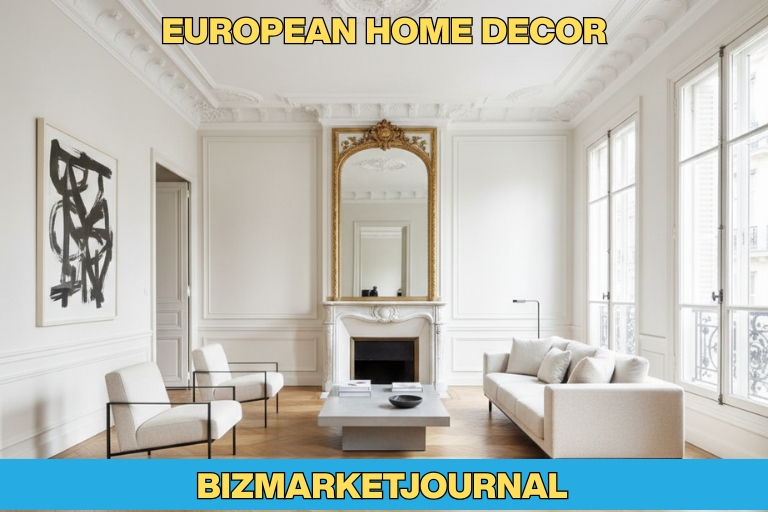
European home decor is an interior design style inspired by diverse aesthetics across Europe, combining elegance, comfort, and functionality. It emphasizes high-quality materials, harmonious color palettes, and thoughtfully arranged furniture. The style varies significantly by region, reflecting local traditions, climate, and cultural preferences. Common elements include natural textures, classic patterns, and balanced layouts that create inviting, stylish living spaces.
Summary
- Definition: European home decor = elegant, functional interiors inspired by European regions
- Focus: Materials, colors, furniture, and layout principles
- Variations: Regional influences shape style differences
- Key Features:
- Elegance and sophistication with a functional approach
- Use of natural materials like wood, linen, and stone
- Balanced furniture placement emphasizing flow and space
- Harmonious color schemes: neutrals, pastels, or warm accents
- Elegance and sophistication with a functional approach
- Regional Influence:
- Scandinavian: Minimalist, light, and airy
- French: Cozy, vintage-inspired, ornate details
- Italian: Luxurious, bold, and statement-focused
- Mediterranean: Warm, vibrant, and nature-inspired
- Scandinavian: Minimalist, light, and airy
Key Takeaways:
- European home decor is not a single style—it’s a spectrum influenced by regional traditions.
- Focuses on combining aesthetics with functionality.
- Uses natural materials, thoughtful layouts, and elegant color palettes.
Also Read: Home Decor Melbourne – Styles, Trends Guide
Top European Home Decor Styles by Region
European home decor encompasses a variety of regional styles, each reflecting local culture, climate, and history. Scandinavian interiors are minimalist and functional, prioritizing light and airy spaces. French decor blends elegance with cozy, vintage-inspired furniture. Italian interiors emphasize luxury, bold design, and craftsmanship. Mediterranean homes focus on warmth, vibrant colors, and natural materials that create inviting environments. Understanding these distinctions helps homeowners implement authentic European aesthetics.
Summary
- Scandinavian: Minimalist, functional, bright
- French: Elegant, cozy, vintage-inspired
- Italian: Luxurious, bold, statement-focused
- Mediterranean: Warm, vibrant, natural-material-driven

1. Scandinavian Design
- Minimalist approach with functional furniture
- Light color palettes: whites, greys, soft blues
- Natural textures: wood, wool, linen
- Emphasis on natural light and clean lines
2. French Provincial / French Home Decor
- Cozy and elegant furniture with vintage touches
- Soft neutrals with pastel accents
- Ornate details on cabinets, mirrors, and textiles
- Warm, inviting spaces suitable for entertaining
3. Italian Interiors
- Bold design elements and luxurious materials
- Dark woods, leather furniture, marble accents
- Statement furniture pieces and large-scale art
- Balance of elegance and comfort
4. Mediterranean Style
- Warm, earthy tones: terracotta, ochre, sea-inspired blues
- Natural materials: stone, clay, wood
- Open, airy layouts with indoor-outdoor flow
- Decorative tiles, textured fabrics, and wrought iron accents
Comparison Table:
| Style | Key Features | Colors | Materials | Furniture Style |
| Scandinavian | Minimalist, functional | Whites, greys, soft blues | Wood, wool, linen | Simple, clean-lined |
| French | Elegant, cozy, vintage-inspired | Neutrals, pastels | Wood, textiles, metals | Ornate, antique-inspired |
| Italian | Luxurious, bold | Dark woods, leather | Marble, wood, leather | Statement, high-end |
| Mediterranean | Warm, vibrant, nature-inspired | Terracotta, blues, ochre | Stone, clay, wood | Rustic, handcrafted |
Key Takeaways:
- Regional styles define the look and feel of European interiors.
- Scandinavian = minimal & functional, French = cozy & elegant, Italian = luxurious & bold, Mediterranean = warm & natural.
- Understanding materials, colors, and furniture is essential for authentic decor.
Key Materials, Textures, and Fabrics in European Interiors
Materials, textures, and fabrics are fundamental to achieving authentic European home decor. Different regions emphasize distinct textures that complement their climate and style. Natural materials like wood, stone, and linen are commonly used across all European designs, while metals and glass add sophistication. Fabrics, from soft cotton to luxurious velvet, define comfort and elegance. Choosing the right combination ensures a cohesive and timeless interior.
Summary
- Natural Materials: Wood, stone, clay
- Fabrics: Linen, cotton, velvet
- Accents: Metals, glass, ceramics
- Purpose: Adds texture, warmth, and style authenticity
1. Wood
- Primary material in Scandinavian, French, and Italian interiors
- Common types: oak, walnut, pine
- Used for furniture, flooring, and decorative elements
- Provides warmth, durability, and natural beauty
2. Stone & Marble
- Popular in Italian and Mediterranean homes
- Used for countertops, floors, and accent walls
- Adds elegance, sophistication, and a durable surface
3. Fabrics & Textiles
- Linen: Lightweight, breathable, ideal for curtains and upholstery
- Velvet: Luxurious texture for furniture and accent pieces
- Cotton: Versatile, comfortable, widely used in all regions
4. Metals & Glass
- Metals: Brass, wrought iron, or chrome for furniture, lighting, and decor
- Glass: Mirrors, vases, and tabletops to reflect light and add visual space
- Often paired with wood or stone for contrast
Step-by-Step Table:
| Step | Action | Tip |
| 1 | Identify your target style | e.g., Scandinavian = light woods |
| 2 | Select primary material | Wood or stone for furniture and flooring |
| 3 | Add complementary textures | Linen curtains, velvet cushions |
| 4 | Choose accents | Metals and glass for contrast |
| 5 | Maintain balance | Avoid overloading with too many textures |
Key Takeaways:
- European home decor emphasizes natural materials, elegant fabrics, and complementary accents.
- Wood, stone, and textiles define the tactile and visual experience of a room.
- Thoughtful layering of materials and textures enhances authenticity and style cohesion.

European Home Decor Color Palettes: How to Choose the Perfect Scheme
Color palettes are a defining feature of European home decor, setting the mood and character of a space. Each style has its characteristic hues: Scandinavian interiors favor light and neutral tones, French designs lean toward soft pastels, Italian homes incorporate bold, rich shades, and Mediterranean decor emphasizes warm earthy colors. Combining primary, secondary, and accent colors thoughtfully ensures harmony, depth, and authenticity in your interiors.
Summary
- Scandinavian: Whites, greys, soft blues
- French: Neutrals, pastels
- Italian: Bold, rich shades
- Mediterranean: Terracotta, ochre, sea blues
- Purpose: Enhances mood, creates harmony, reflects regional authenticity
1. Neutral Tones
- Base for Scandinavian and French interiors
- Whites, beiges, soft greys create airy, open spaces
- Pair with wood textures for warmth
2. Pastel Shades
- Popular in French Provincial interiors
- Light pinks, muted blues, soft greens
- Adds subtle elegance without overpowering
3. Bold & Rich Colors
- Common in Italian decor for furniture, rugs, and artwork
- Deep reds, navy, emerald, and gold accents
- Adds luxury, drama, and statement appeal
4. Warm Earthy Tones
- Mediterranean style relies on terracotta, ochre, sand, and warm blues
- Complements natural stone, wood, and clay elements
- Creates inviting, sunlit interiors
Comparison Table:
| Style | Base Colors | Accent Colors | Mood / Feel |
| Scandinavian | White, grey, beige | Soft blues, greens | Bright, airy, minimalist |
| French | Neutrals, pastel pink | Muted blues, soft greens | Elegant, cozy, gentle |
| Italian | Bold reds, navy, cream | Gold, deep green | Luxurious, dramatic, rich |
| Mediterranean | Terracotta, ochre | Sea blues, sandy tones | Warm, vibrant, inviting |
Key Takeaways:
- European interiors use color to define style, mood, and regional authenticity.
- Neutral and pastel shades create calm, elegant spaces, while bold or earthy tones add drama and warmth.
- Pairing colors with textures and materials ensures a cohesive, stylish interior.

Furniture and Layout Principles in European Home Decor
Furniture and layout are core elements of European home decor, reflecting both style and functionality. European interiors prioritize balance, proportion, and the flow of space. Furniture is carefully selected to complement the room’s aesthetic while maintaining comfort. Minimalist designs dominate Scandinavian homes, ornate pieces define French interiors, bold statement furniture appears in Italian spaces, and Mediterranean decor emphasizes handcrafted, rustic pieces. Proper placement ensures both visual harmony and practical use of space.
Summary
- Focus: Balance, proportion, flow
- Furniture styles: Vary by region (minimalist to ornate)
- Goal: Combine aesthetics with functionality
- Key Principle: Thoughtful placement enhances space and style
1. Scandinavian Furniture & Layout
- Simple, functional pieces with clean lines
- Light wood finishes and modular designs
- Minimal clutter for an airy, spacious feel
- Open floor plans and natural light maximization
2. French Furniture & Layout
- Vintage or antique-inspired pieces
- Curved lines, ornate details, and soft upholstery
- Furniture arranged to create intimate conversation areas
- Emphasis on elegance and comfort
3. Italian Furniture & Layout
- Bold, statement-making furniture and luxury materials
- Symmetrical arrangements to highlight focal points
- Combination of large-scale pieces with smaller accent items
- Strong focus on artistic and design statement
4. Mediterranean Furniture & Layout
- Handcrafted wood, wrought iron, and rustic pieces
- Furniture encourages socializing and indoor-outdoor living
- Open, airy layouts with minimal barriers
- Textured surfaces complement color schemes
Step-by-Step Table:
| Step | Action | Tip |
| 1 | Identify focal point | Fireplace, large window, or artwork |
| 2 | Select main furniture | Sofa, dining table, or bed |
| 3 | Arrange secondary furniture | Chairs, side tables, storage units |
| 4 | Maintain balance & flow | Avoid overcrowding; allow clear pathways |
| 5 | Add accents | Rugs, cushions, lighting for style coherence |
Key Takeaways:
- Furniture style and placement vary by region but always focus on balance and comfort.
- Minimalist Scandinavian, ornate French, luxurious Italian, and rustic Mediterranean layouts each create unique spatial experiences.
- Proper arrangement maximizes both aesthetic appeal and functionality.

Lighting and Accessories: Adding the Finishing Touch
Lighting and accessories play a crucial role in completing European home decor. Proper lighting highlights architectural features, materials, and textures, while accessories personalize and elevate the space. European interiors combine natural light with layered artificial lighting, such as chandeliers, sconces, and table lamps. Accessories like rugs, cushions, artwork, mirrors, and decorative objects reinforce the style, add warmth, and create visual interest.
Summary
- Lighting: Layered natural and artificial lighting
- Accessories: Rugs, cushions, artwork, mirrors, decorative objects
- Purpose: Highlight materials, enhance mood, personalize space
- Style Impact: Completes the look and reinforces regional decor
1. Lighting
- Scandinavian: Maximize natural light; simple pendant lamps and floor lamps
- French: Chandeliers and wall sconces with ornate detailing; warm, soft glow
- Italian: Statement chandeliers or artistic fixtures; layered lighting for drama
- Mediterranean: Wrought iron fixtures, lantern-style lights; natural light emphasized
2. Accessories
- Rugs: Define areas and add texture; neutral or patterned depending on style
- Cushions & Throws: Add comfort and color coordination
- Artwork & Mirrors: Reflect style and enhance visual space
- Decorative Items: Vases, ceramics, plants, and curated collectibles
3. Textiles & Fabrics
- Linen, cotton, and wool for soft furnishings
- Velvet and brocade for French and Italian luxury accents
- Textured fabrics in Mediterranean decor for warmth and authenticity
Step-by-Step Table:
| Step | Action | Tip |
| 1 | Assess natural light | Maximize windows, mirrors for reflection |
| 2 | Add primary lighting | Ceiling lamps, chandeliers |
| 3 | Add secondary lighting | Table lamps, floor lamps, sconces |
| 4 | Choose accessories | Rugs, cushions, artwork, decorative items |
| 5 | Layer textures and fabrics | Mix soft furnishings with hard materials |
Key Takeaways:
- Lighting and accessories define mood and style in European homes.
- Proper layering of natural and artificial light enhances space and ambiance.
- Carefully chosen accessories personalize interiors while reinforcing regional aesthetics.
Modern vs. Traditional European Home Decor: Trends Explained
European home decor blends traditional elegance with modern functionality. Traditional decor emphasizes ornate furniture, rich materials, and classic color schemes, while modern interpretations focus on minimalism, clean lines, and neutral palettes. Many contemporary European interiors combine both approaches—retaining heritage elements like antique furniture or decorative moldings while integrating modern lighting, sustainable materials, and open layouts. Understanding the distinction helps homeowners create a space that balances timeless style with current trends.
Summary
- Traditional Decor: Ornate, classic, rich textures
- Modern Decor: Minimalist, clean lines, neutral colors
- Hybrid Approach: Combines heritage elements with contemporary updates
- Purpose: Achieve timeless style while maintaining modern functionality
1. Traditional European Home Decor
- Focus on craftsmanship and ornamental details
- Rich fabrics: velvet, brocade, and embroidered textiles
- Darker wood furniture and classic color schemes
- Room layouts emphasize symmetry and formal arrangements
2. Modern European Home Decor
- Minimalist furniture with functional design
- Light and neutral color palettes with subtle accents
- Open-plan layouts to maximize space and natural light
- Emphasis on sustainable materials and energy-efficient solutions
3. Trend Integration
- Mix antique or heritage furniture with modern lighting and accessories
- Combine traditional patterns with contemporary color schemes
- Maintain balance between ornate details and clean lines
- Incorporate smart home features without disrupting the aesthetic
Comparison Table:
| Aspect | Traditional Decor | Modern Decor | Hybrid Trend |
| Furniture | Ornate, dark woods | Minimal, functional | Antique pieces paired with modern lines |
| Colors | Rich, deep tones | Neutral, soft shades | Neutrals with select bold accents |
| Layout | Symmetrical, formal | Open-plan, airy | Balance of flow and structure |
| Fabrics | Velvet, brocade, embroidery | Linen, cotton, wool | Blend of heritage textiles and modern fabrics |
| Accessories | Chandeliers, classic art, mirrors | Minimal decor, statement lighting | Select traditional pieces with modern accents |
Key Takeaways:
- Traditional decor emphasizes luxury, heritage, and detail; modern decor prioritizes simplicity, function, and light.
- Many European homes adopt a hybrid approach to combine the best of both worlds.
- Understanding these trends helps create interiors that are stylish, functional, and timeless.
Budget-Friendly European Home Decor Tips
Achieving European home decor doesn’t require a luxury budget. By strategically choosing materials, furniture, and accessories, you can create a stylish European-inspired interior at an affordable cost. Focus on key elements like color palettes, lighting, and texture layering to emulate the look. Upcycling, DIY projects, and selective statement pieces allow homeowners to capture elegance and regional style without overspending. Thoughtful planning ensures functionality and aesthetic appeal within any budget.
Summary
- Focus: Key elements, not luxury-only items
- Strategies: Upcycling, DIY, selective statement pieces
- Goal: Emulate European style affordably
- Tip: Prioritize lighting, color, and texture for high impact
1. Prioritize Key Statement Pieces
- Choose one or two furniture items to define the room (e.g., sofa, armchair)
- Invest slightly more in these pieces for quality and style
- Balance with budget-friendly secondary furniture
2. DIY and Upcycling
- Refurbish old furniture with paint or new upholstery
- Create custom decor items like shelves, mirrors, or wall art
- Adds personality while saving money
3. Use Affordable Materials Wisely
- Substitute marble with faux stone or laminates
- Mix natural wood with engineered or reclaimed wood
- Use textiles like cotton or linen instead of expensive silk or velvet
4. Focus on Color and Accessories
- Paint walls in signature European palettes for immediate transformation
- Use rugs, cushions, and throws to add style affordably
- Mirrors and lighting enhance perceived space without major investment
Step-by-Step Table: Budget-Friendly European Home Decor
| Step | Action | Tip |
| 1 | Identify focal areas | Living room or bedroom as priority |
| 2 | Select key statement furniture | Sofa, dining table, or accent chair |
| 3 | Incorporate affordable materials | Faux finishes, reclaimed wood |
| 4 | Layer colors and textures | Paint, rugs, cushions for style |
| 5 | Add accessories and lighting | Mirrors, lamps, vases for visual impact |
Key Takeaways:
- European home decor style can be achieved on any budget by focusing on statement pieces, DIY projects, and smart material choices.
- Color palettes, accessories, and lighting offer high impact without high cost.
- Thoughtful planning balances elegance, functionality, and affordability.
Incorporating European Home Decor in Small Spaces
European home decor can be adapted beautifully for small spaces by prioritizing functionality, light, and proportion. Compact rooms benefit from minimalist furniture, multifunctional pieces, and clever storage solutions. Light color palettes, mirrors, and natural light make spaces appear larger, while carefully chosen accessories add style without clutter. Understanding how to balance aesthetics and practicality allows even small homes to reflect European elegance and regional charm.
Summary
- Focus: Functionality, light and and proportion inspired by European home decor
- Furniture: Minimalist, multifunctional
- Trick: Use mirrors and light colors to create spaciousness
- Goal: Maintain style without clutter
1. Maximize Natural Light
- Keep windows unobstructed and use light curtains
- Mirrors reflect light and visually expand the room
- Scandinavian and Mediterranean styles especially benefit from bright, airy spaces
2. Choose Multi-Functional Furniture
- Sofa beds, nesting tables, and foldable desks
- Storage-integrated furniture like ottomans or benches
- Keeps rooms uncluttered while maintaining style
3. Apply Light and Neutral Colors
- Whites, soft greys, and beige expand visual space
- Pastel accents add warmth without overwhelming
- Italian and French styles can use small bold accents strategically
4. Minimize Excess Accessories
- Focus on a few statement items rather than many small decorations
- Use wall-mounted shelves to free floor space
- Select mirrors, art, or textiles that add visual depth
Step-by-Step Table:
| Step | Action | Tip |
| 1 | Evaluate space limitations | Measure rooms and identify key areas |
| 2 | Select compact, multifunctional furniture | Prioritize items that serve multiple purposes |
| 3 | Maximize light and color | Light walls, mirrors, and reflective surfaces |
| 4 | Choose impactful accessories | Statement rugs, cushions, or artwork |
| 5 | Maintain balance and flow | Avoid clutter and overcrowding |
Key Takeaways:
- European home decor can thrive in small spaces with thoughtful furniture, light, and color.
- Multi-functional pieces and minimal accessories maximize both style and practicality.
- Proper planning ensures elegance and regional authenticity even in compact homes.
Conclusion
European home decor combines elegance, functionality, and regional character to create timeless interiors. By understanding styles from Scandinavian minimalism to Mediterranean warmth, selecting the right materials, colors, furniture, and lighting, and adapting trends to your space and budget, anyone can bring authentic European charm into their home. Thoughtful planning, balance, and attention to detail are the keys to achieving both beauty and comfort.
FAQs
1. What is European home decor?
European home decor is an interior design approach inspired by styles across Europe, emphasizing elegance, functionality, regional materials, and harmonious color schemes.
2. What are the main European home decor styles?
The main styles include Scandinavian (minimalist), French (cozy and elegant), Italian (luxurious and bold), and Mediterranean (warm and vibrant).
3. How can I achieve European home decor on a budget?
Focus on key statement pieces, DIY projects, upcycling furniture, using affordable materials, and layering color and accessories strategically.
4. Which colors are commonly used in European interiors?
Scandinavian: light neutrals; French: soft pastels; Italian: bold and rich shades; Mediterranean: earthy tones and sea-inspired blues.
5. How do I decorate a small space in European style?
Use light colors, multifunctional furniture, mirrors to expand the space, and minimal yet impactful accessories.
6. What materials are essential for European home decor?
Wood, stone, linen, cotton, velvet, metals, and glass are widely used to add texture, warmth, and authenticity.
7. How can I blend modern and traditional European home decor?
Combine heritage furniture and classic details with modern lighting, open layouts, and minimalist accents to create a balanced, timeless look.