
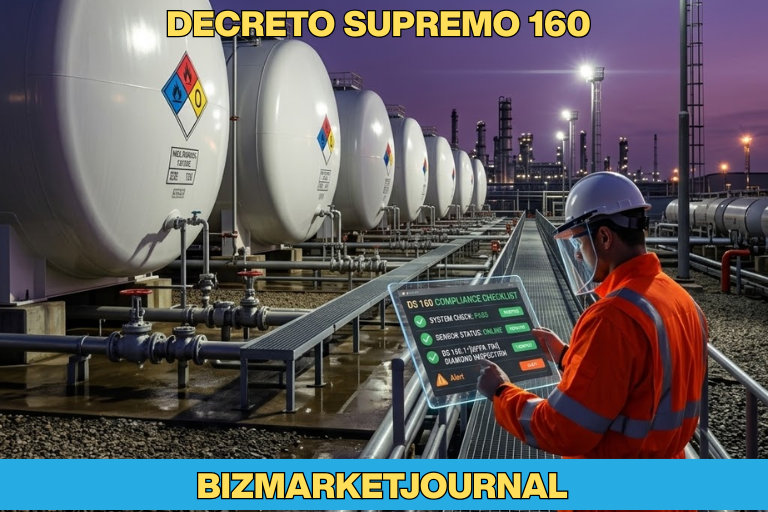
decreto supremo 160 is a technical regulation that establishes rules for the storage, handling, transportation, and safety of liquid fuels. The regulation aims to reduce industrial risks, prevent accidents, and ensure that facilities handling fuels comply with established safety and operational standards.
Introduction
The decreto supremo 160 is a regulatory framework that defines safety requirements for the handling and management of liquid fuels. It is part of the broader energy regulations in Chile Government of Chile – Energy Sector and sets technical standards for facilities involved in storing, distributing, or using fuels in industrial and commercial operations.
The purpose of decreto supremo 160 is to ensure that activities involving fuels are conducted under conditions that reduce risks to people, infrastructure, and the environment. The regulation also establishes operational procedures that companies must follow to maintain safe fuel management systems.
Within the energy and industrial sectors, decreto supremo 160 functions as a regulatory guideline that determines how fuel storage systems, facilities, and operational processes should be designed, installed, and maintained.
Key Takeaways
- decreto supremo 160 regulates safety in the handling of liquid fuels.
- It establishes technical standards for storage and transportation systems.
- The regulation applies to industrial facilities and companies working with fuels.
- decreto supremo 160 aims to prevent operational risks and accidents.
What Is decreto supremo 160
The decreto supremo 160 is a technical regulation that defines rules for the storage, handling, distribution, and safety of liquid fuels in industrial and commercial facilities. This regulation specifies the requirements companies must meet to ensure safe and controlled fuel operations.
From a regulatory perspective, decreto supremo 160 is part of the legal framework that oversees fuel-related activities and establishes mandatory safety standards to prevent accidents, fires, and environmental hazards.
The decreto supremo 160 also specifies conditions that must be met by facilities, equipment, and operational procedures when handling liquid fuels.
Main Objective of decreto supremo 160
The primary objective of decreto supremo 160 is to establish safety standards that reduce risks associated with fuel storage and handling. The regulation ensures that companies implement appropriate technical measures to protect workers, facilities, and the surrounding environment.
Key objectives of decreto supremo 160 include:
- Establishing safety standards for fuel-related facilities
- Regulating the storage of liquid fuels
- Defining technical requirements for fuel transportation and distribution
- Reducing risks such as fires, explosions, and environmental contamination
The decreto supremo 160 also promotes operational procedures that maintain continuous monitoring and control over fuel handling systems.
Authority That Issued decreto supremo 160
The decreto supremo 160 was issued by governmental authorities responsible for regulating the energy sector and industrial safety standards. These institutions define the technical guidelines that companies must follow when working with liquid fuels.
Within the regulatory framework, decreto supremo 160 allows supervisory authorities to conduct inspections, audits, and compliance checks to ensure that facilities meet the established safety standards.
The implementation of decreto supremo 160 is essential for ensuring that fuel-related operations are conducted under conditions that minimize operational and environmental risks.
Key Concepts of decreto supremo 160
| Concept | Description |
|---|---|
| decreto supremo 160 | Technical regulation establishing safety standards for liquid fuel handling |
| fuel storage | Systems and facilities designed to store fuels safely |
| industrial safety | Measures intended to prevent accidents in fuel-related facilities |
| regulatory compliance | The obligation to follow the requirements defined by decreto supremo 160 |
Key Takeaways
- decreto supremo 160 is a regulation governing the safe handling of liquid fuels.
- It defines technical requirements for storage, distribution, and facility operations.
- decreto supremo 160 aims to prevent industrial and environmental risks.
- Compliance with decreto supremo 160 is mandatory for companies working with fuels.
What Is the Purpose of decreto supremo 160
One of the main purposes of decreto supremo 160 is to establish technical conditions for facilities that store liquid fuels. The regulation defines how storage tanks, facilities, and safety systems must be designed to prevent leaks, fires, and explosions.
Through decreto supremo 160, authorities define mandatory requirements to ensure that fuels are stored in facilities that meet proper safety standards.
Companies operating with fuels must follow the provisions of decreto supremo 160 to ensure their storage systems comply with technical and operational safety standards.
Industrial Safety Standards
Another important function of decreto supremo 160 is establishing industrial safety standards for facilities that handle liquid fuels. These standards include requirements related to protective equipment, operational procedures, and risk control systems.
The decreto supremo 160 defines measures that help prevent incidents related to fuel operations, including fires and spills. To achieve this, companies must implement technical and operational controls to reduce the likelihood of accidents.
Additionally, decreto supremo 160 establishes criteria for installing detection systems, ventilation mechanisms, and emergency response procedures.
Control and Supervision of the Energy Sector
The decreto supremo 160 also serves as a regulatory tool that allows authorities to supervise fuel-related operations. Through this regulation, responsible agencies can conduct inspections to verify that companies comply with established safety requirements.
Thanks to decreto supremo 160, the energy sector operates under a consistent set of rules governing the management of liquid fuels across various industrial and commercial installations.
Compliance with decreto supremo 160 helps maintain consistent safety and operational standards throughout fuel-related activities.
Main Functions of decreto supremo 160
| Function | Description |
|---|---|
| Storage regulation | Defines requirements for tanks and fuel storage facilities |
| Industrial safety | Establishes standards to prevent accidents and hazards |
| Regulatory supervision | Allows authorities to monitor compliance |
| Risk management | Reduces the likelihood of fires, leaks, and environmental damage |
Key Takeaways
- decreto supremo 160 regulates the safe storage of liquid fuels.
- It establishes industrial safety standards for fuel facilities.
- Authorities use decreto supremo 160 to monitor regulatory compliance.
- The regulation helps reduce operational and environmental risks.
What decreto supremo 160 Regulates
The decreto supremo 160 establishes a set of technical standards that regulate activities related to the handling, storage, transportation, and operation of liquid fuels. These provisions ensure that all facilities dealing with fuels operate under defined safety and control standards.
Through decreto supremo 160, mandatory requirements are established to reduce operational risks, prevent accidents, and protect the environment.
Handling and Storage of Fuels
One of the main areas regulated by decreto supremo 160 is the handling and storage of liquid fuels. The regulation establishes specific conditions for the construction, installation, and maintenance of fuel tanks and storage systems.
The decreto supremo 160 defines technical criteria that ensure fuels are stored safely while minimizing the risk of leaks, spills, or fire hazards.
Companies operating with fuels must adapt their facilities to comply with the requirements defined by decreto supremo 160.
Fuel Transportation
The decreto supremo 160 also regulates the conditions under which fuels may be transported between facilities. The regulation establishes technical requirements that ensure fuel transportation is conducted safely.
Among the aspects addressed by decreto supremo 160 are operational procedures, safety controls, and measures designed to reduce risks during transportation.
Compliance with decreto supremo 160 in transportation operations is essential for maintaining safety within the energy supply chain.
Fuel Storage Facilities
The decreto supremo 160 establishes specific requirements for facilities where liquid fuels are stored. These facilities must meet technical conditions related to design, location, and operational procedures.
The rules established by decreto supremo 160 ensure that storage installations include appropriate protection and safety control systems.
Technical Requirements
The decreto supremo 160 establishes technical criteria that must be applied in the construction and operation of fuel storage facilities. These criteria include specifications for storage tanks, ventilation systems, pressure control, and safety equipment.
Applying these technical requirements ensures that facilities operate safely and remain compliant with decreto supremo 160.
Safety Measures
The decreto supremo 160 also requires the implementation of safety measures designed to prevent incidents in fuel-handling facilities. These measures include operational controls, monitoring systems, and emergency response procedures.
Through these provisions, decreto supremo 160 contributes to reducing industrial risks and ensuring safe fuel management.
Areas Regulated by decreto supremo 160
| Regulated Area | Type of Regulation |
|---|---|
| Fuel handling | Operational procedures and safety controls |
| Fuel storage | Technical requirements for tanks and facilities |
| Fuel transportation | Safety standards for transport operations |
| Storage facilities | Design, operation, and maintenance standards |
Key Takeaways
- decreto supremo 160 regulates the handling, storage, and transportation of liquid fuels.
- It defines technical requirements for fuel facilities.
- The regulation establishes safety measures to prevent industrial accidents.
- decreto supremo 160 helps ensure safe operations within the energy sector.
Who Must Comply With decreto supremo 160
The decreto supremo 160 applies to organizations and facilities that are involved in the storage, handling, transportation, or distribution of liquid fuels. The regulation establishes mandatory technical and safety standards that these entities must follow to operate legally and safely.
Compliance with decreto supremo 160 is required for businesses whose operations involve fuel storage systems, fuel distribution infrastructure, or industrial processes that use liquid fuels. The regulation ensures that all relevant operators follow consistent safety procedures and technical requirements.
The decreto supremo 160 is designed to create a standardized framework for companies that work with fuels so that operational risks are minimized and safety practices are consistently implemented.
Fuel Companies
Fuel production and supply companies are among the primary entities that must comply with decreto supremo 160. These companies operate facilities that store large volumes of liquid fuels and therefore must follow strict safety and operational standards.
Under decreto supremo 160, fuel companies must ensure that their storage facilities, equipment, and operational procedures meet the regulatory requirements established for fuel handling and storage.
The regulation requires fuel companies to maintain infrastructure that supports safe storage conditions and reduces the risk of accidents involving combustible materials.
Energy Distributors
Organizations responsible for distributing fuels to commercial or industrial customers must also comply with decreto supremo 160. These entities play a critical role in the energy supply chain and must follow operational procedures that meet regulatory standards.
The decreto supremo 160 establishes requirements that ensure fuel distribution operations are conducted safely, including proper handling procedures and safety controls during storage and transport.
By complying with decreto supremo 160, distributors help maintain safe fuel supply operations and reduce potential safety risks during distribution activities.
Industrial Facilities
Industrial facilities that store or use liquid fuels in their operations are also required to follow decreto supremo 160. This includes manufacturing plants, logistics centers, and other facilities where fuel is used for energy generation or operational processes.
The decreto supremo 160 requires these facilities to install appropriate storage systems, maintain safety equipment, and implement operational procedures that reduce the likelihood of fuel-related incidents.
Compliance with decreto supremo 160 ensures that industrial operations involving fuels meet established safety and environmental standards.
Entities Required to Follow decreto supremo 160
| Entity Type | Reason for Compliance |
|---|---|
| Fuel companies | Operate storage and fuel supply facilities |
| Energy distributors | Handle and transport fuels to customers |
| Industrial facilities | Use fuels for operational processes |
| Storage installations | Maintain tanks and fuel handling systems |
Key Takeaways
- decreto supremo 160 applies to companies that store, handle, or distribute liquid fuels.
- Fuel companies must follow the technical standards defined in decreto supremo 160.
- Energy distributors are required to comply with safety procedures under decreto supremo 160.
- Industrial facilities using fuels must operate according to the requirements of decreto supremo 160.
Requirements Established in decreto supremo 160
The decreto supremo 160 establishes a series of mandatory technical and operational requirements that organizations must follow when working with liquid fuels. These requirements focus on ensuring safe handling practices, proper infrastructure design, and effective risk management.
By defining clear operational standards, decreto supremo 160 helps reduce the likelihood of accidents such as fires, explosions, or environmental contamination. Facilities that store or handle fuels must ensure that their equipment, procedures, and safety systems comply with the provisions of decreto supremo 160.
The requirements defined in decreto supremo 160 generally fall into three main categories: technical standards, safety measures, and operational procedures.
Technical Requirements
The decreto supremo 160 defines technical specifications for infrastructure used in fuel storage and handling. These specifications ensure that facilities are designed and constructed in a way that minimizes operational risks.
Technical requirements under decreto supremo 160 include standards related to storage tanks, piping systems, ventilation mechanisms, and structural safety elements. Facilities must also ensure that their fuel systems are built using materials and designs that can safely handle combustible substances.
Compliance with the technical standards outlined in decreto supremo 160 helps maintain stable and secure fuel management systems within industrial environments.
Safety Standards
Safety regulations are a core component of decreto supremo 160. The regulation requires facilities to implement protective measures that help prevent accidents and mitigate risks associated with liquid fuels.
Under decreto supremo 160, facilities must implement safety systems such as fire prevention mechanisms, leak detection systems, and emergency shutdown procedures. These measures help ensure that fuel-related incidents can be detected and controlled quickly.
The decreto supremo 160 also requires companies to maintain proper safety equipment and establish protocols for responding to emergencies involving fuel storage or handling.
Operational Procedures
In addition to technical and safety requirements, decreto supremo 160 defines operational procedures that companies must follow during fuel handling activities. These procedures ensure that day-to-day operations are carried out in a safe and controlled manner.
Operational procedures defined by decreto supremo 160 include guidelines for monitoring fuel systems, maintaining equipment, and training personnel who work with combustible materials.
By following these operational standards, organizations can ensure that their fuel management practices align with the requirements of decreto supremo 160 and maintain safe working environments.
Key Requirements of decreto supremo 160
| Requirement Category | Description |
|---|---|
| Technical requirements | Standards for storage tanks, piping, and infrastructure |
| Safety standards | Fire prevention systems and emergency response measures |
| Operational procedures | Guidelines for safe fuel handling and monitoring |
| Compliance monitoring | Inspections and safety audits to ensure adherence |
Key Takeaways
- decreto supremo 160 establishes technical, safety, and operational requirements.
- Facilities handling fuels must follow infrastructure standards defined by decreto supremo 160.
- Safety systems and emergency procedures are required under decreto supremo 160.
- Operational guidelines ensure that fuel handling activities remain safe and compliant.
How to Comply With decreto supremo 160
Organizations that handle or store liquid fuels must follow a structured compliance process to meet the requirements established by decreto supremo 160. Compliance involves evaluating facilities, implementing safety measures, and maintaining continuous monitoring of fuel-related operations.
The decreto supremo 160 requires companies to adopt technical standards and operational procedures that ensure safe fuel handling. By implementing proper infrastructure, training personnel, and conducting regular inspections, organizations can align their operations with the regulatory requirements defined in decreto supremo 160.
Following a systematic approach helps facilities maintain compliance with decreto supremo 160 while reducing operational and environmental risks.
Facility Assessment
The first step in complying with decreto supremo 160 is conducting a detailed assessment of existing facilities that handle or store fuels. This evaluation helps determine whether the infrastructure meets the technical and safety standards required by the regulation.
During a facility assessment, organizations review storage tanks, pipelines, ventilation systems, and other equipment to ensure they meet the specifications established in decreto supremo 160. Identifying potential risks or design deficiencies allows companies to implement corrective measures before safety issues occur.
Regular facility assessments help maintain continuous compliance with decreto supremo 160 and ensure that operational systems remain safe and reliable.
Implementation of Safety Measures
After evaluating infrastructure, companies must implement safety measures that comply with decreto supremo 160. These measures include installing fire prevention systems, leak detection mechanisms, and emergency response equipment.
The decreto supremo 160 requires facilities to maintain protective systems capable of preventing or controlling incidents involving combustible materials. Safety protocols must also be established to guide employees on how to respond to emergencies related to fuel handling.
Implementing proper safety systems and operational procedures is essential for compliance with decreto supremo 160, similar to how effective platform management ensures feature optimization and user efficiency Snapjotz com – Ultimate Guide to Amazing Features & Pricing.
Inspections and Compliance Monitoring
Continuous monitoring and inspections are essential for maintaining compliance with decreto supremo 160. Regulatory authorities may conduct inspections to verify whether facilities meet the operational and technical standards required by the regulation.
Companies must also perform internal audits to ensure that their infrastructure and operational procedures remain aligned with decreto supremo 160. These inspections help identify potential safety issues and ensure that corrective actions are taken promptly.
Maintaining regular monitoring processes allows organizations to demonstrate compliance with decreto supremo 160 while supporting safe and efficient fuel operations.
Steps to Comply With decreto supremo 160
| Step | Description |
|---|---|
| Facility assessment | Evaluate infrastructure and fuel storage systems |
| Safety implementation | Install protective systems and emergency controls |
| Operational procedures | Apply safe fuel handling protocols |
| Monitoring and audits | Conduct inspections and compliance checks |
Key Takeaways
- decreto supremo 160 requires companies to evaluate and maintain safe fuel facilities.
- Facility assessments help identify infrastructure that does not meet decreto supremo 160 standards.
- Safety systems and emergency procedures are necessary for compliance with decreto supremo 160.
- Continuous inspections ensure that operations remain aligned with decreto supremo 160 requirements.
Penalties for Violating decreto supremo 160
Violating the decreto supremo 160 can lead to significant legal and operational consequences. The regulation establishes clear penalties to ensure compliance and promote safe handling, storage, and transportation of liquid fuels. Companies that fail to meet the technical, safety, or operational standards risk fines, operational suspension, and legal liability.
Enforcement of decreto supremo 160 is conducted by regulatory authorities, which monitor facilities and ensure adherence to all requirements. Non-compliance can result in penalties proportional to the severity of the violation and the potential risk to personnel, infrastructure, and the environment.
Financial Penalties
One of the main consequences for failing to comply with decreto supremo 160 is the imposition of fines. Regulatory authorities may issue financial penalties to companies that do not implement the required safety measures or fail to maintain proper operational procedures.
The size of the fines depends on the type and seriousness of the violation. Minor infractions, such as incomplete documentation or minor procedural lapses, may result in lower fines, while major safety breaches or repeated violations can lead to substantial financial penalties.
Suspension of Operations
In cases of severe non-compliance, authorities may suspend the operations of facilities that fail to meet decreto supremo 160 standards. This measure ensures that unsafe conditions are corrected before operations can resume.
Suspension of operations is particularly applied when violations present immediate risks to safety or the environment. Facilities must demonstrate compliance with decreto supremo 160 before being allowed to restart fuel-handling activities.
Legal Liability
Companies and responsible personnel can face legal liability for violations of decreto supremo 160. Serious breaches that result in accidents, environmental damage, or safety hazards may lead to civil or criminal proceedings against the organization or its managers.
The decreto supremo 160 emphasizes accountability, requiring that companies implement and maintain all measures necessary to prevent incidents associated with liquid fuels.
Penalties for Violating decreto supremo 160
| Violation Type | Possible Consequence |
|---|---|
| Minor procedural lapses | Financial fines |
| Safety breaches | Higher fines and corrective measures |
| Severe non-compliance | Operational suspension and mandatory compliance |
| Accidents or environmental damage | Legal liability and civil/criminal penalties |
Key Takeaways
- Violating decreto supremo 160 can result in fines, suspension of operations, and legal liability.
- Financial penalties vary depending on the severity of the violation.
- Severe non-compliance may require halting operations until issues are resolved.
- Companies are accountable for maintaining compliance with decreto supremo 160 to ensure safety and reduce risks.
Updates and Amendments to decreto supremo 160
The decreto supremo 160 has undergone updates and amendments since its initial issuance to adapt to evolving safety standards, industry practices, and environmental regulations. These modifications ensure that the regulation remains relevant for modern fuel handling, storage, and transportation operations.
Regulatory updates to decreto supremo 160 typically include changes to technical requirements, safety protocols, and operational procedures. Companies must stay informed about these amendments to maintain compliance and continue operating safely under the decree.
Recent Regulatory Changes
Recent updates to decreto supremo 160 have focused on enhancing safety measures and aligning the regulation with international best practices. Amendments may introduce:
- New technical standards for fuel storage tanks and pipelines
- Enhanced safety systems and emergency response requirements
- Updated guidelines for environmental protection and risk management
These changes ensure that facilities handling fuels meet current safety expectations and reduce potential hazards.
Adapting to New Norms
Companies subject to decreto supremo 160 must review any amendments and adapt their infrastructure, procedures, and training programs accordingly. Compliance with updated provisions is critical to avoid penalties and maintain safe operations.
The decree encourages continuous improvement in fuel management practices. Facilities must implement technical upgrades, enhance safety protocols, and conduct regular staff training in line with new requirements.
Key Amendments to decreto supremo 160
| Amendment Focus | Description |
|---|---|
| Technical standards | Updated requirements for storage tanks and piping systems |
| Safety systems | Enhanced detection, ventilation, and emergency response |
| Environmental protection | Measures to reduce fuel-related contamination and risk |
| Operational procedures | Updated protocols for handling, monitoring, and reporting |
Key Takeaways
- decreto supremo 160 has been updated to reflect evolving safety and environmental standards.
- Amendments include changes to technical, safety, and operational requirements.
- Companies must adapt infrastructure and procedures to comply with new regulations.
- Staying updated with decreto supremo 160 ensures safe operations and regulatory compliance.
Importance of decreto supremo 160 for Energy Safety
The decreto supremo 160 plays a crucial role in ensuring energy safety by establishing clear rules for the handling, storage, and transportation of liquid fuels. By defining technical, safety, and operational standards, the decree minimizes risks to people, infrastructure, and the environment.
Compliance with decreto supremo 160 is essential for maintaining secure energy operations. Facilities that follow its requirements can prevent accidents such as fires, explosions, and fuel leaks, which could disrupt energy supply or harm the surrounding community.
Enhancing Industrial Safety
One of the primary contributions of decreto supremo 160 is improving industrial safety. The regulation ensures that facilities handling fuels implement measures to protect employees and prevent operational hazards.
By adhering to decreto supremo 160, companies reduce the likelihood of incidents that could compromise energy safety, such as uncontrolled spills or equipment failures.
Environmental Protection
The decreto supremo 160 also contributes to environmental safety by establishing requirements that reduce the risk of fuel-related contamination. Proper storage, handling, and emergency response systems help prevent soil, water, and air pollution.
Facilities that comply with decreto supremo 160 ensure that energy operations are not only safe for workers but also environmentally responsible.
Consistency in Energy Operations
By standardizing procedures across facilities, decreto supremo 160 promotes consistency in energy operations. All companies handling fuels are required to follow the same technical and safety standards, which supports reliable and predictable energy supply chains.
Consistent application of decreto supremo 160 helps authorities monitor compliance effectively and ensures that risks are managed uniformly across the sector.
Benefits of decreto supremo 160 for Energy Safety
| Benefit | Description |
|---|---|
| Industrial safety | Reduces accidents and operational hazards |
| Environmental protection | Prevents fuel-related contamination |
| Operational consistency | Standardizes fuel handling practices across facilities |
| Risk management | Ensures proper emergency response and monitoring |
Key Takeaways
- decreto supremo 160 is critical for maintaining energy safety in fuel operations.
- Compliance reduces the risk of accidents, environmental hazards, and operational disruptions.
- Standardized procedures help maintain consistent and reliable energy supply.
- The decree ensures that energy operations are safe, responsible, and well-regulated.
Conclusion
The decreto supremo 160 is a fundamental regulatory framework that governs the handling, storage, transportation, and safety of liquid fuels. It establishes technical standards, operational procedures, and safety requirements to protect workers, facilities, and the environment.
By complying with decreto supremo 160, companies in the fuel and energy sectors ensure safe operations, prevent accidents, and maintain consistent energy supply chains. Staying updated with amendments and implementing proper infrastructure and safety measures is essential for full regulatory compliance.
Overall, decreto supremo 160 serves as a cornerstone for industrial safety, environmental protection, and operational reliability in facilities that manage liquid fuels.
Frequently Asked Questions
1. What is decreto supremo 160?
decreto supremo 160 is a technical regulation that defines rules for the safe storage, handling, and transportation of liquid fuels. It establishes mandatory standards for facilities, equipment, and operational procedures.
2. Who must comply with decreto supremo 160?
Companies involved in fuel storage, distribution, or industrial use of liquid fuels—including fuel companies, distributors, and industrial facilities—must comply with decreto supremo 160.
3. What does decreto supremo 160 regulate?
It regulates fuel handling, storage facilities, transportation processes, technical infrastructure, safety measures, and operational procedures to reduce risks and ensure compliance.
4. What are the main requirements of decreto supremo 160?
The decree requires compliance with technical standards, safety systems, and operational procedures, including proper storage tank specifications, emergency response measures, and monitoring protocols.
5. What happens if a company violates decreto supremo 160?
Violations can result in financial penalties, suspension of operations, or legal liability, depending on the severity of the non-compliance and potential risks to safety or the environment.
6. How can companies comply with decreto supremo 160?
Compliance involves assessing facilities, implementing safety systems, training personnel, and conducting regular inspections to ensure alignment with all technical and operational standards defined in the decree.
7. Have there been updates to decreto supremo 160?
Yes, the decree has been updated to enhance safety measures, align with environmental standards, and improve operational protocols. Companies must adapt to these amendments to maintain compliance.
References
- Government of Chile – Ministry of Energy. Official Regulatory Text: Decreto Supremo 160.
- Chilean Energy Sector Safety Guidelines. Technical and Operational Standards for Fuel Storage and Handling.
- Environmental Protection Regulations for Fuel Management. Risk Reduction and Safety Protocols.
- Industrial Safety Standards for Liquid Fuels. Compliance Procedures and Inspections.