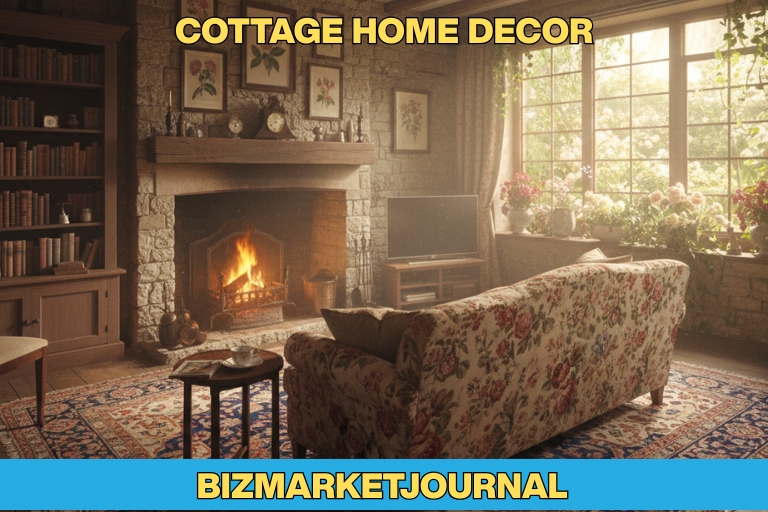
Cottage home decor is an interior design style focused on comfort, simplicity, and a lived-in aesthetic. It emphasizes soft colors, natural materials, and vintage or handcrafted elements. The goal of cottage home decor is to create warm, inviting spaces that feel relaxed rather than formal or polished.
This style is commonly associated with cozy cottage interiors that prioritize function, visual softness, and everyday usability. Cottage home decor avoids sharp contrasts and modern finishes, favoring subtle textures and familiar forms instead.
Origins and Historical Influence
Cottage home decor originates from rural European cottages, particularly in England and France. These homes were decorated using locally available materials and practical furnishings. Over time, this necessity-based approach evolved into a recognizable cottage interior design style.
Traditional cottage decor reflects agricultural living, small spaces, and handmade craftsmanship. Many modern interpretations still follow these foundations while adapting them for contemporary homes.
Core Philosophy of the Cottage Style
The philosophy behind cottage home decor centers on comfort and authenticity. Interiors are designed to feel welcoming, not styled for display. Visual imperfections, such as distressed wood or aged finishes, are considered part of the charm.
Key principles include:
- Comfort over formality
- Practical furniture with decorative value
- Natural light and soft visual flow
- A balance between function and decoration
Key Elements That Define Cottage Home Decor
Cottage home decor is defined by a consistent set of visual and material choices. These elements work together to create a cohesive environment rather than stand-alone decorative pieces.
Defining characteristics include:
- Light, muted, or pastel color palettes
- Natural materials like wood, linen, cotton, and wicker
- Vintage or traditional furniture styles
- Floral patterns and subtle prints
- Soft textures and layered textiles
These features appear across rooms, from cottage living room decor to cottage bedroom decor and cottage kitchen decor.

Summary
Cottage home decor is a cozy interior design style rooted in rural living. It uses soft colors, natural materials, and vintage-inspired furnishings to create warm, comfortable spaces. The style prioritizes simplicity, function, and a welcoming atmosphere over modern minimalism.
Also Read: Coastal Home Decor: Style Guide, Colors, Furniture & Ideas
Key Takeaways
- Cottage home decor focuses on comfort, warmth, and simplicity
- The style has historical roots in rural European homes
- Natural materials and soft colors are essential elements
- Visual imperfections are intentional and valued
Key Characteristics of Cottage Home Decor
Color Palettes Used in Cottage Home Decor
Cottage home decor relies on soft, calming color palettes that enhance natural light and visual comfort. These colors are typically muted rather than bold, helping spaces feel open and relaxed. Bright or high-contrast tones are rarely used in traditional cottage interiors.
Common color choices include:
- White and off-white shades
- Soft pastels such as sage green, powder blue, and blush
- Warm neutrals like cream, beige, and light gray
These palettes are consistent across cozy cottage interiors and support a unified, harmonious look.
Materials and Textures
Natural materials are a defining feature of cottage home decor. They add warmth, texture, and authenticity to interior spaces. Synthetic or glossy finishes are generally minimized to maintain a soft, lived-in appearance.
Frequently used materials include:
- Solid or painted wood
- Linen and cotton fabrics
- Wicker, rattan, and cane
- Ceramic and stone accents
Layering textures is essential in cottage interior design, helping rooms feel comfortable without appearing cluttered.

Furniture Styles and Finishes
Furniture in cottage home decor is practical, comfortable, and visually soft. Pieces often feature traditional shapes with subtle detailing rather than sharp or modern lines. Distressed or weathered finishes are common and align with the style’s emphasis on natural aging.
Typical furniture characteristics:
- Wooden tables and cabinets with worn finishes
- Upholstered seating with soft cushions
- Vintage or antique-inspired designs
- Functional furniture suited for daily use
These features apply across cottage living room decor, cottage bedroom decor, and cottage kitchen decor.
Decorative Accents and Details
Decorative elements in cottage home decor are understated and purposeful. Accessories are used to enhance comfort and personality, not to dominate the space. Handmade and vintage items are often preferred over mass-produced decor.
Common decorative accents include:
- Floral or subtle patterned textiles
- Ceramic vases and pitchers
- Framed botanical or landscape prints
- Soft lighting with fabric shades
These details contribute to the overall warmth and charm associated with rustic cottage decor and vintage cottage decor.
Summary
Key characteristics of cottage home decor include soft color palettes, natural materials, comfortable furniture, and subtle decorative accents. Together, these elements create inviting interiors that feel relaxed, functional, and visually cohesive.
Key Takeaways
- Cottage home decor uses muted, light color schemes
- Natural materials and layered textures are essential
- Furniture prioritizes comfort and traditional forms
- Decorative accents are simple and purposeful

Cottage Home Decor vs Similar Styles
Cottage Home Decor vs Farmhouse Decor
Cottage home decor and farmhouse decor are often confused, but they differ in tone and execution. Cottage home decor focuses on softness, comfort, and decorative detail, while farmhouse decor emphasizes structure, practicality, and rustic simplicity.
Key differences include:
- Cottage home decor uses lighter colors and delicate patterns
- Farmhouse decor favors stronger contrasts and industrial elements
- Cottage interiors feel decorative and cozy
- Farmhouse spaces appear more utilitarian and structured
Cottage style decor is typically more layered and visually gentle compared to the cleaner lines of farmhouse decor.
Cottage Home Decor vs Shabby Chic
Shabby chic is closely related to cottage home decor but is more stylized. While both styles use vintage elements and soft colors, shabby chic leans heavily into distressed finishes and ornate detailing.
Distinct differences:
- Cottage home decor maintains balance and restraint
- Shabby chic often features heavy distressing and decorative excess
- Cottage interiors prioritize comfort and function
- Shabby chic focuses more on visual styling
In cottage interior design, wear and aging appear natural rather than intentionally exaggerated.
Cottage Home Decor vs Rustic Decor
Rustic decor emphasizes raw materials and rugged textures, while cottage home decor softens these elements. Rustic interiors often feel heavier and darker compared to cozy cottage interiors.
Key contrasts include:
- Cottage home decor uses lighter woods and softer finishes
- Rustic decor favors raw, unfinished materials
- Cottage spaces feel airy and welcoming
- Rustic interiors appear bold and earthy
Rustic cottage decor exists as a hybrid, combining softness with natural textures.
Comparison Table: Cottage Home Decor and Related Styles
| Feature | Cottage Home Decor | Farmhouse Decor | Shabby Chic | Rustic Decor |
| Color palette | Soft, light, muted | Neutral with contrast | Pastel, white-heavy | Dark, earthy |
| Furniture | Comfortable, traditional | Sturdy, functional | Ornate, vintage | Heavy, solid |
| Overall feel | Cozy and decorative | Practical and clean | Romantic and styled | Bold and natural |

Summary
Cottage home decor is defined by softness, comfort, and decorative balance. Unlike farmhouse, shabby chic, or rustic decor, it avoids extremes and focuses on creating relaxed, livable interiors with subtle charm.
Key Takeaways
- Cottage home decor is softer than farmhouse and rustic styles
- It is less ornate than shabby chic
- Comfort and balance define cottage interior design
- Light colors and natural textures are consistent elements
Room-by-Room Cottage Home Decor Ideas
Cottage Living Room Decor
Cottage living room decor focuses on comfort and visual warmth. Seating is soft and inviting, often upholstered in natural fabrics. Layouts encourage relaxation rather than formal arrangement, supporting everyday use.
Common elements include:
- Comfortable sofas with cotton or linen covers
- Wooden coffee tables with aged finishes
- Soft area rugs for texture and warmth
- Neutral walls paired with subtle patterns
This approach reflects the core values of cottage home decor while keeping the space functional.
Cottage Bedroom Decor
Cottage bedroom decor emphasizes calmness and simplicity. The goal is to create a restful environment using gentle colors and layered textiles. Furniture remains practical, avoiding unnecessary ornamentation.
Typical features include:
- Wooden or painted bed frames
- Light bedding with floral or soft patterns
- Bedside tables with traditional shapes
- Warm, diffused lighting
These elements align with both traditional cottage decor and modern cottage decor adaptations.
Cottage Kitchen Decor
Cottage kitchen decor balances functionality with charm. Kitchens often feature open shelving and classic cabinetry. Decorative details are subtle and integrated into everyday use.
Common characteristics:
- Painted cabinets in light or muted tones
- Wooden countertops or accents
- Open shelves displaying ceramic dishware
- Simple hardware with vintage influence
Cottage home decor in kitchens favors practicality while maintaining visual softness.
Cottage Bathroom Decor
Cottage bathroom decor uses natural textures and minimal ornamentation. The focus remains on comfort and cleanliness, with decorative elements enhancing rather than dominating the space.
Frequently used elements include:
- Neutral wall colors
- Wooden or wicker storage
- Ceramic sinks or accessories
- Soft textiles such as cotton towels
These features contribute to cozy cottage interiors without overcrowding small spaces.
Summary
Cottage home decor adapts easily to every room. Living rooms focus on comfort, bedrooms on relaxation, kitchens on practical charm, and bathrooms on simplicity. Consistency in materials and colors ensures a cohesive cottage interior design.
Key Takeaways
- Each room applies cottage home decor principles differently
- Comfort and functionality remain priorities
- Natural materials unify the entire home
- Subtle decorative details enhance warmth
Traditional vs Modern Cottage Home Decor
Traditional Cottage Home Decor Features
Traditional cottage home decor reflects its rural origins and historical influences. It emphasizes handcrafted details, classic furniture forms, and time-worn materials. Interiors are layered gradually, creating a sense of warmth and familiarity rather than visual precision.
Key features include:
- Antique or vintage furniture pieces
- Floral fabrics and subtle patterns
- Painted or distressed wood finishes
- Decorative accessories with historical character
Traditional cottage decor often appears collected over time, reinforcing authenticity and comfort.
Modern Cottage Home Decor Adaptations
Modern cottage home decor simplifies traditional elements to suit contemporary living. While the core principles remain, visual clutter is reduced, and layouts feel more open. Materials are still natural, but finishes appear cleaner and lighter.
Common modern adaptations include:
- Neutral or monochromatic color schemes
- Minimal decorative layering
- Streamlined furniture with classic influence
- Blended vintage and modern elements
This approach allows cottage interior design to work in newer homes and apartments.
How to Blend Cottage Decor with Contemporary Homes
Cottage home decor can be integrated into modern spaces without losing its identity. The key is balance. Traditional textures and materials should complement modern layouts rather than compete with them.
Practical blending tips:
- Use cottage-style textiles on modern furniture
- Introduce wooden or vintage accents selectively
- Maintain open layouts with soft visual flow
- Avoid excessive ornamentation
These methods help modern cottage decor remain functional and visually consistent.
Comparison Table: Traditional vs Modern Cottage Home Decor
| Feature | Traditional Cottage Decor | Modern Cottage Decor |
| Color palette | Pastels and warm neutrals | Soft neutrals and whites |
| Furniture | Vintage and antique | Simplified traditional forms |
| Decorative layering | Rich and collected | Minimal and curated |
| Overall feel | Classic and cozy | Light and contemporary |
Summary
Traditional cottage home decor emphasizes history and layered charm, while modern cottage decor refines these elements for contemporary spaces. Both styles prioritize comfort, natural materials, and visual softness.
Key Takeaways
- Traditional cottage decor reflects historical influence
- Modern cottage decor simplifies and streamlines the style
- Balance is essential when blending with modern interiors
- Core cottage principles remain consistent
Common Mistakes in Cottage Home Decor
Overdecorating Small Spaces
One of the most frequent mistakes in cottage home decor is overcrowding small rooms with furniture or decorative items. While layering and textures are central to the style, excessive pieces can make spaces feel cluttered rather than cozy.
Tips to avoid overdecorating:
- Limit furniture to essential pieces
- Choose multi-functional items (e.g., storage ottomans)
- Use decorative accents sparingly
Maintaining balance ensures a welcoming and visually open environment.
Confusing Cottage with Farmhouse or Shabby Chic
Many homeowners mistake cottage home decor for farmhouse or shabby chic styles. Each has unique characteristics: cottage emphasizes softness and lived-in charm, farmhouse prioritizes rustic functionality, and shabby chic focuses on exaggerated vintage aesthetics.
Avoid confusion by remembering:
- Cottage = cozy, soft, and understated
- Farmhouse = practical, structured, rustic
- Shabby chic = ornate, heavily distressed, romantic
Clear understanding prevents mismatched elements that disrupt visual harmony.
Ignoring Practical Comfort
Another common error is prioritizing style over comfort. Cottage home decor should feel lived-in and functional. Overly delicate furniture, impractical fabrics, or decorative-only items can reduce usability and contradict the style’s philosophy.
Best practices:
- Use durable textiles like cotton and linen
- Select furniture that supports daily use
- Blend aesthetics with practicality
This ensures the space feels authentic and welcoming.
Summary
Cottage home decor mistakes often involve overdecorating, style confusion, or ignoring comfort. Staying mindful of balance, clarity, and functionality helps maintain the style’s core appeal.
Key Takeaways
- Don’t overcrowd small spaces with furniture or decor
- Know the distinctions between cottage, farmhouse, and shabby chic
- Prioritize practical comfort alongside visual charm
- Balanced, functional design preserves the cozy atmosphere
How to Start Decorating in Cottage Style
Step-by-Step Cottage Decor Approach
Starting with cottage home decor requires a structured approach to ensure balance and cohesion. The following steps provide a clear roadmap for decorating any space:
- Define Your Color Palette
- Choose soft, muted tones such as whites, creams, pastels, and light neutrals
- Ensure consistency across rooms for a cohesive cottage interior design
- Select Key Furniture Pieces
- Focus on functional, comfortable furniture
- Use traditional or vintage-inspired designs
- Prioritize wooden materials with soft finishes
- Layer Textures and Fabrics
- Combine linens, cottons, and light wool for softness
- Introduce subtle patterns like florals or stripes
- Use rugs, throws, and cushions to create depth
- Add Decorative Accents Thoughtfully
- Incorporate vintage or handmade items
- Avoid clutter—each piece should add warmth or function
- Consider ceramic vases, botanical prints, and soft lighting
- Balance Practicality and Charm
- Ensure spaces remain usable and comfortable
- Blend aesthetic appeal with everyday functionality
This approach helps achieve a warm, inviting, and authentic cottage aesthetic without overwhelming the space.
Budget-Friendly Cottage Decor Tips
Cottage home decor can be adapted to any budget. Strategic choices allow for charm and authenticity without high costs:
- Thrift and Vintage Finds: Hunt for second-hand furniture or decor items for a natural cottage feel
- DIY Decor: Simple projects like painted wooden shelves or hand-sewn cushions add personality
- Neutral Base, Accent Details: Invest in essential furniture first, then layer affordable textiles and decorative items
- Repurpose Existing Items: Refinish old furniture or use linens creatively to emulate cottage style
These tips make cottage decor accessible, practical, and personal.
Summary
To begin decorating in cottage style, define a soft color palette, select functional furniture, layer textures, and add carefully chosen accents. Blend comfort with charm, and use budget-friendly strategies to achieve authentic cottage interiors.
Key Takeaways
- Start with soft colors and cohesive palettes
- Prioritize comfortable, functional furniture
- Layer textures and fabrics for warmth
- Add decorative accents sparingly for charm
- Use thrift, DIY, and repurposing to stay budget-conscious
Conclusion
Cottage home decor is a timeless interior style that combines comfort, natural materials, and understated charm. From soft color palettes and vintage-inspired furniture to layered textures and thoughtful accents, the style creates warm, inviting spaces suitable for any room. Whether choosing traditional elements or modern adaptations, the key is balance, practicality, and authenticity. By understanding the defining characteristics and avoiding common mistakes, anyone can transform a home into a cozy, harmonious cottage retreat.
FAQs: Cottage Home Decor
1. What is cottage home decor?
Cottage home decor is an interior design style focused on comfort, simplicity, and warmth. It uses muted colors, natural materials, vintage or handcrafted furniture, and subtle decorative details to create cozy, inviting spaces.
2. How is cottage decor different from farmhouse decor?
Cottage decor emphasizes softness, warmth, and decorative charm, while farmhouse decor prioritizes rustic practicality and structure. Cottage interiors feel more layered and visually gentle compared to the utilitarian farmhouse style.
3. Can cottage decor work in modern homes?
Yes. Modern cottage decor blends traditional textures and materials with contemporary layouts. Streamlined furniture, minimal layering, and neutral palettes help integrate cottage style into modern interiors.
4. What colors are used in cottage home decor?
Soft, muted tones dominate cottage decor, including whites, creams, pastels like sage green and powder blue, and warm neutrals such as beige or light gray. These colors enhance light and create a calming atmosphere.
5. What furniture suits cottage-style interiors?
Comfortable, functional furniture with traditional or vintage-inspired designs is ideal. Wooden pieces with soft finishes, upholstered seating in natural fabrics, and antique or distressed items complement the cottage aesthetic.
6. Is cottage decor suitable for small spaces?
Yes, but overdecorating should be avoided. Focus on essential furniture, soft color palettes, and minimal decorative layers to maintain openness and a cozy feel.
7. What are common mistakes in cottage home decor?
Common errors include overdecorating, confusing cottage with farmhouse or shabby chic, and prioritizing style over comfort. Maintaining balance, functional furniture, and subtle decorative accents avoids these pitfalls.