
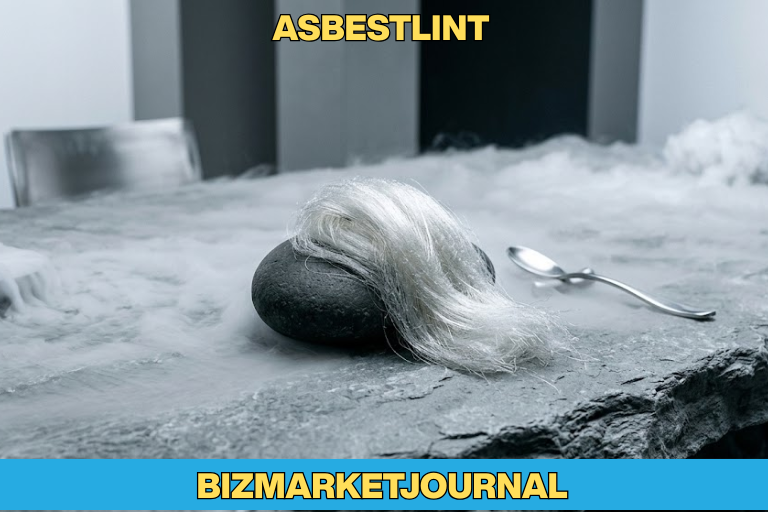
Asbestlint is a form of asbestos fiber that is extremely fine and lightweight, often appearing as dust or lint. It is primarily generated during the deterioration or mechanical processing of asbestos-containing materials. Due to its microscopic size, asbestlint can easily become airborne and pose significant health risks if inhaled.
Composition and Characteristics:
- Comprised mainly of asbestos fibers, including chrysotile, amosite, or crocidolite.
- Fibers are microscopic, lightweight, and easily inhalable.
- Can accumulate in air ducts, insulation, or old construction materials.
How it Differs from General Asbestos:
- Unlike bulk asbestos, asbestlint is more likely to disperse in the air.
- Higher potential for inhalation even in small quantities.
- Requires specialized handling and removal procedures.
Summary :
- Definition: Asbestlint is fine, airborne asbestos dust posing inhalation hazards.
- Key Risk: Easily dispersed, high potential for respiratory exposure.
- Origin: Generated from deteriorating or processed asbestos materials.
Key Takeaways:
- Asbestlint is highly hazardous due to its fine, airborne fibers.
- Understanding its composition is critical for safe handling and mitigation.
- Distinct from general asbestos in behavior and risk profile.
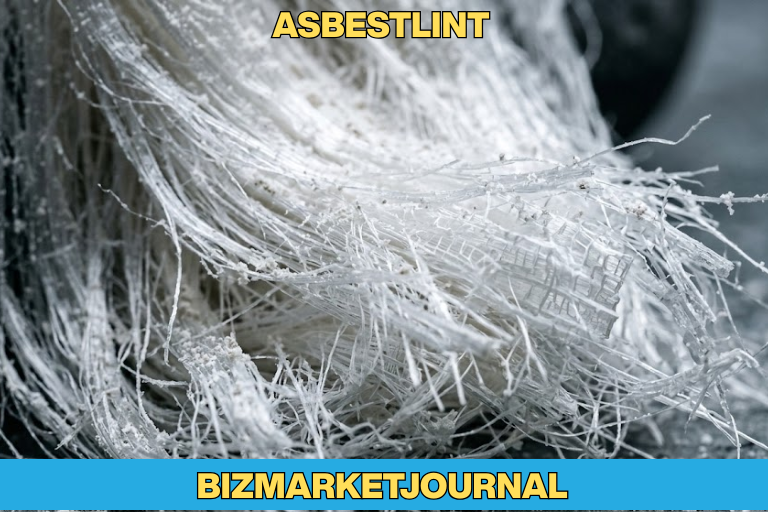
Sources and Types of Asbestlint
Asbestlint can originate from both industrial and residential environments, depending on the age and type of asbestos-containing materials. Identifying the source is crucial for effective safety measures.
Industrial Sources:
- Manufacturing Facilities: Plants producing insulation, roofing, or cement products may release asbestlint during processing.
- Construction Sites: Demolition or renovation of asbestos-containing buildings can generate airborne fibers.
- Shipyards and Factories: Older ships and industrial equipment often contain asbestos insulation that deteriorates into asbestlint.
Residential Sources:
- Old Homes: Asbestos in ceiling tiles, floor tiles, insulation, and pipe wrapping can break down into fine lint.
- Attics and Basements: Poorly maintained insulation materials often release microscopic fibers.
- DIY Renovation: Cutting or sanding asbestos-containing materials at home can produce asbestlint.
Types of Asbestlint:
- Chrysotile Lint: White asbestos fibers, most common, moderately hazardous.
- Amosite Lint: Brown asbestos fibers, highly resistant and more dangerous.
- Crocidolite Lint: Blue asbestos fibers, rare but extremely hazardous.
Summary :
- Industrial Sources: Factories, shipyards, construction sites.
- Residential Sources: Old insulation, tiles, DIY renovations.
- Types: Chrysotile, Amosite, Crocidolite lint – each with varying hazards.
Key Takeaways:
- Asbestlint can be found in both industrial and residential environments.
- Different types of fibers carry different levels of risk.
- Identifying sources is essential for prevention and safe removal.
Health Risks of Asbestlint Exposure
Exposure to asbestlint is extremely hazardous due to its microscopic fibers, which can easily be inhaled and lodge in the lungs, causing both short-term and long-term health issues.
Short-Term Exposure Effects:
- Irritation of the eyes, nose, and throat
- Coughing and shortness of breath
- Temporary respiratory discomfort in sensitive individuals
Long-Term Health Consequences:
- Asbestosis: Scarring of lung tissue leading to chronic breathing difficulties
- Lung Cancer: Increased risk, particularly in individuals with prolonged exposure
- Mesothelioma: Rare but aggressive cancer affecting the lining of lungs or abdomen
- Other Respiratory Disorders: Chronic bronchitis and reduced lung function
At-Risk Populations:
- Workers in industrial or construction environments
- Residents of older buildings with deteriorating asbestos materials
- DIY renovators handling asbestos-containing products without proper protection
Summary :
- Short-Term Effects: Irritation, coughing, and minor respiratory discomfort
- Long-Term Risks: Asbestosis, lung cancer, mesothelioma
- High-Risk Groups: Industrial workers, residents of old buildings, DIY renovators
Key Takeaways:
- Inhalation of asbestlint can have severe health consequences.
- Chronic exposure significantly increases the risk of life-threatening diseases.
- Proper protective measures and awareness are essential to prevent exposure.
Legal Regulations and Safety Standards
Exposure to asbestlint is strictly regulated due to its severe health risks. International organizations, such as World Health Organization (WHO), classify all asbestos fibers as carcinogenic and provide global safety recommendations.
International Guidelines:
- WHO (World Health Organization): Classifies all forms of asbestos, including asbestlint, as carcinogenic.
- ISO Standards: Provide guidelines for measuring asbestos fiber concentration and workplace safety.
National/Local Regulations:
- OSHA (Occupational Safety and Health Administration, US): Sets permissible exposure limits (PELs) for asbestos in the workplace and requires protective measures.
- EU Regulations: EU directives enforce safe handling, removal, and disposal of asbestos-containing materials.
- Local Laws: Many countries have strict guidelines on asbestos removal, reporting, and certification requirements.
Safety Measures Required by Law:
- Mandatory use of personal protective equipment (PPE) such as respirators and protective clothing
- Proper labeling and containment of asbestos-containing materials
- Certified training for professionals handling asbestos or asbestlint
Summary :
- International Standards: WHO, ISO provide global guidance on asbestos safety.
- National Regulations: OSHA (US), EU directives, and local laws regulate handling and exposure.
- Mandatory Safety: PPE, containment, and certified training required.
Key Takeaways:
- Compliance with regulations ensures safe handling of asbestlint.
- International and national guidelines protect workers and residents from exposure.
- Awareness of local laws is essential before any removal or renovation work.
How to Handle and Remove Asbestlint Safely
Proper handling and removal of asbestlint are critical to prevent health hazards. Only trained personnel should attempt removal, following strict safety protocols.
Step-by-Step Removal Process:
- Assessment: Identify areas containing asbestlint and evaluate the risk level.
- Preparation: Seal the area with plastic sheeting and use warning signs to prevent access.
- Protective Equipment: Wear respirators rated for asbestos, disposable coveralls, gloves, and eye protection.
- Wet Methods: Dampen surfaces with a fine mist to prevent fibers from becoming airborne.
- Careful Removal: Use hand tools rather than power tools to minimize dust generation.
- Containment and Disposal: Place removed material in sealed, labeled containers; dispose of at certified asbestos waste facilities.
- Decontamination: Clean tools, PPE, and work area thoroughly. Shower and change clothes after removal.
Protective Equipment and Tools:
- HEPA-filter respirators
- Disposable gloves and coveralls
- Wetting sprays or fine mist water bottles
- Sealed containment bags or boxes
Summary :
- Preparation: Seal and secure work area
- Removal: Wet methods, manual handling, and containment
- Protection: PPE and decontamination are mandatory
Key Takeaways:
- Safe removal of asbestlint requires careful planning and specialized equipment.
- Following step-by-step procedures minimizes exposure risks.
- Only certified personnel should handle large-scale asbestos removal projects.
Alternatives and Mitigation Strategies
Reducing exposure to asbestlint can be achieved by using safer alternatives and implementing effective mitigation strategies.
Safer Material Alternatives:
- Fiberglass Insulation: Non-toxic, lightweight, and easy to handle.
- Cellulose Insulation: Made from recycled paper, safe and environmentally friendly.
- Mineral Wool: Heat-resistant insulation without asbestos fibers.
For readers interested in safe and efficient alternatives in industrial or residential applications, see our detailed guide on Candizi: 7 Powerful Benefits & Uses You Must Know.
Mitigation Strategies for Existing Asbestlint:
- Encapsulation: Applying a sealant to asbestos-containing materials to prevent fiber release.
- Enclosure: Constructing barriers around asbestos-containing areas to limit exposure.
- Regular Monitoring: Conduct air quality testing to ensure fiber levels remain below permissible limits.
- Professional Removal: For high-risk areas or damaged materials, hire certified asbestos removal experts.
Summary :
- Alternatives: Fiberglass, cellulose, and mineral wool as safe substitutes.
- Mitigation: Encapsulation, enclosure, monitoring, and professional removal.
- Goal: Minimize exposure and maintain safety in affected areas.
Key Takeaways:
- Using alternatives can completely avoid asbestlint exposure.
- Mitigation strategies are essential when complete removal isn’t feasible.
- Professional handling ensures compliance with safety standards and legal regulations.
Common Mistakes and Misconceptions About Asbestlint
Many people underestimate the hazards of asbestlint, which can lead to unsafe practices and increased exposure risks.
Common Mistakes:
- Ignoring Proper PPE: Handling asbestlint without respirators, gloves, or protective clothing.
- Improper Containment: Failing to seal or isolate areas during removal, allowing fibers to spread.
- DIY Removal: Attempting large-scale removal without certification or training.
- Neglecting Monitoring: Skipping air quality tests or ignoring safety inspections.
Misconceptions:
- “Asbestlint is harmless if only a little is present” – Even small amounts can cause severe health issues over time.
- “Encapsulation makes it completely safe” – Encapsulation reduces risk but doesn’t eliminate fibers.
- “Only industrial workers are at risk” – Residents of older homes and DIY renovators are also exposed.
Summary :
- Avoid Mistakes: Always use PPE, containment, and monitoring.
- Debunk Misconceptions: Small amounts still pose a risk; all users must follow safety measures.
Key Takeaways:
- Awareness of mistakes and misconceptions is crucial for safety.
- Proper handling and professional support drastically reduce exposure risks.
- Misjudging asbestlint hazards can lead to serious long-term health consequences.
Conclusion
Asbestlint is a highly hazardous form of asbestos that requires careful handling due to its microscopic fibers and serious health risks. Compliance with legal regulations, proper use of protective equipment, and professional removal or mitigation strategies are essential. Awareness of sources, health impacts, and safe alternatives empowers users to minimize exposure and protect both themselves and others.
FAQs
- What is asbestlint?
Asbestlint is fine, airborne asbestos fibers generated from deteriorating or processed asbestos-containing materials, posing significant health risks when inhaled. - Is asbestlint dangerous?
Yes. Even small amounts can cause serious diseases like asbestosis, lung cancer, and mesothelioma over prolonged exposure. - How do you safely remove asbestlint?
Removal requires professional handling, PPE, wet methods to minimize airborne fibers, proper containment, and certified disposal. - What regulations govern asbestlint?
International (WHO, ISO), national (OSHA, EU directives), and local regulations set exposure limits and safety procedures for handling asbestlint. - Can asbestlint be found in homes?
Yes. Older buildings with asbestos insulation, tiles, or pipe wrapping can generate asbestlint, especially during renovation or deterioration. - What protective equipment is needed?
Respirators rated for asbestos, disposable coveralls, gloves, eye protection, and proper decontamination protocols are required. - Are there safe alternatives to asbestos?
Yes. Materials like fiberglass, cellulose, and mineral wool offer insulation and durability without the health hazards of asbestlint.